How to Transplant Texas mountain laurel?
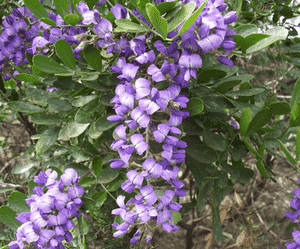
Relocate texas mountain laurel during late spring or early summer to leverage the peak growing period. Select a location that receives ample sunlight and has soil that drains effectively. When moving an established texas mountain laurel, guarantee very little disruption to its root system for optimal results.
What Preparations are Needed Before Transplanting Texas Mountain Laurel?
What is the Ideal Time for Transplanting Texas Mountain Laurel?
The best time for moving texas mountain laurel is during the transition from late spring to early summer. This period offers mild weather, allowing texas mountain laurel's roots to settle comfortably in their new spot, supported by warmth and longer daylight hours. Creating a favorable environment during this season encourages strong growth and resilience, setting texas mountain laurel up for success. Choose this time to transplant texas mountain laurel, as moderate temperatures and stable weather aid recovery and minimize plant stress.
How Much Space Should You Leave Between Texas Mountain Laurel Plants?
When relocating texas mountain laurel, ensure ample room for development. Aim for a 4-5 feet (1.2-1.5 meters) gap between plants. This spacing promotes healthy growing conditions and simplifies future care for novice gardeners.
What is the Best Soil Mix for Texas Mountain Laurel Transplanting?
The perfect soil for texas mountain laurel is well-draining and slightly acidic. A sandy or gravelly base combined with a moderate amount of organic material creates the ideal ground. Boost initial growth by adding a balanced fertilizer before transplanting.
Where Should You Relocate Your Texas Mountain Laurel?
Texas mountain laurel thrives in sunlight! Select a garden spot where it will receive full sun or partial shade. Beginners often find that a sunny location makes the cultivation process a bit easier and more enjoyable.
What Equipments Should You Prepare Before Transplantation Texas Mountain Laurel?
Gardening Gloves
To shield your hands from injuries while handling soil and the plant.
Shovel or Spade
Used for loosening the soil to facilitate easy removal and relocation of the texas mountain laurel plant.
Garden Hose or Watering Can
For moistening the ground to simplify removal and transplanting. Also, for hydrating the plant after its move.
Pruning Shears
To trim any damaged or unhealthy roots both before and after transplanting.
Wheelbarrow, Tarp, or Bucket
To transport the texas mountain laurel plant from its original spot to the new one cleanly and efficiently.
How Do You Remove Texas Mountain Laurel from the Soil?
How Do You Remove Texas Mountain Laurel from the Soil?
From Ground: First, water the texas mountain laurel plant to make the surrounding soil damp and easier to excavate. Next, dig a wide trench around the plant using a shovel, leaving ample space to keep the root ball intact. Carefully work the spade beneath the root ball to lift the plant. Be sure to avoid any root damage during digging.From Pot: Begin by watering the texas mountain laurel plant to loosen the soil. Gently lay the plant on its side and tap around the pot's edges to help it slide out. Exercise caution to prevent damage to the root ball.Seedling Tray: Initially, water the tray to dampen the soil. Then, carefully lift the texas mountain laurel plant's seedling without disturbing nearby seedlings. Handle them gently as they are young and easily harmed.
Step-by-Step Guide for Transplanting Texas Mountain Laurel
Digging the New Hole
Excavate a hole in the new location, twice the size of the texas mountain laurel's root ball. This provides sufficient room for the roots to spread and grow.
Placing the Plant
Gently position the texas mountain laurel in the center of the hole. Ensure the plant is at the same depth as it was previously. Too deep can cause root rot, while too shallow can dry out the roots.
Backfilling
Refill the hole with the original soil. Lightly compact the soil around the base of the texas mountain laurel to keep it upright and reduce air pockets. Avoid over-compacting, as this can hinder water from reaching the roots.
Watering
Thoroughly water the plant after planting. This ensures the soil is moist and helps the texas mountain laurel establish itself in its new spot.
Trimming
Using pruning shears, remove any unhealthy or damaged parts of the plant to encourage healthier growth post-transplant.
How Do You Care For Texas Mountain Laurel After Transplanting?
Mulching
Apply a layer of mulch around the base of the texas mountain laurel to help retain soil moisture and shield the roots from extreme temperatures.
Checking the Plant
Regularly inspect for signs of stress or disease. Yellowing leaves or slow growth may indicate an issue with the transplanting process. Seek advice if uncertain.
Pruning
Regular trimming will help texas mountain laurel maintain its size and shape. However, do not prune immediately after transplanting; allow the plant time to acclimate first.
Troubleshooting Common Issues with Texas Mountain Laurel Transplantation.
When is the best time to transplant texas mountain laurel?
The optimal period to transplant texas mountain laurel is from late summer to early fall. This allows the plant to establish itself better before winter.
What's the ideal distance between texas mountain laurel during planting?
Maintain a 4-5 feet (1.2 - 1.5 meters) gap between each texas mountain laurel plant. This provides ample space for them to grow and flourish.
How should I prepare the soil before transplanting texas mountain laurel?
Thoroughly loosen the soil to about 10 inches (25 cm) deep. Incorporating compost or well-rotted manure can significantly enhance soil fertility.
Should I water texas mountain laurel immediately after transplanting?
Yes, texas mountain laurel plants should be watered right after transplanting to settle the soil and minimize transplant shock.
What precautions should I take while removing texas mountain laurel for transplanting?
Be careful not to harm the root ball when digging up texas mountain laurel for transplanting. Disturbing the roots could lead to transplant stress.
Is it necessary to stake texas mountain laurel after transplanting?
Yes, staking texas mountain laurel after transplanting helps keep the plant upright and prevents it from bending or breaking due to wind or its own weight.
Can I transplant texas mountain laurel in rainy season?
Transplanting texas mountain laurel during the rainy season is not ideal. Excessive moisture can cause root rot and other complications for the plant.
Do texas mountain laurel need full sun or partial shade?
Texas mountain laurel plants perform well in both full sun and partial shade. However, they tend to produce more blooms when grown in full sun.
How long should I wait before fertilizing texas mountain laurel after transplanting?
Wait approximately 4-6 weeks after transplanting texas mountain laurel before fertilizing. This gives the plant sufficient time to establish in its new location.
What should I do if the leaves of texas mountain laurel turn yellow after transplanting?
Yellow leaves might indicate overwatering or shock. Adjust watering frequency and ensure proper drainage. If the issue persists, seek expert advice.



