How to Transplant Perennial sowthistle?
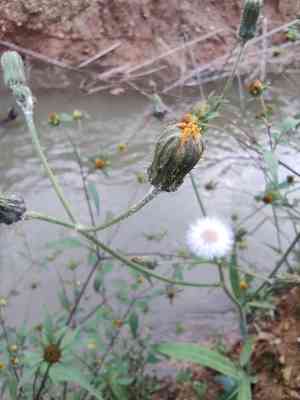
To ensure a flourishing perennial sowthistle, relocate it during the mild temperatures of late spring or the pleasant conditions of mid-to-late autumn. Select a sunny location with effective drainage, and if necessary, incorporate organic material to enhance its growth.
What Preparations are Needed Before Transplanting Perennial Sowthistle?
What is the Ideal Time for Transplanting Perennial Sowthistle?
The prime periods for relocating perennial sowthistle are as spring transitions into summer's warmth and when autumn moves into its cooler, later stage. This timing allows perennial sowthistle to develop roots in mild soil conditions, utilizing moderate temperatures for optimal development. By selecting these windows, you ensure perennial sowthistle avoids stress from midsummer heat or winter's cold, promoting successful establishment and vigorous growth.
How Much Space Should You Leave Between Perennial Sowthistle Plants?
For your lovely perennial sowthistle, you'll want to provide ample room for growth! Position them approximately 12-15 inches (30-38 cm) apart. This grants each perennial sowthistle sufficient area to expand without competing for nutrients or sunlight.
What is the Best Soil Mix for Perennial Sowthistle Transplanting?
Prior to planting your perennial sowthistle, incorporate some well-rotted compost into your garden soil. Aim for a rich, well-draining medium. Adding a balanced, slow-release fertilizer will give your perennial sowthistles an excellent start!
Where Should You Relocate Your Perennial Sowthistle?
Perennial sowthistle thrives in a sunny location! Select a spot where they can receive at least 6 hours of direct sunlight daily. Partial shade is acceptable, but ensure they get their sun exposure to flourish.
What Equipments Should You Prepare Before Transplantation Perennial Sowthistle?
Gardening Gloves
To safeguard your hands while handling soil and plants.
Shovel or Spade
For excavating the plant and preparing the new planting site.
Garden Fork
To loosen the soil surrounding the plant's root system.
Watering Can or Hose
To hydrate the plant before and after its relocation.
Measuring Tape
To ensure proper spacing between transplanted perennial sowthistle plants.
Wheelbarrow
To transport the perennial sowthistle plant and soil.
Pruning Shears
To trim any damaged roots or foliage prior to transplanting.
How Do You Remove Perennial Sowthistle from the Soil?
How Do You Remove Perennial Sowthistle from the Soil?
From Ground: Moisten the perennial sowthistle's soil. Dig a wide circle around the plant with a shovel or spade, then use a garden fork to loosen the soil and gently lift the root ball. From Pot: Turn the pot sideways, tap the base, and carefully ease the perennial sowthistle out while supporting the plant with your other hand. From Seedling Tray: Use a spoon or small tool to carefully extract the perennial sowthistle seedling without disturbing its roots. Support the root ball to prevent breakage.
Step-by-Step Guide for Transplanting Perennial Sowthistle
Preparation
Gather all necessary tools and prepare a wheelbarrow or container to hold the perennial sowthistle during transport.
Root Ball Handling
Avoid rough handling of the perennial sowthistle's root ball to minimize stress and damage to the roots.
Excavating
Dig a hole at the new site wide enough to comfortably accommodate the root ball.
Placement
Position the perennial sowthistle in the center of the hole at the same depth it was previously growing.
Refilling
Gently backfill the hole with soil around the perennial sowthistle, lightly tamping down to eliminate air pockets.
Watering
Thoroughly water the perennial sowthistle immediately after transplanting to settle the soil and hydrate the roots.
Mulching
Apply mulch around the base of the perennial sowthistle, ensuring it doesn't touch the stem, to retain moisture and inhibit weed growth.
How Do You Care For Perennial Sowthistle After Transplanting?
Regular Watering
Keep the soil around the perennial sowthistle consistently moist but not waterlogged for the initial weeks following transplant.
Mulch Replenishment
Periodically check and refresh the mulch layer to maintain moisture levels and deter weeds.
Observation
Regularly monitor the perennial sowthistle for indications of stress such as wilting or discoloration, adjusting care as necessary.
Pruning
Trim away any dead or damaged foliage to encourage new growth and maintain plant vitality.
Troubleshooting Common Issues with Perennial Sowthistle Transplantation.
Why is my perennial sowthistle wilting after transplanting?
Wilting can occur if roots were damaged during transplanting. Ensure gentle root handling and adequate watering post-transplant.
How often should perennial sowthistle be watered post-transplant?
Maintain consistently moist but not soggy soil for the first few weeks. Water deeply once or twice weekly, depending on weather.
What's the best time of year to transplant perennial sowthistle?
Transplant during 'gentle warmth to the brink of summer, or the embrace of fall' to promote root establishment without extreme weather stress.
How much space do I leave between transplanted perennial sowthistle?
Give each plant room to flourish by spacing them about a foot to a foot and a half apart (12-15 inches or 30-38 cm).
Should I amend the soil when transplanting perennial sowthistle?
Yes, enriching the planting hole with organic matter such as compost helps perennial sowthistle establish more effectively.
Can I transplant perennial sowthistle on a hot day?
It's best to transplant on a cooler, overcast day or in the late afternoon to reduce transplant shock.
What signs indicate perennial sowthistle is ready for transplant?
Look for a healthy root system and stable growth. Avoid transplanting during flowering or when the plant is under stress.
How deep should the planting hole be for perennial sowthistle?
The hole should be as deep as the root ball and twice its width to encourage roots to grow outward.
What should I do if perennial sowthistle shows signs of transplant shock?
Provide shade, keep the soil moist, and avoid fertilizing until it shows signs of recovery, such as new growth.
Can I use mulch after transplanting perennial sowthistle?
Yes, mulching helps retain moisture, regulate soil temperature, and reduce weed competition. Apply a 2-3 inch (5-7.5 cm) layer around, but not touching, the stems.



