How to Transplant Goldenrod?
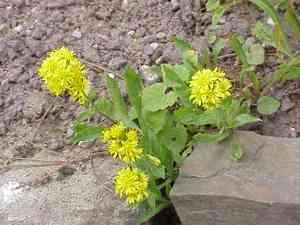
The ideal period for relocating goldenrod is after the last freeze but before the intense warmth of summer sets in. Select a bright spot with soil that drains effectively. If needed, enrich the soil to offer the most favorable beginning for goldenrod's root system.
Necessary Preparations Before Relocating Goldenrod?
Optimal Period for Goldenrod Relocation?
The perfect time for moving goldenrod spans from the refreshing warmth of early spring through the vibrant days of late spring. This timing aids its establishment, fostering strong root development prior to summer's heat. Mild spring temperatures and increasing daylight encourage goldenrod's root growth. Shifting goldenrod during this window aligns with its natural life cycle, ensuring a smooth transition and a thriving display.
Required Spacing Between Goldenrod Plants?
Greetings, fellow gardener! Before moving goldenrod, let's ensure ample room for growth. Position them approximately 18-24 inches (45-60 cm) apart. This provides each plant sufficient space to expand and showcase its beauty!
Ideal Soil Blend for Goldenrod Relocation?
To provide your goldenrod with the best start, incorporate organic compost into well-draining soil. They prefer a location with some nourishment! Add a balanced slow-release fertilizer to welcome them to their new home.
Recommended Location for Your Goldenrod?
Your goldenrod thrives in sunlight! Select a site where it can receive full sun for most of the day. This sunny spot will enhance its golden hue and help your goldenrod flourish.
Equipment Needed Before Relocating Goldenrod?
Gardening Gloves
To safeguard your hands while handling soil and plants.
Hand Trowel
For excavating and moving smaller goldenrod plants.
Shovel or Garden Spade
To extract the plant and prepare a new planting site.
Watering Can
To hydrate the plant before and after its transfer.
Mulch
To retain moisture post-transplantation.
Root Pruning Shears
For trimming dead or excessively long root structures.
Method for Extracting Goldenrod from Soil?
Method for Extracting Goldenrod from Soil?
From Ground: Begin by irrigating the goldenrod plant to facilitate soil manipulation. Dig a wide circle around the plant using a shovel or spade, aiming to preserve as much of the root ball as possible. Gently slide the shovel beneath the root ball and carefully lift the plant from the soil.From Pot: Hydrate the plant to simplify its removal. Turn the pot on its side, grasp the plant at its base, and tap the pot's bottom to dislodge the plant. Carefully pull the plant out while supporting the root ball with your other hand.From Seedling Tray: Moisten the soil to minimize root damage. Using a hand trowel or spoon, carefully dig around the seedling to include its roots and soil clump. Lift the plant gently by its leaves or the soil clump surrounding its roots.
Step-by-Step Guide for Relocating Goldenrod
Preparation
Ensure all necessary tools are at hand and thoroughly water the goldenrod plant prior to commencing the relocation process.
Removing goldenrod
Based on the goldenrod's original placement, utilize the appropriate method described above to gently extract your plant with its root ball intact.
Digging New Hole
Excavate a hole in the ground that is twice the width of the goldenrod's root ball and of equal depth. Verify the plant's positioning and adjust the hole's depth if required.
Placing goldenrod
Position the plant in the new hole, ensuring it sits at the same level as its previous growth. This helps prevent root stress and transplant shock.
Filling the Hole
Carefully backfill the planting hole with soil, gently tamping down around the root ball to eliminate air pockets.
Watering
Immediately water the goldenrod after relocation to settle the soil and provide moisture for its roots.
Mulching
Apply a layer of mulch around the base of goldenrod to conserve moisture and regulate soil temperature.
Post-Relocation Care for Goldenrod?
Stabilization
Employ supports if needed to keep goldenrod stable during windy conditions or while the plant is still establishing.
Regular Watering
Maintain consistent watering, particularly during the initial weeks, to ensure the roots establish in their new location.
Monitoring
Observe the plant for indications of transplant shock, such as wilting or discolored leaves, and respond accordingly.
Pruning
Remove any damaged or dead leaves and stems to encourage healthy new growth.
Resolving Common Issues with Goldenrod Relocation.
When is the optimal time to move goldenrod?
The best period to relocate goldenrod is when temperatures are moderate, specifically from early to late spring.
What spacing is recommended for goldenrod during relocation?
Allow each goldenrod approximately 18-24 inches (45-60 cm) of space to ensure sufficient room for growth.
Is soil preparation necessary before moving goldenrod?
Absolutely! Enrich the soil with compost and ensure good drainage to give goldenrod a strong start.
How should I water goldenrod after relocation?
Water the goldenrod thoroughly to settle the soil around its roots, then maintain consistent moisture without over-saturating.
What if goldenrod wilts after relocation?
Wilting can occur; ensure it's adequately watered and shielded from intense sunlight while it establishes its roots.
Can goldenrod be moved in the autumn?
Relocating in autumn is feasible, but spring is preferable as it allows goldenrod more time to establish before winter.
What depth should the hole be for moving goldenrod?
Dig a hole twice as wide as the root ball and equally deep, so goldenrod's crown is level with the soil surface.
What indicates goldenrod has outgrown its current spot?
If goldenrod appears overcrowded, with reduced flowering or a dying center, it's time for relocation.
How should I handle the roots when moving goldenrod?
Gently loosen the root ball and trim any damaged roots to promote healthy growth after relocating goldenrod.
Does goldenrod require pruning before relocation?
Trimming back some of the upper growth can lessen stress and help goldenrod prioritize root establishment.



