How to Transplant Seaside goldenrod?
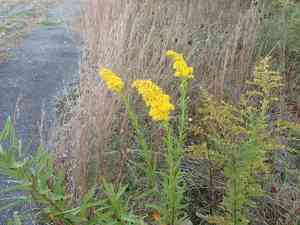
For vigorous development, relocate seaside goldenrod during the period spanning late spring's warmth and early summer's arrival. Place it in a brightly lit spot with soil that drains effectively; this coastal plant flourishes despite challenges, benefiting from periodic support to enhance its firmness.
What Preparations are Necessary Before Relocating Seaside Goldenrod?
What is the Optimal Period for Moving Seaside Goldenrod?
The ideal time for relocating seaside goldenrod falls within the pleasant days of late May through June. This interval, characterized by gentle warmth, allows roots to establish in their new location without the strain of harsh weather. Providing seaside goldenrod with this precise timing not only promotes robust development but also guarantees a profusion of blossoms. Moderate temperatures combined with the start of the growing season offer the perfect environment for seaside goldenrod to flourish, embodying a warm, coastal embrace in your garden.
How Much Clearance Should You Provide Between Seaside Goldenrod Plants?
When rehousing your seaside goldenrod, remember they appreciate ample personal space. Position them approximately 18-24 inches (45-60 cm) apart. This distance allows them sufficient room to expand and thrive without competing for nutrients or sunlight.
What is the Best Soil Mixture for Seaside Goldenrod Relocation?
For seaside goldenrod, a successful life begins with the correct base. Aim for soil that drains well and enhance it with a balanced, slow-release fertilizer. This creates a nourishing bed that will help your seaside goldenrod prosper and display their vibrant blooms.
Where Should You Replant Your Seaside Goldenrod?
Grant your seaside goldenrod a sun-drenched spot in your garden where they can absorb full sunlight for most of the day. They are light-lovers, and placing them in a bright location encourages vigorous growth and a spectacular floral exhibition.
What Tools Should You Prepare Before Transplanting Seaside Goldenrod?
Gardening Gloves
To safeguard your hands while handling soil and the plant.
Shovel or Spade
To excavate the plant and prepare the new planting site.
Gardening Trowel
For more precise digging and managing small quantities of soil.
Watering Can or Hose
To gently and thoroughly hydrate the plant before and after its move.
Wheelbarrow
To transport the plant and soil to and from the new planting location.
Pruning Shears
To trim any damaged roots or foliage prior to transplanting.
Mulch
To aid in retaining moisture in the soil around seaside goldenrod following its relocation.
Measuring Tape
To ensure appropriate spacing between plants in the landscape.
How Do You Extract Seaside Goldenrod from the Soil?
How Do You Extract Seaside Goldenrod from the Soil?
From Ground: First, water the seaside goldenrod plant to moisten the soil and lessen transplant shock. Use a shovel or spade to dig a wide circle around the plant, leaving ample room to avoid cutting into the root system. Carefully slide the spade beneath the root ball, gently prying it up to lift the plant from its spot.From Pot: Begin by watering the seaside goldenrod plant to ensure the soil is damp. Turn the pot on its side and gently tap the bottom to loosen the plant. Support the plant by its base and slowly slide it out of the pot, being careful not to pull harshly on the stems and leaves.From Seedling Tray: Moisten the soil to facilitate the smoother removal of the seaside goldenrod seedlings. Use a gardening trowel or a small stick to lift each seedling from its cell, taking care to handle the seedlings by their leaves rather than their delicate stems.
Step-by-Step Guide for Relocating Seaside Goldenrod
Prepare New Site
Ensure the new location has been cleared of weeds and debris. With a shovel or spade, dig a hole that is twice as wide and equally deep as the root ball of seaside goldenrod.
Inspect the Roots
Gently remove any dead or broken roots using pruning shears. If the roots are densely packed, carefully separate them to encourage outward growth.
Plant Positioning
Place seaside goldenrod in the center of the hole so it sits at the same level it was previously growing. Ensure it is straight and upright.
Backfill the Hole
Gradually fill the hole with soil, lightly tamping down around seaside goldenrod to eliminate air pockets and ensure firm soil contact with roots.
Water Thoroughly
Once seaside goldenrod is planted, water it gently but deeply to saturate the roots and help the soil settle.
Apply Mulch
Apply a layer of mulch around the base of seaside goldenrod, keeping it a few inches away from the stem, to retain moisture and regulate soil temperature.
How Do You Care For Seaside Goldenrod After Relocation?
Initial Watering
Water seaside goldenrod generously after planting and maintain consistent moisture levels, without overwatering, for the subsequent weeks.
Monitoring Growth
Check on seaside goldenrod regularly to observe its adaptation to the new environment and growth progress.
Support Structures
If needed, add stakes or other support to keep seaside goldenrod upright and protected from strong winds.
Pruning Start pruning
Seaside goldenrod only after it has adjusted to its new surroundings and begins active growth, removing only the essential or dead parts.
Mulch Refreshing
Keep the mulch layer fresh and intact to conserve water and suppress weeds that might compete with seaside goldenrod.
Troubleshooting Common Issues with Seaside Goldenrod Relocation.
When is the optimal time to move seaside goldenrod?
Choose the ideal period of late spring to early summer, ensuring a favorable beginning for seaside goldenrod.
How much room does seaside goldenrod require when relocating?
Each seaside goldenrod needs ample space, so position them about 18-24 inches (45-60 cm) apart for sufficient growth.
Why are my relocated seaside goldenrod wilting?
Wilting might be due to shock. Maintain moist soil and provide shade for a few days post-transplant to aid their recovery.
Should I trim seaside goldenrod before relocating?
Light trimming can help reduce stress on seaside goldenrod. Snip just enough to balance root loss but conserve energy.
What's the correct depth for relocating seaside goldenrod?
Dig a hole as deep as the root ball and twice as wide to ensure roots have space to establish.
Can I move seaside goldenrod on a hot day?
It's best to avoid extreme temperatures. Select a cooler, overcast day to minimize transplant stress on seaside goldenrod.
How do I water seaside goldenrod after relocating?
Give seaside goldenrod a thorough drink after planting and keep the soil consistently moist for the initial few weeks.
What type of soil is best for relocating seaside goldenrod?
Well-draining soil enriched with compost will supply the nutrients seaside goldenrod needs to thrive post-transplant.
How do I know if seaside goldenrod is receiving enough light after relocating?
If seaside goldenrod appears leggy or weak, it may require more sunlight. Aim for a spot with abundant daily sun exposure.
What should I do if my seaside goldenrod isn't growing after relocating?
Patience is crucial. Ensure you're meeting all care requirements; if there's still no progress, consult a local gardening expert for advice.



