How to Transplant Prairie goldenrod?
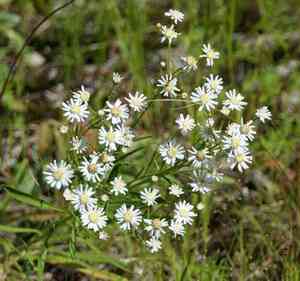
For prairie goldenrod, the ideal window for relocation is from the close of spring to the middle of summer, as this is when root systems most effectively take hold. Select a bright area featuring soil that drains efficiently. Should it be required, enhance the site with compost to foster robust development.
What Preparations are Needed Before Transplanting Prairie Goldenrod?
What is the Ideal Time for Transplanting Prairie Goldenrod?
Moving prairie goldenrod is best done from the mild days of late spring through the flourishing period of mid-summer. This timeframe supports strong root development prior to winter dormancy, ensuring a robust beginning. Transplanting during this window aligns with prairie goldenrod's growth cycle, maximizing successful adaptation and flowering potential. A helpful hint - leverage this natural growth surge to provide your prairie goldenrod with the optimal new home!
How Much Space Should You Leave Between Prairie Goldenrod Plants?
Prior to relocating prairie goldenrod, allocate ample room for each plant to thrive. Aim for a spacing of 15-18 inches (38-46 cm) between them. This allows your prairie goldenrod sufficient area to expand and grow without competing for nutrients or sunlight.
What is the Best Soil Mix for Prairie Goldenrod Transplanting?
Prepare a suitable bed for your prairie goldenrod by selecting soil that drains effectively. Incorporate a foundational fertilizer with a balanced nutrient profile to give them a strong start. Consider it a nourishing meal for your plants!
Where Should You Relocate Your Prairie Goldenrod?
Locate a sunny spot in your garden where prairie goldenrod can enjoy full sun exposure. They thrive on abundant light! Ensure it receives at least 6 hours of direct sunlight daily to guarantee a healthy and vigorous plant.
What Equipments Should You Prepare Before Transplantation Prairie Goldenrod?
Gardening Gloves
To safeguard your hands while handling soil and the plant.
Trowel or Spade
For excavating and shifting earth during the relocation process.
Watering Can or Hose
To hydrate the plant before and after its move.
Wheelbarrow or Garden Cart
To transport the plant and soil, especially if it's a larger specimen.
Pruning Shears
For trimming any dead or superfluous parts of the plant before transplanting.
Organic Mulch
To aid in retaining soil moisture and moderating temperature post-transplant.
Measuring Tape
To determine the appropriate planting distance and depth for prairie goldenrod.
Plant Support Stakes
To keep prairie goldenrod upright and stable in its new spot, if needed.
How Do You Remove Prairie Goldenrod from the Soil?
How Do You Remove Prairie Goldenrod from the Soil?
From Ground: First, moisten the prairie goldenrod plant to dampen the surrounding soil. Next, excavate a wide trench around the plant using a shovel or spade, ensuring the plant's root ball remains intact. Carefully work the spade beneath the root ball to lift the plant from its original position.From Pot: Turn the container on its side, gently hold the plant at its base, and tap the bottom to loosen it. Support the plant by the root ball and tilt the pot away. Carefully slide the plant out to prevent root damage.From Seedling Tray: Water the tray to make the soil pliable, which will facilitate easy removal. Use a trowel or your fingers to gently lift each individual prairie goldenrod plant from its cell, being careful not to pull on the plant but rather ease it out by the root ball.
Step-by-Step Guide for Transplanting Prairie Goldenrod
Preparation
Before attempting to relocate, thoroughly water the prairie goldenrod so the soil adheres to the roots, minimizing transplant shock.
Digging the New Hole
Excavate a hole in the chosen site that is twice as wide and equally as deep as the prairie goldenrod's root ball.
Placing the Plant
Carefully position the prairie goldenrod in the center of the new hole, ensuring it is planted at the same depth as its previous growing location.
Refilling the Hole
Gradually backfill the hole with soil, gently firming it around the prairie goldenrod's root ball.
Watering
Water the newly transplanted prairie goldenrod generously to settle the soil and hydrate its roots.
Mulching
Apply a layer of organic mulch around the base of prairie goldenrod, leaving some space around the stem to prevent rot.
Supporting the Plant
If the prairie goldenrod exhibits a tall growth habit, insert plant stakes into the ground and loosely tie the plant to the stakes with garden twine.
How Do You Care For Prairie Goldenrod After Transplanting?
Monitoring
Observe the prairie goldenrod over the subsequent days and weeks for indications of transplant shock, such as wilting or discolored leaves.
Ongoing Watering
Provide consistent moisture during the initial growing season until prairie goldenrod is well established.
Pruning
Trim away any dead or damaged stems and foliage to encourage vigorous new growth in prairie goldenrod.
Stake Adjustment
Adjust or remove supports as the prairie goldenrod develops to ensure they remain effective and do not harm the plant.
Troubleshooting Common Issues with Prairie Goldenrod Transplantation.
Why is my prairie goldenrod wilting after transplanting?
Wilting can occur if prairie goldenrod experiences transplant shock. Ensure it's well-watered post-transplant and initially shielded from intense sunlight.
How deep should I plant prairie goldenrod?
Plant prairie goldenrod at the same depth it was in its previous container or location, preserving its root structure integrity.
What's the ideal way to space prairie goldenrod when transplanting?
Allow prairie goldenrod ample room to flourish by spacing them 15-18 inches (38-45 cm) apart, ensuring proper airflow and growth.
What time of year is best for transplanting prairie goldenrod?
Relocate prairie goldenrod during the mild warmth of late spring to mid-summer to promote proper root establishment.
My prairie goldenrod looks droopy post-transplant, what should I do?
Droopiness can signal transplant stress. Keep the soil moist (but not waterlogged) and it should recover over time.
How often should I water prairie goldenrod after transplanting?
Water prairie goldenrod generously immediately after transplanting, then maintain consistent moisture without overwatering, especially during its first growing season.
What soil type is best for transplanting prairie goldenrod?
For prairie goldenrod, well-draining soil rich in organic matter is optimal. It will provide the necessary nutrients and moisture retention for healthy growth.
Should I fertilize prairie goldenrod after transplanting?
It's not essential to fertilize prairie goldenrod right after transplanting. Wait until it's established and shows signs of new growth.
Can I transplant prairie goldenrod on a hot, sunny day?
Transplant prairie goldenrod on an overcast day or in the evening to minimize transplant shock and prevent excessive moisture loss.
Why are my prairie goldenrod leaves turning yellow after transplanting?
Yellow leaves might indicate overwatering or inadequate drainage. Ensure the soil is moist but well-draining, and adjust watering as needed.



