How to Transplant Early goldenrod?
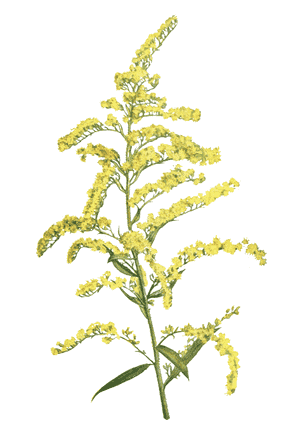
The optimal period for relocating early goldenrod is during its spring revival, precisely from mid-spring through late spring, when the ground is warm and damp, facilitating strong root development. Select a location that receives full sun to partial shade and has soil that drains effectively. A gardener's careful attention can help early goldenrod flourish; contemplate incorporating organic material into the soil if its natural fertility is lacking.
Preparations Required Before Relocating Early Goldenrod
Optimal Timing for Early Goldenrod Relocation?
The best time to move early goldenrod is at the onset of spring's warmth, when its growth is most vigorous. This timing allows early goldenrod to establish robust roots prior to the peak summer heat.
Recommended Spacing Between Early Goldenrod Plants?
When moving early goldenrod, consistency is crucial! An ideal distance of 1-2 feet (30.5-61 cm) between each plant is recommended. This provides ample room for each plant to develop and bloom without competing for resources. Maintain uniformity, keep it tidy, and observe your garden thrive!
Best Soil Mixture for Early Goldenrod Relocation?
For early goldenrod, select well-draining soil enriched with organic matter for optimal outcomes. Incorporate a foundational fertilizer like compost or aged manure to provide a nutritious start. Remember, a nutrient-rich and well-drained base is fundamental for a healthy plant.
Where to Replant Your Early Goldenrod?
Early goldenrod thrives in sunlight! Choose a spot with full sun exposure for the best development. No sunny location available? No problem - early goldenrod also tolerates partial shade. Rotate plants to ensure all receive their share of sunny delight.
Equipment Needed Before Relocating Early Goldenrod?
Gardening Gloves
These are vital for protecting your hands while handling soil and plants.
Hand Trowel
This small gardening tool is useful for excavating holes and shifting minor quantities of soil.
Shovel or Spade
Either of these will be necessary for digging larger holes or moving the plant if it's already in the ground.
Watering Can
You'll need this for hydrating the early goldenrod before and after its relocation.
Gardening Fork
Such a tool can be beneficial for loosening soil and roots prior to transplanting.
Planting Stakes
These are required to support early goldenrod and guide its growth after transplantation.
How to Extract Early Goldenrod from the Soil?
How to Extract Early Goldenrod from the Soil?
From Ground: First, water the early goldenrod plant until the surrounding soil is damp. This helps preserve the root structure when digging it up. Use a spade to carefully dig around the plant, ensuring the root ball remains intact. Pry the spade beneath the root ball and gently lift the plant.From Pot: If the early goldenrod is in a container, begin by watering the plant. Tilt the pot sideways and try rotating it slightly. This usually loosens the soil, making it easier to slide the plant out. Ensure the root ball does not disintegrate during this process.From Seedling Tray: Water the seedlings thoroughly before transplanting. With your fingers or a small implement, gently push up from the bottom of the tray to remove the seedling and its soil. Keep the root and soil intact, if feasible.
Step-by-Step Guide for Relocating Early Goldenrod
Preparation
Begin by digging a hole twice as wide and nearly as deep as the root ball of your early goldenrod plant. Once completed, refill some loose soil back into the hole to ensure good root contact.
Transplanting
Position the early goldenrod into the hole. Ensure the plant is placed so that its crown is level with or slightly below the ground. Fill the hole with soil and firm it around the plant's base.
Watering
Water the early goldenrod plant generously after relocation. This will settle the soil around the roots and aid the plant in recovering from the shock of transplantation.
Staking
Depending on the early goldenrod variety and the soil's softness, the plant may require staking to ensure it grows upright.
Post-Transplantation Care for Early Goldenrod
Watering
Ensure the early goldenrod plant receives regular watering, keeping the soil moist but not waterlogged. Excessive watering can lead to root rot, while insufficient watering can hinder the plant's establishment.
Pruning
It's important to trim the early goldenrod for shape and development. Consistent, careful pruning can help your early goldenrod grow healthier and more robust.
Support
Continue to monitor the support stakes and adjust them as needed as the early goldenrod grows and alters its form.
Protection
Depending on your local wildlife, you might need to safeguard the early goldenrod from pests. Regularly check for signs of infestation and take appropriate action.
Resolving Common Issues with Early Goldenrod Relocation.
What is the optimal season to relocate early goldenrod?
The best time to move early goldenrod is during late spring to mid-summer (S2-S3). This guarantees ideal growth conditions for the plant.
What is the recommended spacing for early goldenrod during relocation?
To provide early goldenrod ample room for growth, maintain a distance of approximately 1-2 feet (30-60 cm) between each plant during transplantation.
What should be the soil condition when relocating early goldenrod?
Early goldenrod prefers well-drained soil rich in organic matter. Ensure the pH level is slightly acidic to neutral before planting.
How deep should the hole be when relocating early goldenrod?
Excavate a hole twice as wide and equal in depth to the root ball of early goldenrod. This is typically about 10 inches (25 cm).
Is immediate watering necessary for early goldenrod after relocation?
Yes, watering early goldenrod immediately after transplanting is crucial as it helps settle the soil around the roots and minimizes transplantation shock.
Should I trim early goldenrod before relocating?
Pruning is not essential when relocating early goldenrod, but you can remove any diseased or damaged leaves to encourage healthier growth.
How should I handle early goldenrod during relocation to prevent root damage?
Handle early goldenrod by its root ball, not by the stems or leaves, as this minimizes potential harm to the plant during the transplanting process.
Is it necessary to add fertilizer when relocating early goldenrod?
Fertilizers are not compulsory when relocating early goldenrod. However, incorporating slow-release granular fertilizer into the soil before planting can stimulate growth.
What sunlight requirements does early goldenrod have for successful relocation?
Early goldenrod thrives in full sun to partial shade. Approximately 6-8 hours of direct sunlight per day would be ideal for this plant.
What should I do if early goldenrod wilts after relocation?
Do not be alarmed. It's normal for early goldenrod to wilt due to transplant shock. Ensure it is adequately watered and observe it for a week.



