How to Transplant Giant goldenrod?
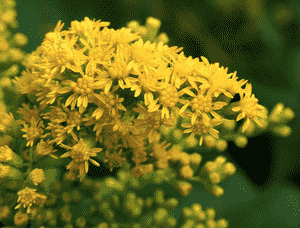
The most favorable period for relocating giant goldenrod is in the warmer seasons, providing sufficient heat for root development. Ideally, choose a location with permeable soil and exposure to partial or full sun. During the transfer of giant goldenrod, preserve the integrity of the soil around the roots to facilitate adaptation.
What Preparations are Needed Before Transplanting Giant Goldenrod?
What is the Ideal Time for Transplanting Giant Goldenrod?
The period from late winter to early spring is perfect for relocating giant goldenrod. During this time, the mild temperatures and moist soil provide an excellent setting for the plant's roots to establish without the stress of summer heat. Moving giant goldenrod then allows its roots to settle gradually, leading to robust spring growth. This timing also prevents the risk of summer drought, giving giant goldenrod a strong start. A spring transplant for giant goldenrod aligns with nature's rejuvenation, setting the stage for vigorous growth and abundant blooms.
How Much Space Should You Leave Between Giant Goldenrod Plants?
You'll need to provide ample room for your giant goldenrod to expand. Aim for a spacing of approximately 2-4 feet (about 0.6 to 1.2 meters) between each plant. This will help prevent competition for resources, leading to healthier plants over time.
What is the Best Soil Mix for Giant Goldenrod Transplanting?
Prepare your garden with soil that drains well, enriched with a light application of balanced organic or slow-release fertilizer. Clay or sandy loam is optimal for giant goldenrod. Incorporate compost to enhance soil fertility, ensuring vigorous growth.
Where Should You Relocate Your Giant Goldenrod?
Locate the sunniest spot in your garden, as giant goldenrod thrives on ample sunlight! They require full sun exposure for at least six hours daily. This bright location will help the giant goldenrod develop strong and beautiful.
What Equipments Should You Prepare Before Transplantation Giant Goldenrod?
Shovel or Spade
These tools are used for excavating the hole in the ground where the giant goldenrod will be moved, and for extracting the plant from its original spot.
Gardening Gloves
To safeguard your hands while handling soil and the plant. You'll be managing the plant's root system, which can be delicate.
Watering Can or Garden Hose
After relocating the giant goldenrod, you'll need to provide it with a thorough watering to help it settle into its new environment.
Gardening Fork
Useful for aerating the soil in the new planting site, allowing roots to penetrate more easily.
Wheelbarrow (Optional)
If the plant is large, a wheelbarrow could be convenient for moving it without causing damage.
How Do You Remove Giant Goldenrod from the Soil?
How Do You Remove Giant Goldenrod from the Soil?
From Ground: First, hydrate the giant goldenrod plant to moisten the soil. This facilitates easier removal without harming the root system. Then, carefully dig a wide trench around the plant using your shovel or spade, ensuring the plant's root ball remains intact. Work the spade beneath the root ball to lift the plant from its initial location.From Pot: Gently tilt the pot sideways, supporting the plant with your other hand. Carefully slide it out, taking care not to damage the root ball. If it's stuck, you might need to tap the bottom of the pot to loosen the soil.From a Seedling Tray: Gently compress the base of each cell or use a specialized seedling plug to ease the root ball out. Always try to handle seedlings by their leaves, never by their stems.
Step-by-Step Guide for Transplanting Giant Goldenrod
Hole Preparation
Excavate a hole that is twice the width and the same depth as the giant goldenrod's root ball. The plant should sit at the same soil level as it did in its previous spot.
Root Preparation
Loosen the roots before placing it in the hole. If they are tightly bound, gently separate them with your fingers.
Placing the Plant
Position the giant goldenrod into the hole, spreading its roots outwards. Adjust the plant until it is at the same level it was growing before.
Backfilling Soil
Refill the hole with the native soil, pressing it firmly but gently around the plant roots to eliminate air pockets, which can lead to root desiccation or harm.
Watering
After backfilling, thoroughly water the plant, enough to saturate the entire root zone.
How Do You Care For Giant Goldenrod After Transplanting?
Watering
Maintain consistent moisture in the soil around the giant goldenrod, but avoid waterlogging, for the initial few weeks post-transplant. This aids in the development of strong roots.
Weekly Checkups
Dedicate some time each week to inspect your giant goldenrod for indications of transplant shock. This might include wilting leaves or a yellowing and browning of foliage. Early detection makes treatment simpler and more effective.
Pest Control
Monitor the giant goldenrod for pests or diseases. If any are observed, employ the appropriate organic or chemical pest management method.
Pruning
Depending on the plant, you might need to prune your giant goldenrod after transplanting to help it conserve energy while it establishes its root system in the new location.
Troubleshooting Common Issues with Giant Goldenrod Transplantation.
When is the ideal time to transplant giant goldenrod?
The most suitable period for relocating giant goldenrod is from late spring to early summer (S4-S6). This ensures the plant establishes well before winter.
What is the preferred spacing for giant goldenrod when transplanting?
The optimal distance to maintain between giant goldenrod plants is 2-4 feet (0.6-1.2 meters). This encourages healthy growth and prevents overcrowding.
Do I need to water giant goldenrod immediately after transplanting?
Absolutely! Watering giant goldenrod generously after transplantation is crucial. It helps to settle the soil and replenish moisture lost during the process.
How much sunlight does the transplanted giant goldenrod require?
Giant goldenrod thrives in full sun to partial shade. However, excessive heat can stress the plant. A balance of direct and indirect light is ideal.
What type of soil is best for transplanting giant goldenrod?
Giant goldenrod prefers well-draining soil. It can flourish in various soil types, from sandy to clay, provided they have good drainage.
Can giant goldenrod be transplanted in a container?
Yes, giant goldenrod can be relocated to a large container. Just ensure it has sufficient depth and width to support the plant's growth.
How deep should the hole be when transplanting giant goldenrod?
The hole should be twice the width of the root ball and deep enough to completely cover the roots when planting giant goldenrod.
Should I prune giant goldenrod before or after transplanting it?
Pruning giant goldenrod prior to transplanting can be beneficial. By trimming back some foliage, you reduce the plant's energy demands, allowing it to focus on root development.
Can giant goldenrod be transplanted close to other plants?
Maintaining an appropriate spacing of 2-4 feet (0.6-1.2 meters) will ensure giant goldenrod does not compete with nearby plants for nutrients, light, and water.
What kind of aftercare is required once giant goldenrod is transplanted?
Giant goldenrod needs proper watering, pest monitoring, and occasional fertilization after transplantation. Regularly check its growth and intervene if you notice any issues.



