How to Transplant Potato?
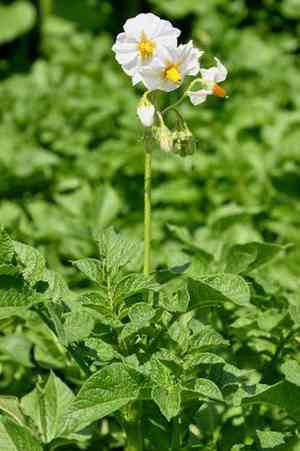
For potato, the most suitable period for transplanting is from mid-spring through early summer, as this timeframe provides prime cultivation circumstances. Select a bright spot with soil that drains effectively for the transplanting process. Ensure regular watering and allow ample room for the tubers to expand.
What Preparations are Necessary Before Relocating Potato?
What is the Optimal Period for Relocating Potato?
The best time for potato relocation is from mid-spring to early summer. This timeframe guarantees proper root establishment and encourages robust development. Moving potato during this period maximizes harvest potential, leading to an abundant yield.
How Much Distance Should You Maintain Between Potato Plants?
When relocating potato, it's crucial to provide ample room for growth. Allow approximately 12-15 inches (30-38 cm) between each plant, enabling them to flourish and produce healthy tubers.
What is the Ideal Soil Mixture for Potato Relocation?
For potato, well-drained, loamy soil with a slightly acidic pH (around 6.0) will offer the perfect growing environment. Incorporating organic compost or a balanced base fertilizer will also enrich the soil.
Where Should You Replant Your Potato?
Select a sunny location in your garden for relocating potato, as they demand full sunlight for optimal development. Ensure the area receives at least 6 hours of direct sunlight daily for the best outcomes.
What Tools Should You Prepare Before Relocating Potato?
Gardening Gloves
To safeguard your hands while handling soil and plants.
Shovel or Spade
To excavate holes and trenches, and to lift the plant and its root ball.
Trowel
To dig smaller holes for replanting, especially when moving from pots or seedling trays.
Garden Fork
To loosen and aerate the soil prior to relocation.
Watering Can
To hydrate the plant both before and after replanting.
Compost
To amend and enrich the soil, ensuring the plant receives sufficient nutrients.
Mulch
To aid in moisture retention and regulate soil temperature post-relocation.
How Do You Extract Potato from the Soil?
How Do You Extract Potato from the Soil?
- From Ground:First, water the potato plant to moisten the soil. Next, dig a wide trench around the plant using a shovel or spade, making sure the plant's root ball remains intact. Carefully work the spade beneath the root ball to lift the plant from its original spot.- From Pot:Water the potato plant in its container before replanting. Gently tap the sides of the pot to loosen the soil and root ball. Turn the pot sideways or upside down while supporting the plant at its base, then slide the root ball out of the pot.- From Seedling Tray:Water the seedlings before removing them from the tray. Use a trowel or your fingers to gently loosen the soil around the seedlings. Carefully lift the seedlings by their leaves rather than the stems to prevent damage.
Step-by-Step Guide for Relocating Potato
Preparation
Water the potato plant thoroughly a few hours before relocation to help minimize transplant shock.
Loosening Soil
Utilize a garden fork to loosen and aerate the soil in the new planting area.
Amending Soil
Incorporate compost into the loosened soil to provide additional nutrients for the potato plant.
Digging Hole
Excavate a hole slightly larger than the potato plant's root ball using a shovel or trowel.
Placing Plant
Gently position the potato plant's root ball into the hole, ensuring it is level with the surrounding soil.
Filling Hole
Backfill around the root ball with the amended soil, gently firming it as you go to eliminate air pockets.
Watering
Water the plant thoroughly to help settle the soil and establish the roots in their new location.
Mulching
Apply a layer of mulch around the potato plant to help retain moisture and regulate soil temperature.
How Do You Care For Potato After Relocation?
Monitoring
Observe the potato plant for indications of transplant shock, such as wilting or yellowing foliage. If the plant appears stressed, ensure it receives adequate water, and shield it from harsh weather conditions if necessary.
Watering
Maintain consistent moisture around the relocated potato plant, irrigating when the soil feels dry. Be careful not to overwater, as saturated soil can lead to root rot.
Fertilizing
Apply a balanced slow-release fertilizer to the potato plant according to the package directions after it has settled in its new location, typically within 3-4 weeks post-relocation.
Pruning
Remove any damaged or diseased leaves or stems on the potato plant to encourage healthy development.
Pest Control
Regularly inspect the potato plant for signs of pests or diseases, and address any issues promptly to prevent further harm.
Troubleshooting Common Issues with Potato Relocation.
When is the optimal time to relocate potato?
The best time to relocate potato is mid-spring to early summer, ensuring suitable temperature and growing conditions.
What is the ideal spacing for potato plants?
Space potato plants 12-15 inches (30-38 cm) apart, allowing them ample room to grow and spread out.
How deep should I plant potato seedlings?
Plant potato seedlings around 3-5 inches (8-12 cm) deep, which will provide proper support and root growth.
What type of soil is best for relocating potato?
Use well-drained, fertile soil with a slightly acidic pH of 5.0-6.5 for healthy potato plant growth.
Do potato plants require a specific relocation technique?
Relocate potato using the trench method: dig a trench, place seedlings in it, then cover roots with soil.
How much sunlight do potato plants need after relocating?
Potato plants require full sun exposure, which means 6-8 hours of direct sunlight each day for healthy growth.
Do I need to harden off potato plants before relocating?
Yes, harden off potato plants by gradually exposing them to outdoor conditions for 7-10 days before relocating.
How do I water potato plants during relocation?
During relocation, water potato plants evenly, keeping the soil moist but not waterlogged to avoid root rot.
Should I fertilize potato plants during relocation?
Yes, apply a balanced fertilizer or compost during relocation to support potato plant growth and root development.
How can I prevent potato seedlings from transplant shock?
To prevent transplant shock, water potato plants thoroughly, keep soil moist, and avoid large temperature fluctuations.



