How to Transplant Turkey berry?
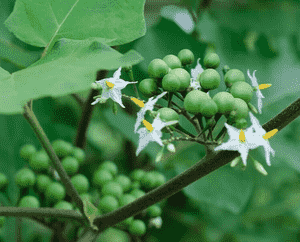
The most favorable period for relocating turkey berry spans from the middle to the end of spring, extending into the initial part of summer. This timeframe provides an ideal combination of warm ground and milder nights, facilitating root development. Select a location bathed in sunlight with soil that drains effectively, and throughout the relocation process, guarantee consistent irrigation to stimulate fresh development.
Essential Preparations Before Relocating Turkey Berry
Optimal Timing for Turkey Berry Relocation?
The best time to move turkey berry is during the calm period from mid-spring to early summer. This timeframe offers consistent warmth, encouraging strong root development and vigorous growth. Shifting turkey berry as the ground warms up enhances successful adaptation and provides ample time for plants to mature before colder weather arrives. A helpful hint: scheduling this window ensures your turkey berry gets the finest start!
Recommended Spacing Between Turkey Berry Plants?
When planting turkey berry, allow ample room between each specimen. Approximately 2-3 feet (0.6-0.9 meters) apart is ideal. This spacing guarantees sufficient sunlight and airflow, minimizing the risk of fungal diseases.
Best Soil Blend for Turkey Berry Transplanting?
Prior to planting turkey berry, prepare a loose, well-draining soil, ideally rich in organic matter. Incorporate a slow-release granular fertilizer into the soil. This preparation supplies essential nutrients to turkey berry for a healthy beginning.
Choosing a New Location for Your Turkey Berry?
Select a garden spot where turkey berry will receive ample sunlight. They thrive in sunny areas, so aim for at least 6-8 hours of direct sun daily. However, also ensure the location isn't overly exposed to strong winds.
Equipment Needed Before Transplanting Turkey Berry
Gardening Gloves
To safeguard your hands while handling soil and the turkey berry.
Shovel or Spade
For carefully excavating around and beneath the turkey berry in its original spot and preparing space in the new location.
Pruners
To trim and shape the turkey berry, if necessary, to maintain plant health and ease transport.
Watering Can or Hose
To hydrate the turkey berry during removal from its initial site and upon planting in the new spot.
Wheelbarrow or Garden Cart
To move the turkey berry from its original position to the new one with minimal plant damage and ease of movement.
Garden Fork
To loosen the soil in the new planting area, encouraging root expansion.
Tarp or Burlap
To wrap the turkey berry's root ball during transit and keep it moist.
How to Extract Turkey Berry from the Soil?
How to Extract Turkey Berry from the Soil?
From Ground: First, moisten the turkey berry's soil with water. Then, dig a wide trench around the turkey berry using a shovel or spade, ensuring the plant's root ball remains intact. Carefully work the spade under the root ball to lift the plant from its original spot. If needed, trim any unruly branches with pruners to facilitate transport.From Pot: Initially, water the turkey berry thoroughly to saturate the soil. Hold the pot sideways with your hand supporting the plant at its base. Gently shake the pot until the plant slides out. Avoid pulling or tugging to prevent root damage.From Seedling Tray: Fill a small bucket or container with water and submerge the tray. Once saturated, carefully remove the turkey berry from the seedling tray by supporting the base of the plants and roots, taking extra care not to harm the young stems.
Step-by-Step Guide for Relocating Turkey Berry
Preparation
Begin by watering the turkey berry at its current site. While it drains, prepare the new location by digging a hole twice as wide and as deep as the turkey berry's root ball using your shovel or garden spade. Loosen the soil in the hole with a garden fork.
Removal
Following the guidelines above, extract the turkey berry from its initial location. If the plant was in the ground, wrap its root ball in a damp tarp or burlap for transport.
Planting
Position the turkey berry in the pre-dug hole, ensuring the top of its root ball is level with or slightly above the ground. Adjust the soil beneath the root ball as needed. Fill in around the roots with soil, gently firming it.
Watering
Water the turkey berry generously immediately after planting and keep it well-hydrated over the subsequent weeks until new growth is observed.
Post-Transplant Care for Turkey Berry
Watering
Maintain consistent watering as the turkey berry will require more moisture in the initial weeks after transplanting to establish itself in the new location. Ensure the soil stays uniformly moist but not waterlogged.
Mulching
Apply a layer of organic mulch around the turkey berry to retain soil moisture and suppress weed growth.
Protection
Monitor for signs of pests or diseases, such as wilting leaves or stunted growth. These are more common after transplanting as the turkey berry adapts to its new environment. Treat as necessary.
Pruning
Remove any dead or damaged branches to encourage healthy development and maintain a compact form. Avoid extensive pruning until the turkey berry has fully recovered.
Resolving Common Issues with Turkey Berry Transplantation.
When is the best time to move my turkey berry for optimal growth?
The ideal period to transplant your turkey berry is during the second to fourth phase of its annual growth cycle. This allows ample time for establishment before the hotter, drier months.
How much space should I leave between each turkey berry when transplanting?
For each turkey berry, provide a 2-3 feet (60-91 cm) gap. This ensures sufficient room for robust growth and overall good health.
My turkey berry's leaves became distorted after transplanting. What could be the reason?
Distorted leaves might indicate transplant shock. Keep the soil moist but not saturated and temporarily shield the plant from direct sunlight.
Why is my transplanted turkey berry losing its green color?
This could be due to a nutrient deficiency, which can be remedied by applying a balanced fertilizer to replenish essential elements.
My turkey berry isn't blooming after transplant. What might be wrong?
It's possible the plant isn't receiving enough light. Turkey berry requires abundant sun, so consider moving it to a sunnier area.
What are the indicators of overwatering in my transplanted turkey berry?
Overwatered turkey berry may show yellowing leaves, soft or mushy roots, and a soggy base. It's crucial to provide well-drained soil and prevent it from sitting in water.
Why is the growth of my turkey berry slow after transplantation?
Slow growth could stem from transplant shock, insufficient light, or a lack of nutrients. Provide gentle care, adequate sunlight, and supplement nutrients to correct this.
Why are small white spots appearing on the leaves of my transplanted turkey berry?
White spots typically signal a fungal infection or pest infestation. Consider using natural pesticides or fungicides, and remove affected leaves.
My transplanted turkey berry is wilting despite adequate watering. What's the issue?
Wilting could be due to transplant shock or root damage. Maintain a stable environment for the plant and handle its roots gently during transplant to prevent this problem.
Why aren't the roots of my transplanted turkey berry growing sufficiently?
Inadequate root growth might result from compacted soil, nutrient deficiency, or root damage. Ensure your soil is loose, fertile, and handle its roots gently during transplant.



