How to Transplant Hoe nightshade?
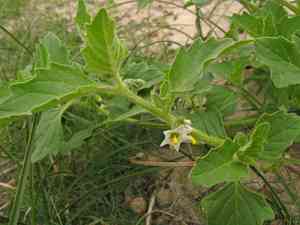
Optimal transplantation occurs from mid to late spring as the ground warms, with hoe nightshade flourishing in sun-drenched locations. Verify that the chosen area offers excellent drainage to foster vigorous development. Selecting the appropriate period greatly enhances survival rates and overall strength.
Preparations Required Before Relocating Hoe Nightshade?
Optimal Period for Transplanting Hoe Nightshade?
The prime window for moving hoe nightshade is during the tranquil hours of late morning in the spring months. This timeframe offers mild temperatures crucial for root establishment, preventing summer heat stress. Relocating hoe nightshade at this rejuvenating stage promotes vigorous development, as the gentle warmth and increasing daylight of advancing spring create perfect conditions for adaptation and vitality.
Recommended Spacing Between Hoe Nightshade Plants?
Hello, garden enthusiasts! Before settling your hoe nightshade into the garden, remember to provide ample room for growth. Position them approximately 24-36 inches (61-91 cm) apart. This will ensure each plant has sufficient space to develop robustly!
Ideal Soil Mixture for Hoe Nightshade Transplantation?
For your hoe nightshade, craft an excellent soil blend! Aim for well-draining loam or sandy soil. Enhance it with a balanced, slow-release fertilizer to encourage initial growth. Healthy soil leads to a thriving hoe nightshade!
Preferred Location for Relocating Your Hoe Nightshade?
Your hoe nightshade thrives on sunlight! Locate a bright, sunny spot where they can receive at least 6 hours of direct sunlight daily. This sun-drenched location will boost growth and help your hoe nightshade flourish. Happy planting!
Equipment to Prepare Before Transplanting Hoe Nightshade?
Gardening Gloves
To safeguard your hands when handling soil and hoe nightshade.
Shovel or Spade
For excavating the plant and moving it.
Garden Fork
To loosen the soil surrounding the plant's root system.
Watering Can or Hose
For hydrating the plant both before and after the transplant.
Pruning Shears
For trimming any damaged roots or stems if necessary.
How to Extract Hoe Nightshade from the Soil?
How to Extract Hoe Nightshade from the Soil?
From Ground: Start by watering the hoe nightshade plant to moisten the soil, facilitating easier removal. Carefully dig a circle around the plant, far enough from the base to prevent root damage. Use a shovel or spade to gently lift the soil until the root ball is free.From Pot: Thoroughly water the hoe nightshade plant before gently tapping the pot's sides to loosen the soil. Tilt the pot sideways and carefully slide the plant out, supporting the stem's base with your hand.From Seedling Tray: Water the soil to prevent root damage. With a spoon or dibber, gently pry the soil to extract the seedling. Support the seedling by its leaves rather than its delicate stem.
Step-by-Step Guide for Transplanting Hoe Nightshade
Prepare New Site
Excavate a hole in the ground slightly larger than the hoe nightshade's root ball to accommodate its development.
Inspect Roots
Before placing hoe nightshade into the new hole, examine the root ball for any circling or girdling roots and gently untangle or trim them.
Plant Positioning
Position the hoe nightshade in the center of the hole at the same depth it was previously growing. The transition will be less stressful if the environment is similar.
Soil Backfill
Carefully refill the hole with soil, gently tamping down around the hoe nightshade to eliminate air pockets and provide stability.
Watering-In
Thoroughly water the transplanted hoe nightshade to help settle the soil around the root ball and hydrate the plant.
Mulching
Apply a layer of mulch around the base of hoe nightshade to retain moisture and regulate soil temperature.
Post-Transplanting Care for Hoe Nightshade?
Stabilization
Support hoe nightshade with stakes if it exhibits signs of drooping or instability after transplanting.
Regular Watering
Irrigate the hoe nightshade consistently to maintain even soil moisture as the plant adjusts to its new location.
Monitoring Growth
Observe the hoe nightshade for indicators of stress, such as wilting or discoloration, and address them promptly.
Gradual Sun Exposure
If hoe nightshade was previously in a shadier spot, gradually acclimate it to more sun to prevent shock.
Resolving Common Issues with Hoe Nightshade Transplantation.
When is the best time to transplant hoe nightshade for vigorous growth?
Transplant hoe nightshade during mid to late spring when temperatures are moderate and the risk of frost has passed.
What spacing should I maintain between hoe nightshade plants when transplanting?
Allow 24-36 inches (61-91 cm) between plants to ensure ample space for growth and airflow.
What action should I take if hoe nightshade's leaves wilt after transplanting?
Frequent but gentle watering is crucial. Ensure soil is moist but not waterlogged to aid hoe nightshade's recovery.
How deep should I plant hoe nightshade's root ball in the soil?
The root ball should be planted at the same depth as it was in the original container.
Is it advisable to transplant hoe nightshade on a hot, sunny day?
It's best to transplant hoe nightshade on a cloudy day or in the evening to reduce transplant shock.
Why are my transplanted hoe nightshade plants drooping?
Drooping typically results from transplant shock. Minimize it by transplanting swiftly and watering thoroughly after planting.
How do I prepare the soil before transplanting hoe nightshade?
Enrich the soil with compost and ensure it's well-draining to provide a nourishing environment for hoe nightshade.
Should I fertilize hoe nightshade immediately after transplanting?
Wait 2-4 weeks before applying a balanced fertilizer to allow hoe nightshade to settle into its new home.
What indicates overwatering in transplanted hoe nightshade?
Yellowing leaves or a mushy stem base could signal overwatering. Allow the soil to dry slightly between waterings.
Can I transplant hoe nightshade while it's blooming, or should I wait?
Transplanting hoe nightshade during bloom might stress it. Try transplanting before or after the bloom cycle for optimal results.



