How to Transplant Tamarillo?
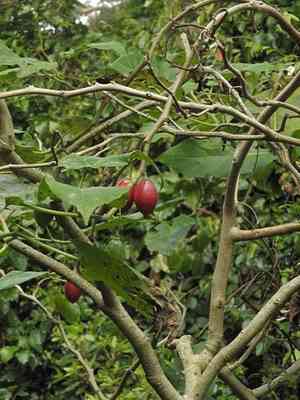
Optimal relocation for tamarillo occurs during the lively period of mid-to-late spring, favoring warm, protected locations featuring soil with good drainage. A helpful suggestion for thriving growth: contemplate incorporating organic material to enhance the planting area.
What Preparations are Needed Before Transplanting Tamarillo?
What is the Ideal Time for Transplanting Tamarillo?
The perfect time for moving tamarillo is in mid-spring. This season provides mild temperatures and balanced light, promoting strong root development and adaptation in its new spot. Transplanting now takes advantage of rising temperatures and longer days, which are great for tamarillo's growth. Optimal timing ensures the plant establishes well before summer's full heat, encouraging robust, healthy growth. Choosing this period for tamarillo's relocation aligns with nature's cycle and promises a lush, vibrant garden display.
How Much Space Should You Leave Between Tamarillo Plants?
When relocating your tamarillo, aim to position each one approximately 2-3 feet (60-90 cm) apart. This will provide ample room for growth and help maintain good health. Remember, adequate spacing is very beneficial!
What is the Best Soil Mix for Tamarillo Transplanting?
The tamarillo thrives in soil that drains well and is rich in organic matter. Before planting, enrich the ground with a suitable base fertilizer to optimize nutrient levels. This initial preparation will make a significant difference.
Where Should You Relocate Your Tamarillo?
Regarding where to place your tamarillo, choosing a spot with full sun is most advantageous. These plants require abundant sunlight! Just ensure the area isn't exposed to excessive intense afternoon heat.
What Equipments Should You Prepare Before Transplantation Tamarillo?
Gardening Gloves
To safeguard your hands while handling soil and tamarillo.
Trowel
For digging small holes to remove or transplant tamarillo.
Shovel or Spade
A larger digging implement for bigger plants or deeper excavations.
Garden Hose or Watering Can
To hydrate tamarillo before and after its relocation.
Pruners
Essential for trimming any damaged roots or branches during the transplanting process.
Garden Fork
To loosen the soil around tamarillo in its original position.
Wheelbarrow or Plant Pot
To move tamarillo from its initial growing spot to its new one.
Stakes or Plant Supports
To offer structural assistance for tamarillo if needed.
How Do You Remove Tamarillo from the Soil?
How Do You Remove Tamarillo from the Soil?
From Ground: First, moisten the soil around tamarillo. Then, using a shovel or spade, dig a wide trench around the plant, being careful to keep the root ball intact. Swiftly slide your spade beneath the root ball to lift the plant.From Pot: Water tamarillo initially, then invert the pot, holding the plant's stem, and gently tap the rim of the pot to release tamarillo. Be careful not to yank and harm the roots.From Seedling Tray: Dampen the soil by gently watering tamarillo. Use a trowel to lift the seedling by digging under the root ball. Hold the seedling by the root ball, not the stem, when removing.
Step-by-Step Guide for Transplanting Tamarillo
Identification
Determine the correct time for transplanting, typically when tamarillo has outgrown its current container or when outdoor conditions are suitable for a ground plant.
Preparation
Prepare the new location or container by digging a hole twice as wide as the plant's root ball and equally deep. Water the hole before placing the plant.
Transplantation
Carefully position tamarillo in the hole, ensuring the top of the root ball is level with the ground surface. Backfill the hole with the original soil.
Watering
Thoroughly water the plant after transplanting. The water will help settle the soil and eliminate any air pockets around the roots.
Support
Stake tamarillo if necessary to provide additional support for upright growth.
How Do You Care For Tamarillo After Transplanting?
Monitoring
Closely observe tamarillo after its relocation, looking for signs of stress such as wilting or leaf drop. This might simply be transplant shock, and the plant needs some time to recover.
Watering
Ensure the soil remains consistently moist, but not waterlogged. Both excessive and insufficient watering can harm the plant.
Pruning
Remove any damaged or diseased growth after transplanting to encourage healthy new development.
Protection
Shield tamarillo from harsh weather conditions like strong winds or intense sun immediately after transplantation.
Troubleshooting Common Issues with Tamarillo Transplantation.
When is the ideal time to transplant my tamarillo plant?
The best time to move your tamarillo is during season 2 to season 3. In this period, the plant's growth is at its peak, increasing the chances of successful transplanting.
What's the ideal spacing distance for my tamarillo plant?
Spacing is vital! To give your tamarillo ample room, each plant should be 2-3 feet (60-91 cm) apart. This promotes good air circulation and growth.
How should I prepare the soil for my tamarillo before transplantation?
Ensure the soil your tamarillo will be moved into is well-drained and fertile. Adding compost or other organic matter can enhance soil quality.
Is there a specific depth to plant my tamarillo?
Absolutely! The hole for your tamarillo should be deep and wide enough to accommodate the entire root ball without compressing it.
What should I do if my transplanted tamarillo starts wilting?
If your tamarillo wilts after transplant, it might be experiencing transplant shock. Ensure it receives enough water, proper sunlight, and consider using a root stimulator.
How much water does my newly transplanted tamarillo need?
Water your tamarillo thoroughly immediately after transplantation. Afterward, maintain a regular watering schedule but avoid overwatering to prevent root rot and disease.
What type of light condition does tamarillo prefer after transplantation?
Tamarillo prefers full sun to partial shade conditions. Ensure it gets at least 6 hours of sunlight daily to encourage healthy growth.
What care does tamarillo need to help it settle after transplantation?
Ensure tamarillo is in a well-drained spot with sufficient sunlight, water it regularly without overwatering, and add some compost or light fertilizer for a nutrient boost.
What if the leaves of my tamarillo turn yellow after transplantation?
Yellowing may indicate overwatering or nutrient deficiency. Reduce watering if needed and ensure the plant receives balanced fertilizer that isn't too high in nitrogen.
Is it normal for tamarillo to drop some leaves after transplantation?
Yes, it's common for tamarillo to shed a few leaves as a stress response. Continue providing proper care, and it should recover naturally.



