How to Transplant Bristly greenbrier?
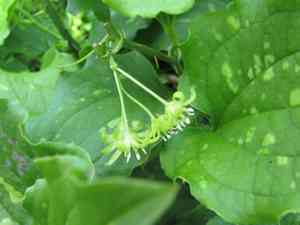
Relocate bristly greenbrier once temperatures rise and freezing conditions cease, ideally from late spring through early summer. Select a location offering partial shade, making sure the earth is fertile and drains effectively. A helpful suggestion: maintain root moisture to facilitate their establishment.
Preparations Required Before Relocating Bristly Greenbrier
Optimal Period for Relocating Bristly Greenbrier?
The ideal period for relocating bristly greenbrier spans from late spring to early summer. This timeframe enables the root system of bristly greenbrier to become established in mild conditions, avoiding the stresses of harsher seasons. Utilizing this window encourages robust development of bristly greenbrier, as soil temperatures are suitably warm, fostering root growth. It also ensures bristly greenbrier has sufficient time to adjust before colder temperatures arrive. During this active growth phase, transplanting bristly greenbrier provides it with the best start in its new spot, leveraging the season's moderate conditions for peak vitality and resilience.
Recommended Spacing Between Bristly Greenbrier Plants?
Position your bristly greenbrier plants approximately 3-5 feet (0.9-1.5 meters) apart to provide adequate room for growth. This guideline ensures proper distribution and optimal development. Don't be intimidated by spacing!
Best Soil Blend for Bristly Greenbrier Relocation?
Prior to planting your bristly greenbrier, confirm the soil is well-draining and fertile. Incorporating organic compost or manure as a foundational fertilizer can provide a significant boost! This will create an inviting environment for your bristly greenbrier to flourish.
Where to Replant Your Bristly Greenbrier?
Select a location where your bristly greenbrier can receive full sun to partial shade. This means a spot with 4-6 hours of daily sunlight. Your bristly greenbrier will appreciate the gentle warmth of the sun!
Equipment Needed Before Transplanting Bristly Greenbrier
Gardening Gloves
To safeguard your hands from thorns while handling the plant and soil.
Shovel
For digging the new planting hole and carefully extracting the plant from its current ground location.
Spade
To neaten the edges of the hole and assist in lifting the plant.
Tarp
To hold excavated soil and also useful for resting the plant on if it's a large bristly greenbrier.
Pruning Shears
To trim any damaged or excessively long roots.
Watering Can
To hydrate plants before and after relocation.
Stakes and Ties
To provide support for the plant, especially if it's a sizable specimen.
How to Extract Bristly Greenbrier from the Soil?
How to Extract Bristly Greenbrier from the Soil?
From Ground: Begin by watering the bristly greenbrier plant you intend to move. This will make the soil much easier to manage. Next, dig a wide circle around the plant, aiming to encompass as much of the root system as possible. Try to dig deeply to lift the root ball intact. Use the shovel to gently pry the plant up, then transfer it onto the tarp. From Pot: Thoroughly moisten the soil, then carefully invert the pot, supporting the bristly greenbrier plant with your hand. The plant should slide out. If not, gently tap the pot to loosen it. From Seedling Tray: If the plant is very young and in a modular seedling tray, ensure the compost is damp, then push up from the bottom of the module to release the plant, catching it gently to avoid damaging its stem and roots.
Step-by-Step Guide for Relocating Bristly Greenbrier
Preparation
Prepare the new planting site before you begin to unearth your bristly greenbrier plant. The new hole should be twice as wide and as deep as the plant's root system. Incorporate compost into the excavated soil, but do not add it directly to the hole.
Plant Placement
Position the plant so its root crown is level with the soil surface, then backfill with the enriched soil around the plant, gently firming it down.
Watering
Water the plant thoroughly, wait a few minutes, then water again. This ensures moisture penetrates deep into the soil.
Staking
If the bristly greenbrier plant is large, it may require staking. Use ties and stakes to provide support. Be careful not to harm the root system while positioning the stakes.
Post-Transplantation Care for Bristly Greenbrier
Pruning
The bristly greenbrier plant may benefit from light trimming after relocation, to reduce its water needs during establishment. Remove any damaged or diseased foliage.
Watering
Especially during the initial 6 weeks, ensure the plant receives sufficient water. If the weather is dry, daily irrigation may be necessary.
Weeding
Control weeds as they compete for nutrients and water with your newly transplanted plant. Hand-weed or mulch around the plant instead of using a hoe to prevent damage to shallow roots.
Monitoring
Observe the bristly greenbrier plant for signs of stress or disease. Early intervention can save the plant.
Addressing Common Issues with Bristly Greenbrier Relocation.
What is the optimal season to relocate bristly greenbrier?
The best time to relocate bristly greenbrier is during its late growth phase and just before dormancy, between S3-S4.
How much space should I allow between each bristly greenbrier during relocation?
To encourage healthy development, ensure each bristly greenbrier is spaced approximately 3-5 feet (0.9-1.5 meters) apart.
How to manage the bristly greenbrier root ball during relocation?
Handle the root ball of bristly greenbrier with care, avoiding breakage or damage. Keeping the root ball intact simplifies relocation and promotes growth.
What are the ideal soil conditions for relocating bristly greenbrier?
Relocate bristly greenbrier in fertile, well-draining soil. Excessive water can lead to root rot, while insufficient water can prevent the plant from establishing.
How deep should I plant bristly greenbrier after relocation?
Plant bristly greenbrier at the same depth it was growing in its previous spot. This ensures the plant adapts quickly to the new environment.
What is the best watering method for bristly greenbrier after relocation?
Water bristly greenbrier thoroughly after relocation, keeping the soil moist but not waterlogged. Over or under-watering can stress the plant and hinder growth.
What care should I provide to bristly greenbrier immediately after relocation?
Keep bristly greenbrier in a protected, partially shaded area for a few days post-relocation. This allows the plant to gently adjust to the new environment.
How to ensure bristly greenbrier is healthy after relocation?
Regularly inspect bristly greenbrier for signs of stress, such as wilting or yellowing leaves. Promptly address any issues to maintain plant health.
When should I consider using a root stimulator for bristly greenbrier after relocation?
If bristly greenbrier exhibits signs of transplant shock, like wilting or slow growth, a root stimulator can aid in faster recovery.
Should I fertilize bristly greenbrier immediately after relocation?
Postpone fertilizing bristly greenbrier for a few weeks after relocation to allow the plant to acclimate to its new surroundings and reduce the risk of 'burning' the plant.



