How to Transplant Sloanea?
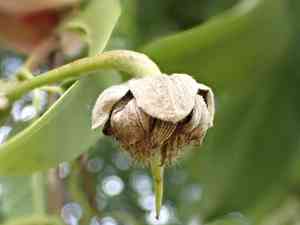
The most favorable period for relocating sloanea is amidst the crisp, energetic development of late-morning spring. This time of year provides perfect temperatures for root integration, avoiding the strain of intense warmth. Select a sheltered location with soil that drains effectively, and guarantee careful handling to reduce root disturbance.
What Preparations are Needed Before Transplanting Sloanea?
What is the Ideal Time for Transplanting Sloanea?
The most favorable period for relocating sloanea occurs during the mild warmth of late spring. At this time, consistent temperatures and moisture levels create an optimal setting for root development. Moving sloanea then capitalizes on spring's vigorous growth, allowing this perennial to flourish. With roots firmly established before summer's heat, sloanea plants are set for success, readily adapting to their new environment with vitality.
How Much Space Should You Leave Between Sloanea Plants?
When getting ready to move sloanea, make sure each plant has ample room to thrive! Aim for a generous 15-20 feet (4.5-6 meters) between each specimen. This allows roots to expand and foliage to receive sunlight without competition.
What is the Best Soil Mix for Sloanea Transplanting?
For sloanea, it prefers to settle into well-drained, fertile soil. Begin by incorporating organic compost or a balanced, slow-release fertilizer to nourish your plant. A pH testing kit can confirm the soil is suitable - sloanea favors a slightly acidic to neutral range.
Where Should You Relocate Your Sloanea?
Find a location for your sloanea that receives both sun and partial shade, ensuring it gets necessary light while also having some respite from the midday sun. An east-facing spot could be perfect, providing bright morning light and afternoon protection.
What Equipments Should You Prepare Before Transplantation Sloanea?
Shovel or Spade
To excavate the sloanea plant and prepare the new planting site.
Watering Can or Hose
For hydrating the sloanea before and after extraction, and in its new spot.
Pruning Shears
To trim any damaged roots or branches prior to transplanting.
Wheelbarrow or Garden Cart
To move the sloanea from its original position to the new one.
Gardening Gloves
To safeguard your hands while handling soil and the plant.
Garden Fork
To loosen the soil around the plant's root system during removal.
Tarp
To place the dug-up sloanea on and maintain a tidy work area.
Mulch
To insulate and safeguard the sloanea's roots after transplant.
How Do You Remove Sloanea from the Soil?
How Do You Remove Sloanea from the Soil?
From Ground: Water the sloanea thoroughly to moisten the soil, which facilitates plant removal. Use a shovel or garden fork to dig a wide trench around the plant, being careful not to harm the root ball. Gently work the tool beneath the root ball and lift the sloanea from its current spot.From Pot: Start by watering the sloanea to minimize shock during the transfer. Tilt the pot sideways and gently tap it to loosen the root ball. Pull the plant out by its base, supporting the root ball with your other hand.From Seedling Tray: Water the seedlings adequately before transplanting. Use a dibber or a small implement to carefully lift the sloanea from the tray without harming the delicate roots.
Step-by-Step Guide for Transplanting Sloanea
Initial Watering
Water the sloanea thoroughly before beginning the transplant process to lessen plant stress.
Digging
Excavate a hole in the new location that is twice the width of the sloanea's root ball and at the same depth it was previously growing.
Root Pruning
Trim any broken or excessively long roots with pruning shears to encourage fresh growth.
Plant Positioning
Place the sloanea in the center of the new hole, gently spreading out its roots.
Soil Replacement
Backfill the hole with soil, gently firming it around the roots to eliminate air pockets.
Watering In
Water the sloanea thoroughly immediately after planting to settle the soil and aid root-plant contact.
Mulching
Apply a layer of mulch around the sloanea to retain moisture, suppress weeds, and stabilize soil temperature.
How Do You Care For Sloanea After Transplanting?
Staking
Add a stake for support if the sloanea is tall or unstable, tying it loosely to allow for growth.
Regular Watering
Maintain consistent soil moisture, especially during dry periods, for the initial growing season.
Monitoring
Observe for indications of transplant shock, such as wilting or yellowing, and promptly address any issues.
Troubleshooting Common Issues with Sloanea Transplantation.
What's the best timing for transplanting sloanea for optimal growth?
Ideally relocate sloanea from mid to late spring when the soil is warm and workable.
How far apart should I space sloanea when transplanting?
Space sloanea approximately 15-20 feet (4.5-6 meters) apart to ensure sufficient room for growth.
What are the signs of transplant shock in sloanea?
Symptoms include wilting, yellowing leaves, or slowed development. Ensure proper post-transplant care.
How should I prepare the soil before transplanting sloanea?
Enrich the soil with compost, ensure it is well-draining, and moist before planting.
How deep should the hole be for transplanting sloanea?
Dig a hole twice the width and the same depth as the root ball of sloanea.
Can I transplant sloanea on a hot, sunny day?
It's best to choose an overcast day or transplant in the late afternoon to reduce stress on sloanea.
What's the ideal watering schedule after transplanting sloanea?
Water deeply after transplanting, then regularly to keep the soil moist but not waterlogged.
How much mulch should I use after transplanting sloanea?
Apply 2-3 inches (5-7.5 cm) of mulch around sloanea, avoiding direct contact with the stem.
Is it necessary to prune sloanea immediately after transplanting?
No, wait until sloanea is established. Pruning too soon can increase transplant shock.
How do I protect sloanea from pests after transplanting?
Regularly inspect for pests, and use appropriate measures only if necessary to prevent stress on sloanea.



