How to Transplant Gloxinia?
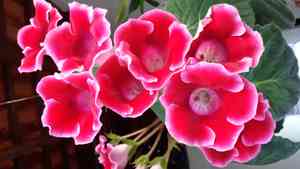
For gloxinia, the ideal period for repotting is from early to mid-spring, as moderate temperatures encourage development. Select a well-lit spot with diffused light, and during handling, carefully loosen the root mass to minimize transplant shock.
What Preparations are Needed Before Transplanting Gloxinia?
What is the Ideal Time for Transplanting Gloxinia?
The best period for relocating gloxinia is from mid to late spring. This season offers a good mix of cool evenings and warming ground temperatures, promoting root development before the summer heat. Replanting gloxinia at this time utilizes spring's mild weather, encouraging strong growth and ensuring a robust start. The natural increase in daylight and moderate moisture levels in spring aid root establishment and adaptation in their new spot, setting the stage for a season of lush, vibrant growth.
How Much Space Should You Leave Between Gloxinia Plants?
For your gloxinia, aim to provide approximately 1-2 feet (30-60 cm) of space between each plant. This will allow ample room for growth and prevent overcrowding. A simple measuring tool can help maintain proper spacing.
What is the Best Soil Mix for Gloxinia Transplanting?
Prepare a suitable soil and fertilizer blend for your gloxinia! Opt for a well-draining soil mix rich in organic matter. For the base fertilizer, select a high-quality, slow-release type. This prepared soil will help your plant thrive in its new home!
Where Should You Relocate Your Gloxinia?
Sunlight benefits your gloxinia, but excessive exposure can be detrimental. Seek a garden location that receives bright, yet indirect light. An area where sunlight filters through dappled shade, such as beneath a tree canopy, would be ideal. Your gloxinia will appreciate this thoughtful placement!
What Equipments Should You Prepare Before Transplantation Gloxinia?
Gardening Gloves
These will safeguard your hands while handling soil and plants.
Trowel
A small hand implement used for digging, applying, smoothing, or moving minor quantities of soil or compost.
Watering Can
To hydrate the gloxinia plant both before and after its relocation.
Gardening Shovel
Necessary for excavating the hole for the gloxinia's transplantation.
Transplanting Basket
To transport the gloxinia plant from its original spot to the new site.
Burlap
It can be wrapped around the gloxinia plant's root ball to keep the soil and roots together during the move.
Stakes and Strings
To offer support to the gloxinia plant in its new position if required.
How Do You Remove Gloxinia from the Soil?
How Do You Remove Gloxinia from the Soil?
From Ground: If the gloxinia is planted directly in the ground, first water it to moisten the soil. Then, use a spade or gardening shovel to dig a wide circle around the plant, being careful not to harm the root ball. Gently lift the plant from the ground, keeping the rootball intact. Use burlap to wrap the rootball.From Pot: If the gloxinia is in a pot, water the plant. Turn the pot sideways and carefully ease the plant out. Supporting the plant's base, tap the pot's bottom until the plant slides free. Be cautious not to pull or tear the roots.From Seedling Tray: If the gloxinia is in a seedling tray, water it to moisten the rootball. Gently push the plant out from the tray's bottom. Hold the plant by its leaves to prevent damage to the delicate stem and roots.
Step-by-Step Guide for Transplanting Gloxinia
Preparation
Extract the gloxinia from its initial location following the guidelines above, depending on whether it's in the ground, a pot, or a seedling tray.
Digging the Hole
Excavate a hole at the new site with the gardening shovel that is as deep and twice as wide as the gloxinia's root ball.
Placing the Plant
Position the gloxinia plant in the hole, ensuring the top of the rootball is level with or slightly below the ground surface.
Backfilling
Refill the area around the rootball with soil, making sure no air pockets remain.
Watering
Water the gloxinia plant thoroughly using the watering can, ensuring the rootball is completely saturated.
Supporting
If necessary, utilize stakes and strings to provide stability for the gloxinia plant.
How Do You Care For Gloxinia After Transplanting?
Monitoring
Regularly inspect the gloxinia plant for any indications of transplant shock, such as wilting or yellowing leaves. Should any symptoms appear, consult a local garden center for treatment recommendations.
Watering
For the initial weeks post-transplanting, water the gloxinia plant consistently to aid in developing strong roots. However, avoid overwatering as it can lead to root rot.
Pruning
Prune the gloxinia plant selectively to encourage new growth. But refrain from significant pruning immediately after transplanting to minimize stress on the plant.
Protection
During the first few weeks, shield the newly transplanted gloxinia plant from harsh weather conditions like heavy rainfall, strong winds, or intense sunlight.
Troubleshooting Common Issues with Gloxinia Transplantation.
When is the ideal time to transplant gloxinia?
The optimal period for transplanting gloxinia is during its second or third growth season, which is perfect for its transition.
What is the optimal spacing between gloxinia plants when transplanting?
To ensure healthy growth for gloxinia, maintain a distance of approximately 1-2 feet (about 30-60 cm) between each plant.
Why are my newly transplanted gloxinia not flourishing?
This could be due to improper handling during transplantation or unsuitable environmental conditions. Ensure gentle treatment and provide your gloxinia with appropriate care.
What kind of soil does gloxinia prefer for transplanting?
Gloxinia thrives in well-drained, fertile soil. Be sure to incorporate ample compost or organic matter to enrich the soil during transplanting.
How much watering does gloxinia require after transplantation?
Water gloxinia thoroughly at the time of transplanting; afterward, ensure the soil remains moist but not waterlogged. Waterlogging can harm the roots.
How deep should the hole be for transplanting gloxinia?
The hole should be deep enough to accommodate the gloxinia's root ball, typically around 10 inches (25 cm) deep. Always adjust based on actual conditions.
Can I grow gloxinia indoors after transplanting?
Yes, you can! In fact, gloxinia flourishes indoors with bright, indirect light. Just ensure it has sufficient space to grow and receives proper care.
What to do if the leaves of gloxinia start wilting after transplanting?
Wilting may indicate shock or insufficient water. Reduce direct sunlight exposure, keep the soil consistently moist, and avoid frequent relocation.
Should I fertilize gloxinia right after transplanting?
Delay fertilizing until gloxinia has acclimated to its new environment. Subsequently, a balanced slow-release fertilizer can be applied.
How to handle gloxinia during transplanting to minimize damage?
During transplanting, handle gloxinia with care to prevent root damage. Always hold it by the root ball, not the stems or leaves.



