How to Transplant Rose campion?
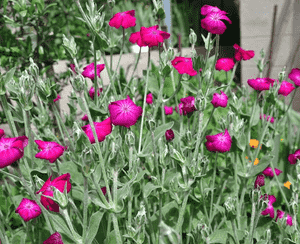
The optimal period for relocating rose campion is from early to mid-spring and mid to late autumn, as these times encourage robust root development. Choose a location with full sun or partial shade, and allow ample room for expansion. Carefully manage rose campion throughout the transplantation procedure to avoid harming the roots, guaranteeing the best outcome.
What Preparations are Needed Before Transplanting Rose Campion?
What is the Ideal Time for Transplanting Rose Campion?
For rose campion, the best period for relocation is early to mid-spring or mid to late autumn. Moving it during these times allows the plant sufficient opportunity to establish its root system prior to harsh weather. Transplanting rose campion in these seasons offers numerous advantages, including improved root development, reduced shock from the move, and impressive growth in the subsequent season. Your rose campion will flourish and reward you with its striking beauty when moved during these optimal periods. A small effort now will yield beautiful results!
How Much Space Should You Leave Between Rose Campion Plants?
To provide rose campion ample room for development, it's advisable to space transplants approximately 12-15 inches (30-38 cm) apart. This spacing ensures the plants can grow fully without becoming overcrowded, promoting healthy development.
What is the Best Soil Mix for Rose Campion Transplanting?
For rose campion, soil that drains well and is rich in organic matter is perfect. Prepare the planting area by incorporating compost or aged manure as a foundational fertilizer. Adding a slow-release granular fertilizer also aids in supporting growth.
Where Should You Relocate Your Rose Campion?
Rose campion thrives in locations with full sun to partial shade. Select a spot in your garden that receives at least 4-6 hours of direct sunlight daily, ensuring the plants get the necessary light for vibrant blooms and robust growth.
What Equipments Should You Prepare Before Transplantation Rose Campion?
Gardening Gloves
To safeguard your hands from any thorns or sharp parts of rose campion.
Shovel or Spade
For excavating the plant and preparing the new planting location. Remember to select a size suitable for your plant's dimensions.
Watering Can or Hose
To hydrate the plant before and after the relocation.
Trowel
To dig smaller, precise holes if moving from a small container or seedling tray.
Garden Pruners
To trim the plant if necessary during the transplanting process.
Rootball Cloth or Burlap
For wrapping the root ball of larger plants, which helps sustain the plant during the move and prevents root damage.
How Do You Remove Rose Campion from the Soil?
How Do You Remove Rose Campion from the Soil?
From Ground: Begin by moistening the soil around rose campion to facilitate easier removal. Carefully use a shovel or spade to start digging a distance away from the plant's base. The goal is to preserve as many roots as possible while lifting it.From Pots: First, thoroughly water rose campion. Then, place your hand over the pot's top, holding the plant's base. Invert the pot and gently tap to release the plant. If it doesn't come out, you may need to tap more or slide a knife around the rim.From Seedling Tray: Water the soil in the tray. Then, gently push the bottom of the tray beneath rose campion or use a dibber or similar slender tool to pop the plant out. Be sure to hold the plant by its leaves to avoid damaging the stem.
Step-by-Step Guide for Transplanting Rose Campion
Prepare the New Site
Excavate a hole in the ground that is twice as wide and as deep as the root ball of rose campion.
Plant Preparation
If rose campion is in a container, carefully remove it. If it's in the ground, use a spade to gently lift it out, keeping as much of the root system intact as possible.
Positioning
Gently place rose campion in the center of the hole. The top of the root ball should be level with or slightly below the surrounding soil to prevent water accumulation.
Backfilling
Refill the hole with the excavated soil, gently firming it around the base of rose campion.
Watering
Thoroughly water rose campion after planting to settle the soil and ensure good contact with the roots.
How Do You Care For Rose Campion After Transplanting?
Watering
Ensure rose campion remains adequately watered, but avoid overwatering. Make sure the water penetrates deeply to encourage robust root growth.
Pruning
Depending on the plant, trimming might be necessary after transplanting to minimize moisture loss.
Mulching
Apply a layer of mulch around rose campion, but keep it away from the stem. This will help retain moisture and suppress weeds.
Monitoring
Observe rose campion for several weeks, looking for any indications of stress or illness. Slight wilting after transplanting can be normal, but persistent wilting, discoloration, or leaf drop could signal an issue.
Troubleshooting Common Issues with Rose Campion Transplantation.
When is the best time to transplant rose campion?
The ideal period to move rose campion is during early to mid-spring or mid to late autumn. Transplanting during these times allows the plant to establish itself before extreme weather conditions.
What's a good distance to place the rose campion plants from each other?
You should ideally position rose campion plants approximately 12-15 inches (30-38 cm) apart. This spacing provides each plant ample room to grow and thrive without competing for resources.
How do I prepare the new site before transplanting rose campion?
Ensure the new location has well-drained soil and receives full sun. Dig a hole that's twice the width of the plant's root ball, and incorporate some organic compost to enrich the soil.
How do I handle rose campion during transplanting to prevent damage?
Rose campion can be delicate. Gently loosen the soil around the plant using a gardening fork. Hold the plant at its base, lift it carefully, trying to keep as much of the root ball intact as possible.
Why do my transplanted rose campion plants wilt and how can I prevent it?
Wilting can be a result of transplant shock. To minimize this, avoid transplanting in extreme weather conditions. Initially, water your rose campion sufficiently, and provide shade, if possible, to aid its recovery.
How much water does the rose campion need after being transplanted?
Upon transplanting, water rose campion thoroughly to help settle the soil. Afterward, maintain a consistent watering schedule. Keep the soil consistently moist but avoid waterlogging, which can lead to root rot.
When should I start fertilizing the transplanted rose campion and what type should I use?
Begin feeding rose campion with a balanced, slow-release fertilizer a few weeks after transplanting. This timing allows the plant to adjust before needing to process additional nutrients.
How do I ensure rose campion survives frost after transplanting?
If frost is anticipated, cover your young rose campion plants with garden fleece, straw, or any plant protective material. Be sure to remove the cover once the threat of frost has passed!
The leaves of my transplanted rose campion are turning yellow, what could be the problem?
Yellow leaves could indicate the plant is receiving too much water or is lacking nutrients. Ensure your rose campion is neither waterlogged nor dry and provide it with a balanced fertilizer.
What should I do if the transplanted rose campion doesn't show signs of growth?
First, be patient as rose campion might simply be slow to exhibit top growth. Ensure it receives adequate sunlight, water, and nutrients. If there's still no progress, consult your local nursery or extension service.



