How to Transplant Sweet william catchfly?
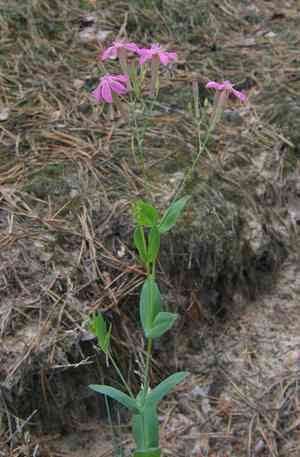
For sweet william catchfly to thrive from the outset, target the prime period of the cultivation cycle, generally from mid to late spring, when the earth is warm and fertile. Select a bright spot with soil that drains effectively, guaranteeing an ideal new environment for your sweet william catchfly. A helpful suggestion: careful handling is crucial for their successful establishment!
Essential Preparations Before Relocating Sweet William Catchfly
Optimal Timing for Sweet William Catchfly Relocation?
The best period for moving sweet william catchfly is the vibrant stretch between mid-spring and late spring. During this time, the ground is warm and receptive, perfectly suited for root development. Transplanting sweet william catchfly in this season allows it to benefit from longer days and milder nights, fostering robust growth. This timing also ensures you leverage spring's balanced weather, which is crucial for sweet william catchfly to flourish after being moved.
Recommended Spacing Between Sweet William Catchfly Plants?
Greetings! Before relocating your sweet william catchfly, ensure they have ample room to thrive. Aim to position each plant approximately 9-12 inches (23-30 cm) apart. This provides sufficient space for expansion and air circulation, contributing to the plants' well-being and vitality.
Ideal Soil Mixture for Sweet William Catchfly Transplanting?
For sweet william catchfly, a soil rich in organic material is preferred. Before planting, incorporate some well-decomposed compost or a balanced, slow-release fertilizer to give them an excellent start. Ensure the soil drains effectively to keep their roots comfortable and prevent waterlogging.
Choosing a New Location for Your Sweet William Catchfly?
Make sure to select a sunny spot for your sweet william catchfly, as they thrive in bright conditions. A location receiving at least 6 hours of direct sunlight daily is perfect. This preference for sun will result in more vibrant blossoms and stronger development, so seek out a bright, cheerful area in your garden!
Tools Required Before Transplanting Sweet William Catchfly?
Gardening Gloves
To safeguard your hands while handling soil and plants.
Trowel
For digging and moving soil during the relocation process.
Watering Can
To hydrate the sweet william catchfly both before and after its move.
Garden Spade
For carefully excavating the sweet william catchfly if it's in the ground.
Pruning Shears
To trim any damaged roots or foliage as needed.
Wheelbarrow or Plant Tray
To comfortably transport the sweet william catchfly and soil to its new site.
Rooting Hormone (optional)
To stimulate root growth following transplantation.
How to Extract Sweet William Catchfly from the Soil?
How to Extract Sweet William Catchfly from the Soil?
From Ground: First, moisten the soil around the sweet william catchfly plant. Then, dig a wide trench around the plant using a shovel or spade, ensuring the root ball remains intact. Carefully work the spade beneath the root ball to lift the plant from its original spot.From Pot: Gently tap the pot's sides to loosen the soil. Tilt the pot sideways and slowly ease the sweet william catchfly out, supporting the plant's base with your hand.From Seedling Tray: Water the tray to make the soil damp and pliable. Use a trowel or your fingers to carefully remove the sweet william catchfly from its cell, taking care not to disturb the roots.
Step-by-Step Guide for Relocating Sweet William Catchfly
Preparation
Gather all necessary tools for the transplanting process, ensuring they are clean to prevent disease transmission.
Removal
Carefully extract the sweet william catchfly from its original location using the appropriate method depending on whether it's in the ground, a pot, or a seedling tray. Aim to keep as much soil around the roots as possible.
Transplant Hole
Dig a hole in the ground where you intend to relocate the sweet william catchfly. The hole should be twice as wide as the root ball to allow for root expansion and the same depth as the root ball so the plant sits at its previous soil level.
Plant Positioning
Place the sweet william catchfly in the center of the hole and gently spread its roots. If using, apply a small amount of rooting hormone to the roots.
Soil Refill
Backfill the hole with soil, gently pressing down around the plant's base to eliminate any air pockets.
Watering
Thoroughly water the sweet william catchfly, ensuring the water penetrates the soil to reach the roots.
Stabilization
If needed, stake the sweet william catchfly to provide extra support and prevent wind damage. Be careful not to harm the roots when inserting stakes into the soil.
Post-Transplant Care for Sweet William Catchfly
Initial Watering
Maintain consistent moisture in the soil around the sweet william catchfly for the first few weeks after relocation. Water deeply to encourage root growth but avoid waterlogging.
Mulching
Apply a layer of mulch around the base of the sweet william catchfly to help retain moisture, stabilize soil temperature, and reduce weed competition.
Monitoring
Regularly inspect the sweet william catchfly for signs of stress, such as wilting or discolored leaves, and address any issues promptly.
Protection
Shield the sweet william catchfly from pests and use a suitable barrier if necessary to deter animals from the young plant.
Staking
Ensure that any stakes are firmly in place and offer support without restricting growth or damaging the sweet william catchfly.
Resolving Common Issues with Sweet William Catchfly Transplantation.
What is the recommended spacing for sweet william catchfly when transplanting?
For optimal development, space your sweet william catchfly approximately 9-12 inches (23-30 cm) apart.
When is the best time of year to relocate sweet william catchfly?
The ideal period for transplanting sweet william catchfly is from mid to late spring, when the soil begins to warm.
My sweet william catchfly is wilting after transplanting, what went wrong?
Wilting may be due to shock. Ensure gentle handling, adequate watering, and avoid direct sunlight for a few days.
Is it advisable to transplant sweet william catchfly on a hot, sunny day?
It's best to transplant sweet william catchfly on an overcast day or in the evening to minimize stress and moisture loss.
What type of soil should I use for transplanting sweet william catchfly?
Utilize well-draining soil rich in organic matter to give your sweet william catchfly the best possible start.
How deep should I plant sweet william catchfly seedlings when transplanting?
Plant sweet william catchfly at the same depth they were growing in their previous container to prevent stem rot.
Why are the leaves of my sweet william catchfly turning yellow after transplanting?
Yellow leaves might indicate overwatering or poor drainage. Ensure the soil drains well and avoid excessive watering.
Should I fertilize sweet william catchfly immediately after transplanting?
Wait 2-4 weeks before fertilizing to allow sweet william catchfly to establish roots in its new location without causing stress.
How much should I water sweet william catchfly after transplanting?
Water sweet william catchfly thoroughly after transplanting, then maintain consistent moisture without overwatering.
When can I expect sweet william catchfly to bloom after transplanting?
With proper care, sweet william catchfly should bloom according to its natural cycle, typically within a few months during the growing season.



