How to Transplant Blue field-madder?
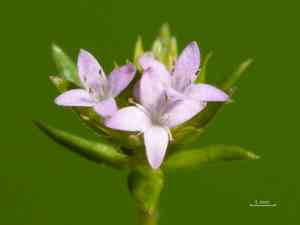
The most suitable period for relocating blue field-madder is from the mild temperatures of late spring through mid-summer, which encourages superior root development. Choose a location with partial sunlight and soil that drains effectively for peak growth. During the transplanting process, handle with care to safeguard its fragile root system.
What Preparations are Needed Before Transplanting Blue Field-madder?
What is the Ideal Time for Transplanting Blue Field-madder?
Relocating blue field-madder during the transition from late spring to early summer is optimal, as mild weather aids root establishment. During this calm period, blue field-madder experiences accelerated growth, ensuring a smooth move to its new spot. This timing also allows blue field-madder to benefit from extended daylight, promoting robust development before colder seasons arrive. The favorable seasons provide blue field-madder with moderate temperatures and sufficient rainfall, enhancing its resilience and vitality in the new location. Choose this peaceful window for transplanting, and observe blue field-madder flourish!
How Much Space Should You Leave Between Blue Field-madder Plants?
When planting blue field-madder, ensure adequate room for their development. We recommend a spacing of 0.5-1 foot (15-30 cm) between each plant. This enables each to reach its full potential, allowing them to thrive!
What is the Best Soil Mix for Blue Field-madder Transplanting?
Blue field-madder thrives in well-draining soil rich in organic matter. Before planting, incorporate compost or a balanced granular fertilizer into the soil. This will provide a nourishing environment for your plants to settle into.
Where Should You Relocate Your Blue Field-madder?
Select a sunny spot for blue field-madder – they require at least 6 hours of daily sun. Please avoid overly shaded areas. Our blue field-madder friend loves the sun, so pick a garden location where it can soak up those golden rays.
What Equipments Should You Prepare Before Transplantation Blue Field-madder?
Gardening Gloves
To safeguard your hands from potential skin irritation or injuries when handling soil and plant material.
Shovel
Necessary for excavating the hole to accommodate the blue field-madder's root ball.
Trowel
This implement will be useful for extracting the blue field-madder from its original container, especially if it's potted.
Gardening Hose with a Soft Spray Attachment
This will be utilized for gentle initial watering, after the blue field-madder has been transplanted.
Mulch
To retain moisture around the plant in its new setting.
Pruning Shears
To remove any dead or damaged portions of the blue field-madder.
How Do You Remove Blue Field-madder from the Soil?
How Do You Remove Blue Field-madder from the Soil?
From Ground: Begin by thoroughly watering the blue field-madder to moisten the soil, which facilitates removal and lessens transplant shock. Then, using a shovel or spade, dig a wide trench around the plant, being careful not to harm the root system. Working your spade beneath the root ball, gently lift the blue field-madder and its soil from the ground.From Pot: For a potted blue field-madder, invert the pot while supporting the soil with your hand, with the plant stem between your fingers. Tug gently at the base of the stem to release the plant. If the plant doesn't come out easily, tap the pot's sides gently to loosen the soil.From Seedling Tray: For a blue field-madder in a seedling tray, start by watering it. Then, squeeze the bottom of the cell to push the seedling upward. Carefully pull the plant out, holding it by its leaves rather than the stem to prevent damage.
Step-by-Step Guide for Transplanting Blue Field-madder
Hole Preparation
Excavate a hole in your chosen spot that is twice as wide and slightly deeper than the blue field-madder's root ball.
Positioning
Place the blue field-madder into the hole. Ensure the top of the root ball is level with the surrounding ground, adjusting as needed.
Backfilling
Refill the hole with the excavated soil, but do so carefully to avoid harming the blue field-madder's delicate roots.
Watering
After positioning the blue field-madder, thoroughly moisten the soil using a gardening hose with a soft spray attachment to prevent soil erosion or plant damage.
Mulching
Apply a 2-3 inch layer of mulch around the blue field-madder. This will help maintain soil moisture and temperature, while inhibiting weed growth.
Trimming
Use pruning shears to remove any dead or damaged parts of the blue field-madder after transplanting.
How Do You Care For Blue Field-madder After Transplanting?
Watering
Water the blue field-madder consistently to keep the soil moist but not waterlogged. Excessive watering can lead to root rot.
Pruning
Regularly trim any dead or damaged portions of the blue field-madder to encourage healthier growth.
Monitoring
Watch for signs of transplant shock in your blue field-madder, such as wilting, yellowing, or dropped leaves. If these symptoms appear, reduce sun exposure and increase watering.
Protection
Consider using plant supports for the initial few weeks to help the blue field-madder establish in its new location.
Pest Control
Regularly inspect the blue field-madder for any indications of pests, and implement appropriate pest control measures if necessary.
Troubleshooting Common Issues with Blue Field-madder Transplantation.
When is the best time to transplant blue field-madder?
The ideal period to transplant blue field-madder is between the third and fifth seasons. This provides the plant ample time to establish before the colder months.
How far apart should I space blue field-madder when transplanting?
For robust growth, blue field-madder requires some room to expand. I'd suggest transplanting them 0.5-1 foot apart, or in metric terms, 15-30 centimeters.
Help! My blue field-madder is wilting post-transplanting, what's wrong?
Don't fret! Blue field-madder might experience transplantation shock, a common issue. Ensure regular watering, but avoid over-watering as it can worsen the problem.
What should I do if blue field-madder isn't growing after transplant?
Blue field-madder may require some nourishment after transplantation. Try using a balanced, slow-release fertilizer. If it still doesn't respond, test your soil pH and adjust accordingly.
Do I need to prune blue field-madder after transplanting?
After transplanting, blue field-madder generally doesn't need pruning, unless the plant appears significantly unhealthy or diseased. In such cases, remove only the damaged parts.
What kind of soil does blue field-madder need for successful transplantation?
Blue field-madder thrives in well-drained soil. Thus, a mixture of garden soil, compost, and a small amount of sand would create an ideal environment for it.
I've noticed small pests on my newly transplanted blue field-madder, what should I do?
Begin by identifying the pests. Once you've determined the issue, use organic remedies or mild insecticides as required. It's best to address the problem early.
What if the leaves of my blue field-madder are turning yellow after transplanting?
Yellowing leaves can indicate water stress, either too much or too little. Adjust your watering schedule to see if conditions improve. Also, check for any signs of pests or disease.
My blue field-madder looks droopy after transplanting. What's going on?
Transplant shock can cause blue field-madder to appear somewhat droopy. If after a few days your plant is still struggling, consider changing its location. It might need more or less sunlight than it's currently receiving.
Should I water blue field-madder before or after transplanting?
It's always advisable to water blue field-madder before and after transplanting. This allows the roots to adapt better to the new environment and can help prevent transplant shock.



