How to Transplant Palmgrass?
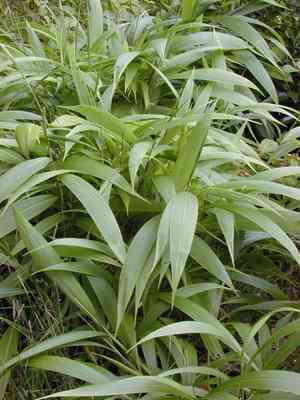
For palmgrass, the season when fresh growth emerges and the ground revitalizes – commonly referred to as spring – represents the ideal window for relocation, owing to moderate temperatures and favorable cultivation circumstances. Choose a location offering dappled light to replicate palmgrass's inherent forest floor environment. When relocating an established specimen, reduce root disruption to foster successful re-establishment.
What Preparations are Needed Before Transplanting Palmgrass?
What is the Ideal Time for Transplanting Palmgrass?
The best time to move palmgrass is during its spring revival, allowing roots to settle in mild conditions. Placing palmgrass in its new spot at this point ensures strong development, utilizing the season's balanced moisture and warmth. A friendly reminder: palmgrass thrives when moved during its natural spring growth cycle, setting the stage for a vibrant summer. Ensuring palmgrass establishes during this supportive phase guarantees a smooth transition and a lush future.
How Much Space Should You Leave Between Palmgrass Plants?
Make sure to provide palmgrass ample room to achieve its full size. A good guideline is to space your palmgrass roughly 2-3 feet (60-90 cm) apart. This way, your palmgrass receives all necessary nutrients and water without competing with other plants.
What is the Best Soil Mix for Palmgrass Transplanting?
Palmgrass thrives in soil that drains well, ranging from loamy to sandy. Preparing the soil is a crucial step. Use a balanced base fertilizer to boost soil nutrients. Adding a bit of organic compost is beneficial for extra support.
Where Should You Relocate Your Palmgrass?
Palmgrass enjoys abundant sunlight. Therefore, select a sunny location in your garden where it receives direct sun for at least 6-8 hours daily. Ensure it's not in an area where the sunlight becomes too intense, as this could potentially harm the palmgrass.
What Equipments Should You Prepare Before Transplantation Palmgrass?
Gardening Gloves
To protect your hands when handling soil and plants.
Trowel
Used for digging small holes and moving plants.
Shovel or Spade
Essential for excavating larger holes and extracting palmgrass from the ground.
Wheelbarrow
Useful for transporting the relocated palmgrass or displaced earth.
Watering Can/Hose
Needed for hydrating the palmgrass both before and after its relocation.
Garden Shears
These may be used to trim any diseased or damaged sections of the palmgrass.
How Do You Remove Palmgrass from the Soil?
How Do You Remove Palmgrass from the Soil?
From Ground: First, thoroughly water the palmgrass, which will moisten the soil and simplify the removal process. Afterward, begin digging around the plant with a shovel or spade, ensuring the root ball stays intact. Gradually work the spade beneath the root ball to lift the plant from its original spot.From Pot: Water the palmgrass well before moving it. Invert the pot while supporting the plant's base. Once the pot is off, gently loosen the soil around the roots without causing damage.From Seedling Tray: Water the tray thoroughly to ease the removal process. Then, carefully extract the palmgrass seedling by pushing it up from the tray's bottom or using a spoon or similar tool, taking extreme care not to harm the roots.
Step-by-Step Guide for Transplanting Palmgrass
Preparation
Prepare the new planting site. Dig a hole twice the width of the palmgrass's root ball, and equally deep. Loosen the soil at the base of the hole.
Removal
Follow the appropriate method outlined in the 'removal process' to extract your palmgrass based on its initial location.
Placement
Position the palmgrass in the new hole. Ensure the top of the root ball is level with the surrounding soil. If the palmgrass was potted, its original soil line should match the garden's soil level.
Backfill
Refill the hole, firming the soil as you proceed. Avoid pressing too hard, as this can compact the soil and hinder root growth.
Watering
Once the palmgrass is planted, water it thoroughly.
How Do You Care For Palmgrass After Transplanting?
Watering
Keep the soil around the palmgrass slightly damp, but not waterlogged, for the initial weeks post-transplant to help establish strong roots.
Pruning
If any parts of the palmgrass show signs of damage or disease after being moved, remove them immediately with your garden shears.
Monitoring
Closely observe your palmgrass for several weeks after transplanting. Look for any signs of stress, such as wilting or yellowing leaves. If needed, provide additional care and consult an expert.
Troubleshooting Common Issues with Palmgrass Transplantation.
When is the best time to transplant palmgrass?
The optimal period to move palmgrass is during the first to third season. This ensures the plant can better adapt to its new surroundings.
What is the optimal distance between each palmgrass when transplanting?
Ensure a gap of approximately 2-3 feet (60-90 cm) when relocating palmgrass. This provides sufficient space for each plant to grow without competing for resources.
What should I do if my palmgrass wilts after transplanting?
Wilting can sometimes indicate transplant shock. Keep the surrounding soil moist, but not saturated, to aid the plant's recovery and establishment in its new spot.
Why are the leaves of my transplanted palmgrass turning yellow?
Yellowing leaves may signal overwatering or inadequate drainage. Ensure your palmgrass is in well-draining soil and adjust watering based on its needs.
How deep should I plant palmgrass when transplanting?
Dig a hole twice as wide and as deep as the root ball. This will give your palmgrass ample room to develop new roots.
Do I need to prune palmgrass before transplanting?
Pruning is generally not required before moving palmgrass. However, removing dead or diseased foliage can lessen stress on the plant during its adjustment period.
Why isnât my transplanted palmgrass growing?
Plants often enter a dormant phase after being relocated. Continue with regular care, and over time, your palmgrass should resume growth.
Can I transplant palmgrass in any soil type?
Palmgrass prefers soil rich in organic matter. Poor soils can be improved with compost to boost fertility and enhance structure for better root development.
What signs indicate successful transplantation of palmgrass?
Successful transplantation typically shows new growth within a few weeks. If the palmgrass appears vibrant and is growing steadily, you've done well!
What size container is suitable for transplanting palmgrass?
Select a container that is at least twice the size of the palmgrass's current pot. This provides enough space for robust root development.



