How to Transplant Giant sequoia?
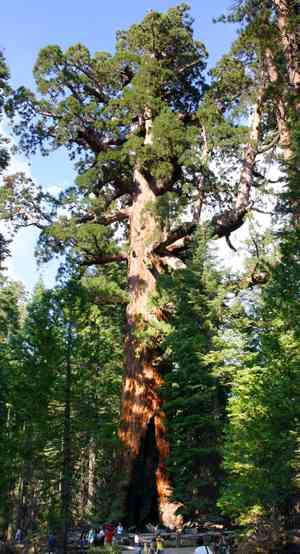
The ideal period for relocating giant sequoia is in the revitalizing early spring. Select a bright, adequately drained spot to foster robust development. Bear in mind that a bit of additional attention during the relocation process can enable giant sequoia to thrive splendidly.
Preparations Required Before Relocating Giant Sequoia?
Optimal Period for Relocating Giant Sequoia?
For giant sequoia, the ideal season for replanting is early spring. This timeframe, before new growth emerges, allows giant sequoia to adapt to its new environment, fostering robust development and improved survival rates. Consider it a fresh start for giant sequoia in its new home. You'll observe substantial progress as giant sequoia enters its active growth phase, benefiting from your timely relocation. The key is proactive planning for your plant's success!
Required Spacing Between Giant Sequoia Plants?
When transplanting giant sequoia, position each plant approximately 30-40 ft (9-12 m) apart. This provides ample room for them to grow and develop their impressive, broad canopies.
Best Soil Blend for Giant Sequoia Relocation?
Prepare well-draining, loamy soil for giant sequoia. Incorporate a foundational fertilizer, such as a slow-release granular product or aged compost, to supply vital nutrients and ensure a strong beginning.
Optimal Site for Relocating Your Giant Sequoia?
Select a location with full sun to partial shade for transplanting giant sequoia. They will flourish in areas receiving at least 6-8 hours of daily sunlight, promoting healthy and vigorous growth.
Equipment to Prepare Before Transplanting Giant Sequoia?
Shovel
Necessary for excavating the new planting hole for giant sequoia, and for digging up the plant from its original spot.
Gardening Gloves
To safeguard your hands while handling soil and the plant.
Wheelbarrow
Useful for moving the giant sequoia from its initial location to its new one, and for transporting any necessary soil amendments.
Watering Can
A versatile tool for hydrating the giant sequoia both before and after transplantation.
Stakes and Ties
If your giant sequoia is already substantial, these will help stabilize it in its new position.
Garden Shears
These will be useful for pruning any dead or damaged branches.
How to Extract Giant Sequoia from the Soil?
How to Extract Giant Sequoia from the Soil?
From Ground: First, water the giant sequoia plant to moisten the soil. Damp soil helps maintain the root ball's integrity, reducing the risk of root damage during removal. Use a shovel to dig a circle around the plant, wide enough to encompass its root system, and deep enough to get beneath the root ball. Then, carefully lift the plant from its original spot, striving to minimize stress on the roots.From Pot: Begin by thoroughly watering the giant sequoia to facilitate the unpotting process. Tilt or lay the pot on its side, then gently pull the plant out by its base. If it's stuck, tap the pot's sides to loosen it. Never tug or pull the plant by the stem to prevent injury.From Seedling Tray: It's crucial to handle seedlings with care as they are quite delicate. Use a pencil to push up from the bottom of the cell and gently lift the seedling by its leaves, not the stem. You should have a seedling with its soil and roots intact.
Step-by-Step Guide for Transplanting Giant Sequoia
Hole Preparation
Dig a hole that is approximately twice as wide and as deep as the giant sequoia's root ball. This extra space allows the roots to spread and become established.
Plant Insertion
Place the giant sequoia in the hole. The top of the root ball should be level with or slightly above the surrounding soil. It's vital that the plant is not set too low, as this could lead to trunk rot.
Backfilling
Carefully backfill the hole, ensuring you don't crush or break any roots during the process. Refill with the excavated soil and any amendments, if used.
Watering
Thoroughly water the giant sequoia after transplanting to help the soil settle and alleviate any shock from the relocation process.
Staking
If your giant sequoia is quite large, it will need staking to prevent it from toppling. Insert stakes into the ground and secure the tree to them with soft ties. Be gentle to avoid damaging the bark.
Post-Transplant Care for Giant Sequoia
Maintenance
Consistent care after transplanting aids giant sequoia in establishing itself in its new location. Ensure the tree is not dry and water it regularly. However, be cautious not to over-water giant sequoia, as this can lead to root rot.
Trimming
Prune any visibly dead, dying, or damaged branches after the transplant.
Mulching
Apply a layer of mulch around the base of giant sequoia to retain moisture and suppress weeds.
Monitoring
Observe the tree's health in the months following transplantation. Yellowing leaves or a leaning trunk can indicate transplant shock, which may necessitate additional care or adjustments.
Addressing Common Issues with Giant Sequoia Transplantation.
When is the best time to transplant giant sequoia?
The most favorable period to transplant giant sequoia is during early spring. This provides them with the best opportunity to establish before summer.
How much space is needed for planting giant sequoia?
To ensure ample growing area, significant spacing is essential. It should be approximately 30-40 ft (9-12 meters).
Is there a specific planting depth for giant sequoia?
Ensure giant sequoia is planted at the same depth it was growing in its original location. It's crucial to avoid planting too deep or too shallow.
Why isn't my transplanted giant sequoia growing?
It might be experiencing transplant shock. Ensure it is adequately watered and not exposed to extreme temperature fluctuations. Also, check for any signs of disease or insect infestation.
How to water giant sequoia after transplantation?
Make sure to thoroughly water giant sequoia immediately after transplantation, and maintain consistent moisture during its root establishment phase.
Do giant sequoia require specific soil conditions during transplanting?
Giant sequoia prefers well-drained soils. It's crucial to ensure the site does not become waterlogged, especially after heavy rainfall.
Are there any precautions to consider before transplanting giant sequoia?
Ensure there is sufficient spacing and access to sunlight. Avoid areas with extreme wind, and prepare the planting site by loosening the soil where you intend to transplant.
What can cause the leaf color of giant sequoia to change after transplanting?
This could be due to transplant shock, excessive sunlight, or a lack of essential nutrients. It's vital to keep the plant well-nourished and hydrated during its establishment period.
How to help giant sequoia recover from transplant shock?
Maintain a regular watering schedule, shield it from extreme temperatures, and refrain from fertilizing until it has fully recovered. Recovery may take several weeks or even months.
How to protect giant sequoia roots during transplanting?
Keep roots moist throughout the entire transplanting process. Avoid direct sun exposure, and minimize the time between digging out and ultimately planting the giant sequoia.



