How to Transplant Emperor's candlesticks?
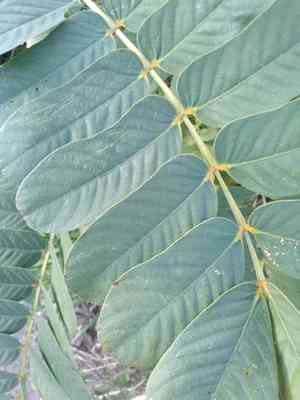
The ideal period for relocating emperor's candlesticks is from early to mid-spring, enabling the plant to develop robust root systems prior to the onset of summer warmth. To ensure peak development, select a site featuring soil that drains effectively and receives ample sunlight. Be sure to observe the plant's hydration levels and allocate sufficient room for its considerable dimensions.
What Preparations are Needed Before Transplanting Emperor's Candlesticks?
What is the Ideal Time for Transplanting Emperor's Candlesticks?
The best period for relocating emperor's candlesticks spans from early to mid-spring, a time when new development is ready to thrive. Choosing to transplant during this window ensures a healthy, quick, and successful establishment of emperor's candlesticks. By moving emperor's candlesticks in early to mid-spring, you will appreciate its abundant growth, enjoy its vibrant health, and observe the unmatched vigor it displays in its new environment.
How Much Space Should You Leave Between Emperor's Candlesticks Plants?
When moving your emperor's candlesticks, it's best to position them 12-18 inches (30-45 cm) apart. This will provide your plants with ample room to grow and flourish!
What is the Best Soil Mix for Emperor's Candlesticks Transplanting?
For your emperor's candlesticks, well-drained soil enriched with organic material and a foundational fertilizer, such as compost or aged manure, is perfect. This will help your plant develop strong roots and grow healthily.
Where Should You Relocate Your Emperor's Candlesticks?
Find a spot in your garden that receives full sun to partial shade for your emperor's candlesticks. They prefer at least 6 hours of sunlight daily, so ensuring they get the correct amount will help them grow beautifully.
What Equipments Should You Prepare Before Transplantation Emperor's Candlesticks?
Trowel
This tool is perfect for digging small holes where your emperor's candlesticks will be placed.
Garden Shovel
Useful for excavating the plant from its original spot.
Gardening Gloves
To safeguard your hands while handling the plant and soil.
Watering Can
To hydrate the plant before and after relocation.
Organic Mulch
This will help maintain moisture in the ground around your emperor's candlesticks.
Stakes and ties
To support the emperor's candlesticks as it grows after being moved.
How Do You Remove Emperor's Candlesticks from the Soil?
How Do You Remove Emperor's Candlesticks from the Soil?
From Ground: Start by lightly watering the emperor's candlesticks. This helps make the soil and roots more flexible. Loosen the soil around the root ball with a shovel, working carefully to avoid damaging the roots. Once all sides are loose, gently lift the root ball from the ground.From Pot: Turn the pot on its side and carefully ease out the emperor's candlesticks, taking care to keep the root ball intact. If the plant is stuck, you can tap the sides or bottom of the pot to loosen it.From Seedling Tray: Water the tray before you begin. Gently ease each emperor's candlesticks plant out of its cell, holding it by its leaves rather than the stem. Be gentle as young plants are quite delicate.
Step-by-Step Guide for Transplanting Emperor's Candlesticks
Site Preparation
Prepare the new location by removing any weeds and turning the soil over with a shovel to aerate it. Make sure the hole is wide and deep enough for your emperor's candlesticks's root ball.
Placing the Plant
Place the emperor's candlesticks in the hole. The top of the root ball should be even with the surrounding soil. Position the plant upright, aligning it with any nearby plants or structures.
Backfilling
Refill the hole with soil, pressing it gently around the base of the emperor's candlesticks to eliminate any air pockets.
Watering
Water the plant thoroughly immediately after transplanting.
Mulch Application
Apply a layer of organic mulch around the plant, leaving a small space around the stem. This will help to conserve moisture.
Staking
If the emperor's candlesticks is tall and slender, you may need to stake it to provide support as it grows.
How Do You Care For Emperor's Candlesticks After Transplanting?
Monitoring
Check on the emperor's candlesticks regularly to ensure it's flourishing. It should show signs of new growth in the coming weeks. Remove any dead or dying leaves to maintain plant health.
Watering
Consistent, deep watering is essential as the plant establishes itself. Make sure the soil remains uniformly moist.
Staking
Ongoing support may be necessary for the plant. Adjust the stakes and ties as needed, and ensure they are not cutting into the stem.
Mulching
Replenish the mulch as it decomposes to maintain its benefits.
Troubleshooting Common Issues with Emperor's Candlesticks Transplantation.
When is the best time to transplant emperor's candlesticks?
The optimal period for rehousing emperor's candlesticks is from early to mid-spring. This helps the plant establish a healthy and robust root system before summer.
How much space should be left between each emperor's candlesticks during transplanting?
Ample room is vital, so ensure each emperor's candlesticks has a distance of about 12-18 inches (30-45 cm) apart. This encourages healthy growth and prevents overcrowding.
What should I do if the leaves of emperor's candlesticks turn yellow after transplanting?
Yellow leaves often indicate overwatering. Try reducing the amount of water and observe if the situation improves. Also, ensure proper drainage.
Why is my transplanted emperor's candlesticks not growing?
Emperor's candlesticks may struggle if not planted correctly. Ensure root balls are fully buried and there is sufficient sunlight. Limit water in the initial weeks to encourage rooting.
Does emperor's candlesticks need any special soil for transplanting?
Emperor's candlesticks thrives in well-draining soil enriched with organic matter. If possible, enhance the soil's fertility with compost before transplanting for optimal results.
How deep should the holes be when transplanting emperor's candlesticks?
Holes should be twice the width of the root ball and deep enough to cover it. Typically, around 10 inches (25 cm) will suffice.
How frequently should I water emperor's candlesticks after transplanting?
Keep the soil consistently moist initially after transplanting. Gradually reduce watering as the plant establishes. Excessive watering can lead to root rot.
Can I transplant emperor's candlesticks in the summer?
While possible, it's not recommended as summer's heat can cause additional stress. If necessary, provide shade and water generously for a few weeks.
Why does emperor's candlesticks droop after transplanting?
Transplant shock can cause drooping. Maintain a steady watering schedule, placing emperor's candlesticks in a partial shade location while it recovers.
What should be done if emperor's candlesticks becomes leggy after transplanting?
Leggy plants often lack sufficient sunlight. Ensure that emperor's candlesticks is placed in a location with adequate light, promoting bushier growth.



