How to Transplant Common houseleek?
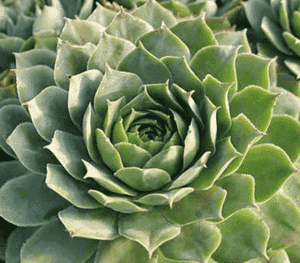
To achieve optimal outcomes, relocate common houseleek between mid-spring and early summer. Select a site featuring permeable soil and ample sun exposure. Carefully disentangle the root mass before moving, facilitating a successful transition for the specimen.
What Preparations are Needed Before Transplanting Common Houseleek?
What is the Ideal Time for Transplanting Common Houseleek?
The optimal period to relocate common houseleek is from mid-spring through early summer. This timeframe offers prime temperatures and ground conditions for robust development, making it the perfect season to guarantee a thriving common houseleek in your garden.
How Much Space Should You Leave Between Common Houseleek Plants?
To ensure your common houseleek plant develops healthily, position transplants approximately 6-9 inches (15-23 cm) apart. This will provide ample room for them to expand and flourish without competing for resources.
What is the Best Soil Mix for Common Houseleek Transplanting?
Your common houseleek plant prefers a well-draining soil blend, such as a combination of sand, peat, and perlite. Before transplanting, enrich the planting area with a slow-release, balanced fertilizer to establish a good nutrient base.
Where Should You Relocate Your Common Houseleek?
When moving your common houseleek plant, select a spot that receives full sun or partial shade for optimal growth. This adaptable plant can endure various light conditions, so don't fret if your garden isn't perfectly sunny all day!
What Equipments Should You Prepare Before Transplantation Common Houseleek?
Garden Trowel
To excavate the planting hole and create space for common houseleek in the ground.
Gardening Gloves
To safeguard your hands while handling the soil and plant.
Watering Can
To gently hydrate the plant both prior to and following transplantation.
Gardening Shears
For trimming the common houseleek if necessary, to stimulate new growth after transplanting.
Measuring Tape
To ensure precise spacing between common houseleek plants if planting multiple.
Organic Compost
To enrich the new planting site with essential nutrients.
How Do You Remove Common Houseleek from the Soil?
How Do You Remove Common Houseleek from the Soil?
- From Ground:First, moisten the common houseleek plant by watering the soil, which facilitates easier digging. Next, use the garden trowel to carefully dig around the plant, ensuring no damage to the roots. Once the plant is loose, gently lift it from the ground by its base, aiming to keep the root ball as intact as possible.- From Pot:Begin by watering the common houseleek plant. Then, tip the pot sideways and lightly tap it to loosen the soil. Hold the plant at its base and carefully pull it out. If the plant is stuck, you may need to run a knife along the inner edge of the pot to free the roots.- From Seedling Tray:Water the common houseleek seedlings thoroughly. To extract a seedling, push up from the tray's bottom. Hold the seedling by its leaves (not the stem), and gently separate the roots if they are intertwined.
Step-by-Step Guide for Transplanting Common Houseleek
Preparation
Begin by preparing the new planting site. The hole should be approximately twice the width of the root ball and of equal depth. Use your garden trowel to dig the hole and incorporate some organic compost into its base.
Transplanting
Position the common houseleek plant in the hole, ensuring it sits at the same depth as it did in its original container. Backfill the hole with soil, gently firming it around the plant's base.
Watering
Thoroughly water the plant using a watering can, saturating the area to ensure the roots establish good contact with the new soil.
How Do You Care For Common Houseleek After Transplanting?
Monitoring
Closely observe your newly transplanted common houseleek for several weeks. Watch for indications of transplant shock, such as wilting or yellowing foliage, and ensure the plant receives appropriate moisture levels.
Pruning
If your common houseleek exhibits signs of stress, like brown or wilting leaves, do not hesitate to trim these parts. This will encourage fresh growth and help the plant focus its energy on root establishment.
Watering
For the initial weeks post-transplant, keep the soil moist but not waterlogged. As common houseleek is a succulent, it's crucial to allow the soil to dry out between watering sessions to prevent root rot.
Weather Protection
Attempt to provide some shade for the common houseleek for a few days after transplanting, especially if the weather is particularly warm. This can assist the plant in adapting to its new location without being stressed by extreme conditions.
Troubleshooting Common Issues with Common Houseleek Transplantation.
When is the best time to transplant common houseleek?
Relocate common houseleek during mid-spring to early summer, when the plant is actively growing and can recover quickly.
What is the ideal spacing for common houseleek during transplant?
Maintain a distance of 6-9 inches (15-23 cm) between common houseleek plants, allowing them ample room to grow and spread.
How should I prepare the soil for common houseleek transplant?
Select well-draining soil, incorporate some organic material, and ensure it remains damp (not soggy) for successful transplanting.
How deep and wide should the transplant hole be?
Excavate a hole roughly twice the width and depth of common houseleek's root ball, ensuring the plant will fit comfortably.
How can I minimize transplant shock for common houseleek?
Water the plant thoroughly before relocation, transfer it gently, and provide consistent care after the process.
Should I prune common houseleek before transplanting?
Yes, trim any dead or damaged leaves and roots to promote healthy growth and prevent disease spread.
How should I water common houseleek after transplant?
Water common houseleek deeply and consistently, keeping it moist but not saturated. Monitor soil conditions to avoid overwatering.
Do I need to fertilize common houseleek during transplant?
Yes, mix a slow-release, balanced fertilizer into the soil to support healthy root development and overall growth.
How much sunlight should common houseleek receive?
Common houseleek thrives in full sun to partial shade; ensure it gets at least 6 hours of sunlight daily.
What should I do if my transplanted common houseleek shows yellow leaves?
Yellow leaves may indicate overwatering or nutrient deficiency. Adjust watering and apply a balanced fertilizer to aid recovery.



