How to Transplant Peacock moss?
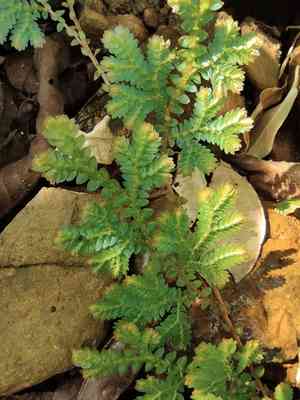
For peacock moss, the ideal period for relocation is from late spring through mid-summer, as this promotes vigorous development. Select a shaded spot with damp earth and slowly acclimate the peacock moss to avoid transplant stress.
What Preparations are Needed Before Transplanting Peacock Moss?
What is the Ideal Time for Transplanting Peacock Moss?
The optimal period to plant peacock moss is from late spring through mid-summer. Moving them during this timeframe ensures that moderate temperatures and consistent daylight aid root development and reduce transplant shock. This timing allows peacock moss to thrive, utilizing the growing season to establish itself before colder weather arrives. By transplanting within this window, gardeners promote vigorous growth, guaranteeing peacock moss becomes a robust and vibrant addition to their green spaces.
How Much Space Should You Leave Between Peacock Moss Plants?
When getting ready to transplant peacock moss, remember to provide ample room for each plant to expand. Position them approximately 1 foot (about 30.5 cm) apart. This spacing will allow them to mature and spread their fronds comfortably.
What is the Best Soil Mix for Peacock Moss Transplanting?
For peacock moss, select a well-draining, slightly acidic soil. To enhance it, incorporate a base fertilizer rich in organic matter. Compost or well-rotted manure would work well. This will supply essential nutrients for healthy development.
Where Should You Relocate Your Peacock Moss?
Select a spot that receives partial to full shade. Peacock moss does not require direct sunlight all day. An area with bright but indirect light, such as beneath a tree or on a shaded patio, would be perfect. Shield these small plants from excessive sun!
What Equipments Should You Prepare Before Transplantation Peacock Moss?
Gardening Gloves
Crucial for safeguarding your hands from cuts or blisters while handling soil and root systems.
Trowel
Will be useful for digging into the soil, particularly when removing plants from small nursery bags, pots, or garden beds.
Spade or Shovel
Perfect for creating a hole in the ground where peacock moss will be relocated.
Pruning Shears
Helpful for trimming the plant if necessary. Ensure they are sharp and sanitized to encourage healthy growth after transplant.
Watering Can or Hose
Essential for hydrating the plant before and after transplant.
Mulch
Assists in retaining moisture in the soil surrounding the newly transplanted plant.
How Do You Remove Peacock Moss from the Soil?
How Do You Remove Peacock Moss from the Soil?
From Ground: First, water the peacock moss plant to soften the earth. Dig a circular trench around the plant using your spade, making sure it's wider than the plant's leaf spread. Carefully lift the root ball with the spade, taking as much soil as possible to minimize root disturbance.From Pot: Water the peacock moss plant an hour or two before removal. Turn the pot sideways, gently hold the plant by its base, and tap the bottom of the pot until the plant slides out. Be careful not to pull the plant out by its stems.From Seedling Tray: Water the tray thoroughly before transplanting. Push the seedling up from the bottom, then gently hold the peacock moss plant by its leaves (never by the stem) to lift it out.
Step-by-Step Guide for Transplanting Peacock Moss
Preparation
Dig a hole in your chosen spot that is twice the width and depth of peacock moss's root ball. Gently place the plant in the hole, ensuring it sits at the same level as it was in its original container.
Filling
Backfill the hole with soil gently but firmly. Avoid pressing too hard, as this can compact the soil, hindering root expansion.
Watering
Once peacock moss is in position, water the area thoroughly. This will help settle the soil around the roots.
Mulching
Add a layer of mulch around the base of the plant, but keep it from touching the stem. This helps the soil retain moisture and regulate temperature.
How Do You Care For Peacock Moss After Transplanting?
Watering
Keep the soil around peacock moss moist, but not waterlogged, for a few weeks after transplant to ensure the roots establish well in their new environment.
Pruning
If the plant shows any signs of distress, such as wilting or yellowing leaves, do not worry. Trim these parts off to allow the plant to direct energy towards new growth.
Monitoring
Regularly inspect peacock moss for indications of pests or diseases. Early detection is crucial for maintaining a healthy plant.
Patience
Remember, plants may need time to adapt to their new surroundings. As long as you care for it properly, peacock moss will flourish in its new home!
Troubleshooting Common Issues with Peacock Moss Transplantation.
When's the best time to transplant peacock moss?
The ideal season to transplant peacock moss is during late summer through fall (equivalent to 'S3-S5'). That's when they establish roots most effectively.
What's the requisite spacing between each peacock moss plant when transplanting?
Ensuring enough room for growth is important, so, aim for approximately 1 foot (0.3 meters) of space between each peacock moss.
What should I consider regarding the soil preparation for peacock moss transplant?
Preparing rich, well-drained soil is crucial. Loosen the soil about 1 foot (0.3 meters) deep and remove any weeds or stones.
How deep should the hole be for peacock moss transplant?
For transplanting peacock moss, the hole should be twice the width and the same depth as the pot it's currently in.
What should be done immediately after transplanting peacock moss?
Once transplanted, water peacock moss thoroughly to establish contact between roots and the new soil. Avoid waterlogging though.
Are there any specific watering tips after transplanting peacock moss?
Absolutely! Keep peacock moss moist, not water-logged. Watering once a week should be sufficient, but adjust based on weather conditions.
Should peacock moss be fertilized immediately after transplanting?
Avoid fertilizing peacock moss immediately after planting. Wait until you see new growth, which signifies the plant has adapted to its new spot.
Does peacock moss need sunlight immediately after transplant?
Peacock moss loves indirect sunlight. After transplanting, place it in a spot with filtered sun or shade to prevent the leaves from scorching.
How to care for peacock moss after transplanting for the first few weeks?
Make sure peacock moss is getting suitable light and water. Check for signs of stress, such as wilting or yellowing leaves, and adjust care accordingly.
What are the signs that peacock moss has successfully adapted to its new environment after transplanting?
The emergence of new growth is a sign that peacock moss has successfully transplanted. It's also a cue to begin a regular feeding schedule.



