How to Transplant Broadleaf stonecrop?
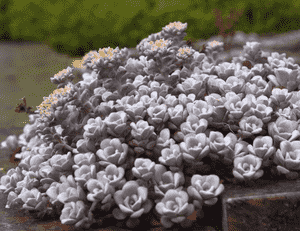
To achieve optimal outcomes, relocate broadleaf stonecrop from the beginning to the end of spring, a time when the plant exhibits robust development. Select a site featuring soil that drains effectively and receives abundant sunlight. Handle with care during the transplanting process to safeguard the delicate root system.
What Preparations are Needed Before Transplanting Broadleaf Stonecrop?
What is the Ideal Time for Transplanting Broadleaf Stonecrop?
Relocating broadleaf stonecrop from early to late spring is optimal, as this period is characterized by high regenerative energy. Establishing it during this timeframe ensures peak development. The moderate temperatures and extended daylight of this season foster robust root growth and overall plant vigor.
How Much Space Should You Leave Between Broadleaf Stonecrop Plants?
For broadleaf stonecrop, it's best to provide ample room for growth. Aim for a separation of approximately 6-8 inches (15-20 cm) between each plant when moving them.
What is the Best Soil Mix for Broadleaf Stonecrop Transplanting?
Select a soil mixture that drains effectively for broadleaf stonecrop. Incorporating organic material, such as compost or aged manure, will establish an excellent soil foundation. A balanced slow-release fertilizer can also be added to support healthy development.
Where Should You Relocate Your Broadleaf Stonecrop?
Ensure you select a sunny location for broadleaf stonecrop, as it thrives in sunlight. Ideally, find a spot where it can receive full sun or at least 6 hours of direct sunlight daily. This will guarantee a flourishing, content plant.
What Equipments Should You Prepare Before Transplantation Broadleaf Stonecrop?
Gardening Gloves
To safeguard your hands while handling soil and broadleaf stonecrop.
Shovel or Spade
For excavating broadleaf stonecrop from its original spot or creating holes in your new planting area.
Gardening Trowel
To assist in lifting broadleaf stonecrop from containers without harming the plant or its root system.
Watering Can
To hydrate the broadleaf stonecrop both before and after its relocation.
Pruning Shears
For trimming away any dead foliage or stems on the broadleaf stonecrop prior to transplanting.
Gardening Knife
Useful for dividing broadleaf stonecrop if it's very large or for cutting through tough roots.
Wheelbarrow
For transporting broadleaf stonecrop and any soil, especially if the broadleaf stonecrop is substantial in size and weight.
How Do You Remove Broadleaf Stonecrop from the Soil?
How Do You Remove Broadleaf Stonecrop from the Soil?
From Ground: Begin by watering the broadleaf stonecrop several hours before you intend to move it; this softens the soil and reduces root damage. Use your shovel or spade to dig a circle around the broadleaf stonecrop, at least 6 inches from the stems, to preserve as much of the root system as possible. Gently dig beneath the root ball and lift the plant from the hole.From Pot: Water the broadleaf stonecrop thoroughly and allow it to drain completely. Invert the pot while holding your hand on the soil surface with the stems between your fingers. Gently jiggle the pot until the broadleaf stonecrop slides out, holding it by the root ball to prevent plant damage.From Seedling Tray: Moisten the soil completely; this will facilitate easy removal of the seedling without harm. Use a trowel or your fingers to lift the broadleaf stonecrop seedling from below, ensuring as much of the root remains intact as possible.
Step-by-Step Guide for Transplanting Broadleaf Stonecrop
Preparation
Once you have selected the site and extracted the broadleaf stonecrop from its initial location, use your shovel or spade to dig a hole that is twice the width of the broadleaf stonecrop's root ball and of equal depth.
Placing the Plant
Position the broadleaf stonecrop in the hole, ensuring that the top of its root ball is level with the ground surface. Adjust the soil beneath if necessary.
Backfilling the Hole
Fill in the area around the broadleaf stonecrop with the excavated soil. Lightly press the soil to eliminate air pockets, but be careful not to compact it excessively, allowing roots to expand easily.
Watering
Provide the broadleaf stonecrop with a thorough watering immediately after planting to settle the soil. Avoid wetting the leaves and stems to prevent rot.
How Do You Care For Broadleaf Stonecrop After Transplanting?
Generally-Care
Broadleaf stonecrop is a quite resilient plant; it is drought-tolerant and thrives in sun but can also endure partial shade.
Watering
Once established, broadleaf stonecrop will only require watering during dry spells. Remember to water the soil directly, not the plant itself.
Pruning
Effective pruning will ensure your broadleaf stonecrop remains healthy and vibrant. Regularly remove any dead or dying leaves and stems.
Dividing
Broadleaf stonecrop tends to become overcrowded over time. To prevent this and encourage growth, divide the broadleaf stonecrop every few years in early spring or autumn.
Troubleshooting Common Issues with Broadleaf Stonecrop Transplantation.
When is the best time to transplant broadleaf stonecrop?
The optimal period to transplant broadleaf stonecrop is from the beginning of spring through late spring, as the weather begins to warm.
What should be the ideal spacing between broadleaf stonecrop plants?
Allow broadleaf stonecrop plants approximately 6-8 inches (15-20 cm) of space. This ensures sufficient room for each plant to develop and flourish.
How do I prepare the soil for transplanting broadleaf stonecrop?
Ensure the soil is well-draining. You can enhance it by adding perlite or sand. Broadleaf stonecrop prefers a pH that is slightly acidic, neutral, or slightly alkaline.
What is the right depth to plant broadleaf stonecrop after transplanting?
When transplanting broadleaf stonecrop, the top of the root ball should be flush with the soil surface. Planting it too shallow or too deep could hinder its growth.
How often should I water broadleaf stonecrop after transplanting?
Water broadleaf stonecrop just enough to maintain slightly moist soil for the initial couple of weeks. Afterward, broadleaf stonecrop can withstand brief periods of drought.
How do I promote root establishment for broadleaf stonecrop post-transplant?
Minimize movement or handling of broadleaf stonecrop and keep it adequately watered until it establishes. Consider using a root stimulator to encourage root development.
What kind of sunlight does broadleaf stonecrop need after transplanting?
Broadleaf stonecrop thrives in full sun exposure, so ensure it is positioned where it can receive 6 to 8 hours of sunlight daily.
What should I do if broadleaf stonecrop shows signs of transplant shock?
Prune back the broadleaf stonecrop by 1/3 to aid recovery from transplant shock. Minimize any further disturbance, ensure proper hydration, and shield it from intense sunlight.
Can I use fertilizers after transplanting broadleaf stonecrop?
Yes, but wait for 3-4 weeks post-transplant. Then, apply a slow-release granular fertilizer specifically formulated for perennials. Always adhere to the package directions.
Why are the leaves of my transplanted broadleaf stonecrop turning yellow?
This could be due to excessive watering or inadequate drainage. Broadleaf stonecrop prefers slightly dry soil, so reduce watering and ensure the soil drains effectively.



