How to Transplant Carpet sedum?
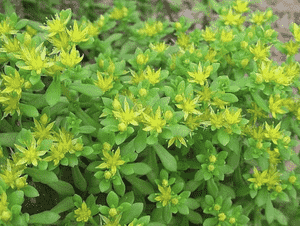
The most suitable period for relocating carpet sedum is from mid-spring to early summer, enabling the plant to develop its root system prior to the onset of extreme temperatures. For optimal outcomes, select a site with good drainage and dappled sunlight. Carefully separate the root mass during transplantation to foster robust development.
What Preparations are Needed Before Transplanting Carpet Sedum?
What is the Ideal Time for Transplanting Carpet Sedum?
Moving your carpet sedum is best from mid-spring through early summer. This prime period allows carpet sedum to establish robust growth. Transplanting during this timeframe utilizes warmer temperatures and increased daylight to promote development and root anchoring before winter dormancy. Capitalize on nature's cycles for carpet sedum!
How Much Space Should You Leave Between Carpet Sedum Plants?
When relocating carpet sedum, it's crucial to provide each plant ample room to expand. Position them approximately 4-6 in. (10-15 cm) apart to ensure sufficient area for root development and flourishing.
What is the Best Soil Mix for Carpet Sedum Transplanting?
For carpet sedum to thrive, prepare a well-draining soil blend comprising equal parts sand and compost, and incorporate a slow-release granular fertilizer at planting. This will furnish a nutrient-rich environment for your plant.
Where Should You Relocate Your Carpet Sedum?
Place carpet sedum in an area that receives full sun to partial shade, ensuring it gets at least 6 hours of sunlight daily to support vigorous growth and healthy foliage. This will help your plants prosper.
What Equipments Should You Prepare Before Transplantation Carpet Sedum?
Gardening Gloves
To safeguard your hands while handling soil and extracting the plant from its original spot.
Trowel
A small gardening implement useful for digging and relocating carpet sedum plant.
Spade
A larger implement for excavation, particularly when removing the plant from the ground.
Garden Fork
Beneficial for loosening the soil around the root system prior to digging.
Watering Can
To hydrate the plant, both before and after its relocation.
Mulch
This can be applied to safeguard the plant post-transplanting, aiding in soil moisture retention and weed suppression.
A New Planting Location
A suitable spot identified in your garden for carpet sedum.
How Do You Remove Carpet Sedum from the Soil?
How Do You Remove Carpet Sedum from the Soil?
From Ground: First, lightly water the carpet sedum plant to moisten the soil, which will facilitate digging and minimize root damage. Then, using a garden fork, carefully loosen the soil surrounding the plant, maintaining a reasonable distance to avoid harming any roots. Once the ground is loose, use a spade to dig around the plant and its deep roots to lift it out, ensuring the root ball remains intact.From Pot or Planter: Submerge the potted carpet sedum in water for a few minutes, then tilt the plant on its side and gently tap the pot's edges to dislodge it. Hold the plant's base and carefully wiggle it free. Avoid pulling on the plant's stem to prevent breakage.From Seedling Tray: Utilize a small trowel or spoon to scoop beneath the seedling to lift it. Exercise caution to avoid damaging the delicate roots during this process.
Step-by-Step Guide for Transplanting Carpet Sedum
Preparation
Clear the new planting site, removing any weeds. Excavate a hole wide and deep enough to comfortably accommodate the carpet sedum's root ball. The hole should be as deep as the plant was previously growing.
Placement
Now, position the carpet sedum in the new hole. The top of the root ball should be level with or slightly elevated above the surrounding soil to account for settling.
Backfilling
Carefully refill the hole with soil, gently firming it around the roots to eliminate any air pockets.
Watering
Thoroughly water the plant to establish contact between the root ball and the soil. Wait until the water has drained, then add more soil if necessary, to ensure the plant is securely in place.
Mulching
Apply a layer of mulch around the plant, leaving some space near the stem to prevent rot.
How Do You Care For Carpet Sedum After Transplanting?
Water Regimen
The carpet sedum should be watered immediately after transplanting, ensuring the water penetrates deeply into the soil to the root zone. For the subsequent weeks, maintain a consistent watering schedule, keeping the soil moist but not saturated to prevent root rot.
Pruning
Trim any damaged or excessively long branches to encourage healthier growth and aid the plant's re-establishment in its new location.
Monitoring
Regularly inspect the carpet sedum for any indications of stress such as wilting, yellowing leaves, or stunted growth, which may signal an issue requiring your attention.
Troubleshooting Common Issues with Carpet Sedum Transplantation.
When is the best time to transplant carpet sedum?
The optimal period to relocate carpet sedum is typically mid-spring to early summer. This timeframe offers an excellent balance of temperature and humidity for the plant.
What is the ideal spacing for carpet sedum during transplantation?
Ensure a suitable gap between plants, ideally 4-6 inches (10-15 cm). This provides ample room for the carpet sedum to expand and flourish without competition.
How do I prep the hole for transplantation of carpet sedum?
Ensure the hole is twice the width of the plant's root ball and equally deep. This allows sufficient space for the roots of carpet sedum to settle and grow comfortably.
What's the best soil-type for transplanting carpet sedum?
Carpet sedum thrives in well-drained soil. Incorporating organic matter before transplanting can significantly boost the soil's fertility and enhance the plant's health.
How much watering is required during transplantation of carpet sedum?
Water carpet sedum thoroughly after transplanting. Afterward, maintain a moderate watering schedule until the plant is well-established. Ensure the soil is moist, but not waterlogged.
How do I monitor the sunlight exposure for carpet sedum during transplantation?
Carpet sedum prefers full sun to partial shade. While ensuring this, regularly observe the plant's condition. Browning or yellowing can indicate excessive sun exposure.
Why are the leaves of my transplanted carpet sedum turning yellow?
Yellow leaves could suggest either overwatering or too much sunlight. Ensure the soil drains well and adjust the plant's location for optimal light exposure.
Why isn't my transplanted carpet sedum showing any signs of growth?
If carpet sedum shows no signs of growth, it might be due to insufficient sunlight or nutrient-deficient soil. Check these conditions and make necessary adjustments.
How should I care for carpet sedum after transplanting?
Water judiciously, ensuring soil is moist but not waterlogged. Place it in a location with full sun to partial shade, and monitor for any signs of distress.
What if the roots of carpet sedum are damaged during transplantation?
If roots sustain damage during transplantation, trim them back slightly. This encourages new root growth and helps carpet sedum establish in its new location more quickly.



