How to Transplant Goldmoss stonecrop?
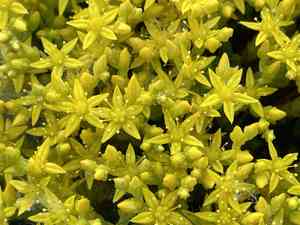
The optimal period for relocating goldmoss stonecrop spans from mid-spring to late spring, providing sufficient opportunity for the plant to anchor its root system prior to the summer's warmth. Select a site with good drainage and complete sun exposure. Carefully untangle the roots during transplantation to facilitate improved settling. Enjoy your gardening!
What Preparations are Needed Before Transplanting Goldmoss Stonecrop?
What is the Ideal Time for Transplanting Goldmoss Stonecrop?
The optimal period to relocate goldmoss stonecrop is from mid-spring through late spring. This timeframe ensures the goldmoss stonecrop benefits from suitable temperatures and rainfall for robust development. Moving goldmoss stonecrop during these months promotes stronger root establishment and enhanced nutrient uptake, leading to a vibrant and full appearance all year.
How Much Space Should You Leave Between Goldmoss Stonecrop Plants?
When moving goldmoss stonecrop, it's crucial to provide ample room for each plant to expand. Aim for a separation of approximately 6-12 inches (15-30 cm) between them, which should allow for healthy growth.
What is the Best Soil Mix for Goldmoss Stonecrop Transplanting?
For goldmoss stonecrop, highly permeable soil is vital. Consider a blend of loam, sand, and peat moss to create an optimal growing medium. To provide an additional boost, incorporate a slow-release granular fertilizer as per package directions. This will help goldmoss stonecrop establish successfully!
Where Should You Relocate Your Goldmoss Stonecrop?
Sunlight is crucial for goldmoss stonecrop, so select a spot that receives full sun to partial shade. Aim for at least 6 hours of direct sunlight daily to ensure vigorous growth. Happy transplanting!
What Equipments Should You Prepare Before Transplantation Goldmoss Stonecrop?
Gardening Gloves
To safeguard your hands from thorns or rough soil when handling goldmoss stonecrop.
Shovel or Spade
You'll need this tool to excavate the current site of goldmoss stonecrop and to create a new hole in the chosen location.
Pruning Shears
For trimming any dead or damaged roots of goldmoss stonecrop.
Watering Can or Hose
Essential for hydrating goldmoss stonecrop both before and after its relocation.
Wheelbarrow (Optional)
Useful for transporting goldmoss stonecrop, especially if it's large, from one spot to another without harming the plant or straining your back.
How Do You Remove Goldmoss Stonecrop from the Soil?
How Do You Remove Goldmoss Stonecrop from the Soil?
From Ground: Thoroughly water the goldmoss stonecrop to loosen the soil and minimize plant stress. Using a shovel or spade, dig a wide circle around the plant, being careful not to harm the root system during excavation. Gently lift the goldmoss stonecrop from its spot, preserving as much of the root ball as possible.From Pot: Water goldmoss stonecrop about an hour prior to the move, as moist soil facilitates easier plant removal. Invert your pot while holding your hand on the soil, with the goldmoss stonecrop stem between your fingers. Tap the pot once or twice; the plant should slide out into your hands.From Seedling Tray: Water the tray well before relocating goldmoss stonecrop. Gently squeeze the bottom of the cell or use a small utensil like a spoon or fork to carefully lift the plant out, taking care not to damage the roots or stem.
Step-by-Step Guide for Transplanting Goldmoss Stonecrop
Preparation
The day before relocation, water goldmoss stonecrop thoroughly. This helps prevent shock during the transplanting process.
Excavation
Dig a new hole that is twice as wide and deep as the root ball of goldmoss stonecrop. This allows the roots to expand in a loose, comfortable soil environment.
Placement
Position the goldmoss stonecrop in the hole. Verify the plant's depth by ensuring the top of the roots is level with or slightly above the ground surface.
Filling
Gradually backfill the hole with soil, gently firming it around the base of goldmoss stonecrop to keep it upright.
Watering
Water goldmoss stonecrop generously immediately after transplanting to settle the soil around the roots and aid its recovery from the move.
How Do You Care For Goldmoss Stonecrop After Transplanting?
Watering
Water goldmoss stonecrop right after transplanting and keep the soil slightly moist for a few weeks. This assists the plant in recovering and establishing in its new location.
Disease Prevention
Monitor for indications of transplant shock, such as wilting, yellowing, or shedding leaves. If these signs appear, goldmoss stonecrop might need more shade, humidity, or specific attention.
Pruning
Trim any damaged or dead parts of goldmoss stonecrop after one or two weeks. This enables the plant to direct its energy towards new growth.
Troubleshooting Common Issues with Goldmoss Stonecrop Transplantation.
When is the optimal period for transplanting goldmoss stonecrop?
The best time to relocate goldmoss stonecrop is from the middle of the spring season until its conclusion.
What is the ideal space needed between each goldmoss stonecrop during transplanting?
Ensure a gap of approximately 6-12 inches (15-30 cm) between each goldmoss stonecrop. This promotes healthy development.
What do I do if my transplanted goldmoss stonecrop doesn't seem to be thriving?
Confirm that your goldmoss stonecrop receives adequate sunlight, sufficient watering, and is planted in well-drained soil. These optimal conditions should encourage its growth.
Why are the leaves of my goldmoss stonecrop turning yellow after transplanting?
Yellowing leaves might indicate overwatering. Maintain a moderate watering schedule as goldmoss stonecrop prefers dry to average moisture levels.
Can goldmoss stonecrop be transplanted during summer or winter?
It is not recommended. Goldmoss stonecrop prefers to be transplanted from the middle to the latter part of the spring season.
How deep should I plant goldmoss stonecrop when transplanting?
Plant goldmoss stonecrop in a hole that matches the depth of its current root ball. This provides its roots ample space to grow and establish.
After transplantation, my older goldmoss stonecrop appears to be wilting. What could be the cause?
Wilting may be due to transplant shock. Be patient, ensure proper care, and allow it time to recover.
What kind of soil should be used for transplanting goldmoss stonecrop?
Goldmoss stonecrop thrives in well-drained soil. Ideally, sandy or gravelly soil can be used to achieve effective drainage.
The leaves of my goldmoss stonecrop are shrivelling post-transplant. What should I do?
Shrivelled leaves could signal a lack of water. While goldmoss stonecrop prefers drier conditions, ensure it is adequately, but not excessively, hydrated.
Can goldmoss stonecrop withstand transplantation in a container?
Absolutely! Goldmoss stonecrop can flourish in a container, provided it receives sufficient sunlight, is watered correctly, and the container offers proper drainage.



