How to Transplant Chayote?
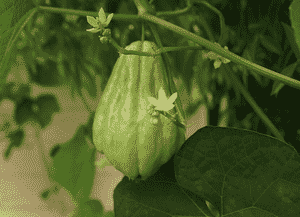
Carefully place chayote in its designated location once the earth has warmed, usually from the beginning of spring until mid-summer. Select a bright area with soil that drains effectively. When cultivating several plants, allow sufficient room for their expansive development.
Essential Preparations Before Relocating Chayote?
When is the Best Time to Move Chayote?
The optimal period for relocating chayote is during the warmth of late spring to early summer. This timeframe offers an ideal combination of mild temperatures and extended daylight, providing chayote with an excellent start. Moving chayote during this phase can enhance root establishment and growth, paving the way for a plentiful harvest. As a helpful tip, gently place chayote in nourishing soil once the frost has departed, giving it the welcoming environment needed to flourish.
What Distance Should Be Maintained Between Chayote Plants?
Ensure your chayote has ample room! Aim to position each plant approximately 3-4 feet (90-120 cm) apart. This is crucial because these plants tend to spread extensively and require significant space for proper development.
What is the Optimal Soil Blend for Chayote Relocation?
Prepare your soil prior to planting your chayote. They thrive in fertile, well-drained soil. Utilize a premium garden soil mix as your foundation and incorporate some organic compost to enrich the soil.
Where Should You Replant Your Chayote?
Select a sunny location for your chayote! They prefer receiving at least 5-6 hours of sunlight daily. If the area offers full sun, that's even better. This plant favors warm and bright conditions for optimal growth!
What Tools Should You Prepare Before Moving Chayote?
Gardening Gloves
To safeguard your hands while handling soil and plants.
Garden Shovel
To excavate the chayote plant and create a new planting site.
Garden Spade
For refining the hole and clearing smaller stones around it.
Watering Can
To hydrate the plant before, during, and after relocation.
Garden Compost
To supply nutrients to the chayote plant in its new spot.
Stakes and Garden Tie/String
To support the chayote vines as they develop and keep them off the ground.
How Do You Extract Chayote from the Ground?
How Do You Extract Chayote from the Ground?
From Ground: Begin by thoroughly watering the chayote plant to moisten the soil. Using a shovel, dig a circular trench around the plant, being careful not to harm the roots while extracting as much of the root ball as possible. Attempt to work the spade beneath the root ball and gently lift the plant from the ground.From Pot: If your chayote is in a container, water it well before moving. Invert the pot carefully and tap the rim on a firm surface to loosen the soil. Grasp the plant by its base and pull gently. If it doesn't slide out, use a trowel to loosen the soil around the inner edge and try again.From Seedling Tray: Water thoroughly and allow the soil to absorb the moisture. Gently hold the chayote seedling by its leaves (not stem) and use a small utensil like a spoon or spork to loosen the soil around its roots. Lift it out with care and ensure prompt transfer to prevent the roots from drying out.
Step-by-Step Guide for Relocating Chayote
Preparation
Clear the area of any debris and dig a hole at the chosen spot. The hole should be 2-3 times the width of the root ball. Add some compost into the hole to introduce nutrients.
Relocation
Position the chayote plant in the hole, ensuring it is not planted deeper than it was in its original location. Back-fill the hole with soil, gently tamping it down to remove any air pockets.
Support
Place stakes around chayote and gently secure the vines with garden tie. This will encourage them to climb and prevent them from resting on the ground.
Water
Water the chayote plant generously immediately after planting, but avoid creating standing water.
How Do You Care For Chayote After Relocation?
Watering
Maintain consistent soil moisture, without waterlogging, to help the chayote plant establish robust roots. Avoid overhead irrigation to minimize disease issues.
Staking
Periodically inspect the stakes and adjust the ties as needed to prevent them from becoming too tight as the plant grows.
Fertilizing
One month after relocating, introduce a balanced fertilizer to promote vigorous growth, but steer clear of high-nitrogen fertilizers.
Pruning
Regularly remove any yellowing foliage or overly aggressive vines to ensure energy is directed towards healthier development.
Monitoring
Keep an eye out for pests or diseases and take appropriate action based on recommendations from your local extension service.
Addressing Common Issues with Chayote Relocation.
When is the best time to move chayote?
The optimal relocation time for chayote is typically from the third to the fifth growing season (S3-S5).
What's the recommended spacing when I move chayote in my garden?
When relocating chayote, sufficient room is crucial. Ideally, plants should be spaced 3-4 feet (0.9-1.2 meters) apart.
Should I water chayote immediately after moving?
Absolutely! Watering chayote right after relocation helps settle the soil, eliminate air pockets, and aids the plant in adapting to its new environment.
How much sunlight does chayote need after being moved?
Chayote prefers a sunny to partially shaded setting. After relocation, ensure it receives at least 6 hours of sunshine daily.
How deep should the hole be when moving chayote?
The relocation hole for chayote should be deep enough to accommodate the root ball. Typically around 12 inches (30 cm) should suffice.
Should the soil type be considered when moving chayote?
Yes, chayote prefers well-drained soil. Enriching your soil with organic compost can improve its structure and nutrition, providing a beneficial environment for your chayote.
What can I do if my relocated chayote shows signs of wilting?
Wilting can indicate transplant shock. Ensure chayote is adequately watered and consider applying a root stimulator to aid recovery.
Can chayote be moved close to other plants?
Chayote needs ample space for growth. A spacing of about 3-4 feet (0.9-1.2 meters) between it and other plants should be maintained.
How often should I water chayote after moving?
Water chayote regularly after relocation, at least once a day for the initial week or so. Subsequently, water consistently based on local climate and soil conditions.
What if leaves of chayote turn yellow after moving?
Yellowing can indicate over or under-watering, or nutrient deficiency. Try adjusting watering frequency and consider using a balanced plant fertilizer.



