How to Transplant Barbed skullcap?
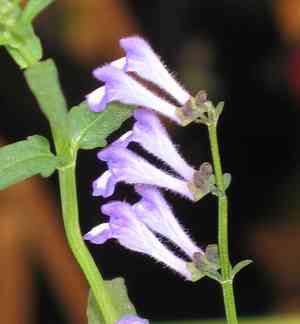
For Scutellaria barbata, the prime period for transplanting extends from the revitalizing onset of spring into the initial phase of summer, facilitating strong root development. Preferably, select a location offering abundant illumination and soil that drains effectively. A helpful tip: careful manipulation safeguards the roots' structure.
What Preparations are Necessary Before Relocating Barbed Skullcap?
When is the Best Time to Move Barbed Skullcap?
The ideal period to relocate barbed skullcap is after winter's cold subsides but before summer's heat intensifies. During this timeframe, the moderate temperatures and ample moisture create a supportive environment for barbed skullcap to establish its root system without the strain of extreme weather. Moving barbed skullcap to its new spot during these months ensures more robust growth and vigor. Settling barbed skullcap into its new home now provides it with the best opportunity to flourish in the upcoming seasons.
What is the Recommended Spacing Between Barbed Skullcap Plants?
Hello, aspiring gardener! When rehousing your barbed skullcap, maintain a comfortable distance of 12-18 inches (30-46 cm) between them. This allows each plant sufficient room to expand its roots and thrive without feeling cramped.
What is the Optimal Soil Blend for Barbed Skullcap Relocation?
For your barbed skullcap, let's prepare the soil for success! Aim for soil that drains well and is rich in organic material. A beneficial addition of compost or a balanced, slow-release fertilizer will help your plants settle in and prosper.
Where Should You Replant Your Barbed Skullcap?
Select a location where your barbed skullcap can absorb some gentle sunlight! A spot with partial sun, where the sun's rays touch the leaves for part of the day, will keep your green companion content.
What Tools Should You Prepare Before Relocating Barbed Skullcap?
Gardening Gloves
To safeguard your hands while handling soil and plants.
Shovel or Spade
For excavating the barbed skullcap and creating a new planting site.
Hand Trowel
For more precise digging tasks around the barbed skullcap's root ball.
Watering Can or Hose
To hydrate the barbed skullcap before and after its move.
Wheelbarrow or Garden Cart
To transport the barbed skullcap from its original spot to the new planting location.
How Do You Extract Barbed Skullcap from the Soil?
How Do You Extract Barbed Skullcap from the Soil?
From Ground: Start by watering the barbed skullcap to make the soil easier to manage. Using a shovel or spade, dig a wide circle around the plant, being careful not to harm the root ball. Gently pry beneath the root ball with the shovel and lift it from the ground.From Pot: Water the barbed skullcap thoroughly. Turn the pot on its side, hold the plant by its base, and tap the pot's bottom to loosen the root ball. Carefully remove the plant, preserving its root structure.From Seedling Tray: Moisten the soil to prevent root damage. Use a hand trowel or a wooden stick to gently lift each seedling by pushing up from the cell's bottom or squeezing its sides.
Step-by-Step Guide for Relocating Barbed Skullcap
Plan Ahead
Determine the size of the barbed skullcap's root ball to ascertain the appropriate dimensions for the new planting hole.
Relocation Timing
Perform the relocation during a cooler part of the day to minimize stress on the barbed skullcap.
Preparing the New Site
Dig a hole twice as wide as the root ball and equally deep to ensure ample space for root expansion.
Positioning barbed skullcap
Place the root ball in the center of the new hole, ensuring the top of the root ball is level with the surrounding soil surface.
Backfilling the Hole
Refill the hole with soil, gently tamping it down to eliminate any air pockets around the barbed skullcap's roots.
Adequate Watering
Immediately water the plant deeply to settle the soil and hydrate the roots.
How Do You Care For Barbed Skullcap After Relocation?
Initial Watering
Water the barbed skullcap generously after planting to help alleviate transplant shock.
Mulching
Apply a layer of mulch around the base of the barbed skullcap to retain moisture and regulate soil temperature.
Regular Monitoring
Check the barbed skullcap's progress frequently, looking for signs of stress and adjusting care as needed.
Avoiding Overhead Watering
Water at the base of the barbed skullcap to prevent fungal diseases often encouraged by wet foliage.
Troubleshooting Common Issues with Barbed Skullcap Relocation.
What's the best time of the year for relocating barbed skullcap?
Relocate barbed skullcap in the pleasant warmth of late spring for optimal development.
How far apart should I space barbed skullcap plants?
For a thriving, content barbed skullcap, aim for a comfortable distance of 12-18 inches (30-45 cm) apart.
Why are my relocated barbed skullcap wilting?
Wilting after relocation is normal. Ensure sufficient water, protection from intense sun, and avoid root damage during the move.
Can barbed skullcap be relocated in summer or fall?
Moving barbed skullcap outside of early to late spring can stress the plant; it's less ideal but achievable with extra attention.
How deep should the hole be when relocating barbed skullcap?
Dig a welcoming hole for barbed skullcap, twice the root ball's width and the same depth to keep things comfortable.
What soil conditions favor barbed skullcap after relocating?
Plant barbed skullcap in well-draining soil, rich in organic matter, to provide it with the best new home possible.
How much water does barbed skullcap need after relocating?
Keep the soil of newly relocated barbed skullcap consistently moist, not waterlogged, to encourage strong root growth.
Should I fertilize barbed skullcap right after relocating?
Wait a few weeks before feeding barbed skullcap to prevent burning delicate roots. Let them settle peacefully first.
How do I protect barbed skullcap from relocation shock?
Prevent relocation shock in barbed skullcap by watering it well before and after moving, and minimize root disturbance.
Can barbed skullcap be relocated on cloudy days?
Absolutely! Overcast, mild days are perfect for relocating barbed skullcap as they reduce stress and water loss.



