How to Transplant Baikal skullcap?
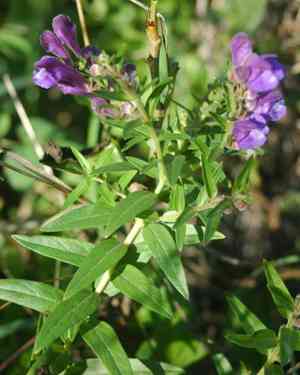
Relocate baikal skullcap from the emergence of initial shoots until the peak of spring, ensuring they establish in well-draining substrate with sufficient illumination. Carefully move them for a vigorous seasonal bloom.
What Preparations are Needed Before Transplanting Baikal Skullcap?
What is the Ideal Time for Transplanting Baikal Skullcap?
The optimal period for relocating baikal skullcap is when the ground becomes active again – from the gentle warmth of early spring through the pleasantness of late spring. This timeframe encourages strong root development and minimizes plant stress, giving baikal skullcap a smooth start in its new spot. During this season, cooler temperatures and increased moisture aid baikal skullcap's roots in establishing without the harsh extremes of summer or winter, setting the stage for a flourishing year ahead.
How Much Space Should You Leave Between Baikal Skullcap Plants?
When moving your baikal skullcap, aim to provide each plant with ample room to thrive. An ideal spacing is approximately 6-12 inches (15-30 cm) apart. This ensures sufficient growth area and reduces competition for nutrients and sunlight.
What is the Best Soil Mix for Baikal Skullcap Transplanting?
Prepare a suitable bed for your baikal skullcap with well-drained soil; a blend of sand or loam works exceptionally well. Incorporate a mild, balanced base fertilizer to give your plants a healthy beginning. A formula with equal parts nitrogen, phosphorus, and potassium is perfect!
Where Should You Relocate Your Baikal Skullcap?
Your baikal skullcap thrives in sunlight, much like we enjoy a bright day. Select a sunny location that receives at least 6 hours of light daily. However, don't worry if your garden has some shadeâbaikal skullcap can tolerate some afternoon cover.
What Equipments Should You Prepare Before Transplantation Baikal Skullcap?
Gardening Gloves
To safeguard your hands while handling soil and plants.
Shovel or Spade
For excavating the plant from the ground and creating a new planting site.
Watering Can or Hose
To hydrate the plant before and after its relocation.
Garden Fork
To loosen the earth around the plant's root system prior to lifting.
Pruning Shears
To trim any damaged or overly long roots before the move.
Wheelbarrow or Garden Cart
To move the baikal skullcap plant and soil without causing harm to the plant.
Ruler or Measuring Tape
To ensure the correct depth when placing the plant in its new spot.
How Do You Remove Baikal Skullcap from the Soil?
How Do You Remove Baikal Skullcap from the Soil?
From Ground: First, irrigate the baikal skullcap plant to moisten the soil and facilitate its removal. Use a garden fork to gently loosen the earth surrounding the plant's roots. Be careful not to harm the root system during this process. Dig a wide trench around the plant with a shovel or spade, extending beneath the root ball. Carefully lift the plant from its original position.From Pot: Water the baikal skullcap plant thoroughly to lessen root stress and help the soil adhere to the roots. Turn the pot on its side, tap the bottom, and gently ease the plant out. If the plant is stuck, use a knife to separate the soil from the pot's edge.From Seedling Tray: Water the seedlings to dampen the soil. Use a spoon or a dibber to carefully lift the baikal skullcap plant from its cell, ensuring you extract as much of the root system as possible. Handle the delicate seedling by its leaves to minimize root damage.
Step-by-Step Guide for Transplanting Baikal Skullcap
Preparation
Choose a cool, cloudy day for relocating the baikal skullcap to prevent excessive moisture loss and sun stress on the plant.
Digging the New Hole
Excavate a hole in the prepared area that is twice as wide and the same depth as the baikal skullcap's root ball.
Root Pruning
Inspect the roots for any damage or disease and use pruning shears to remove them. If the roots are tightly matted, gently separate them with your fingers.
Planting
Place the baikal skullcap into the hole, ensuring the top of the root ball is level with the surrounding soil surface. Spread the roots outwards.
Backing the Soil
Refill the hole with soil, gently patting it down to eliminate any air pockets. Confirm the plant is stable and upright.
Watering
Thoroughly water the baikal skullcap after planting to settle the soil and provide moisture to the roots.
Mulching
Apply a layer of mulch around the base of the baikal skullcap, which will help retain soil moisture and protect the roots.
How Do You Care For Baikal Skullcap After Transplanting?
Monitor Growth
Observe the baikal skullcap for indications of stress and development. New leaf growth often signifies successful transplanting and root establishment.
Regular Watering
Water the baikal skullcap consistently to maintain even soil moisture until it is well established, adjusting for rainfall and temperature.
Protection
Provide defense against pests and harsh weather. Use plant supports if needed to keep baikal skullcap upright and secure.
Limited Fertilization
Avoid applying fertilizer immediately after transplanting to prevent root burn. Fertilize only after new growth appears, indicating the plant has settled.
Troubleshooting Common Issues with Baikal Skullcap Transplantation.
What's the best time to transplant baikal skullcap for optimal growth?
Relocate baikal skullcap when the soil thaws, typically early to mid-spring, for best establishment.
How do I choose the right location for transplanting baikal skullcap?
Select a site with full sun to partial shade and well-drained soil for baikal skullcap.
What is the ideal spacing for planting baikal skullcap?
Space baikal skullcap about 6-12 inches (15-30 cm) apart to ensure ample room for growth.
How deep should I plant baikal skullcap during transplantation?
Dig a hole as deep as the root ball and twice as wide to accommodate baikal skullcap's roots.
Can baikal skullcap be transplanted in summer or fall?
It's best to transplant baikal skullcap in spring; summer or fall transplanting is riskier for plant stress.
What should I do if baikal skullcap's leaves wilt after transplanting?
Provide shade and water gently; wilting can be a temporary response to transplant shock in baikal skullcap.
How often should I water baikal skullcap after transplanting?
Keep the soil moist but not soggy, watering baikal skullcap every few days to help roots establish.
What kind of care does baikal skullcap need post-transplant?
Mulch around baikal skullcap to retain moisture and suppress weeds, and avoid fertilizing until established.
How do I handle transplant shock in baikal skullcap?
Keep baikal skullcap well-watered and protect from extreme conditions; it should recover with time.
When is it safe to start shaping or pruning baikal skullcap after transplanting?
Wait for baikal skullcap to fully recover from transplanting, typically by the next growing season, before pruning.



