How to Transplant Portuguese squill?
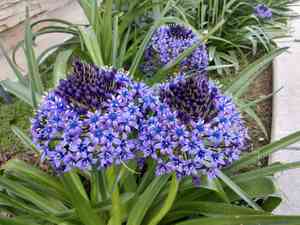
Relocate portuguese squill during mid-spring, utilizing the period's consistent environment to encourage strong root establishment. Select a bright location featuring soil that drains effectively, and if area is limited, note that portuguese squill flourishes even in compact pot environments.
Essential Preparations Before Relocating Portuguese Squill?
Optimal Timing for Transplanting Portuguese Squill?
The best time to move portuguese squill is from mid to late spring, as these months offer ideal growing conditions. Shifting portuguese squill during this period ensures robust root development before summer's heat, maximizing its chances of flourishing. Embrace this season, as it prepares portuguese squill to showcase its beautiful flowers. Mild spring weather minimizes transplant shock, allowing portuguese squill to adjust smoothly to its new spot. A friendly reminder: this timely relocation contributes to a healthier, more vigorous plant, ready to beautify your garden!
Recommended Spacing Between Portuguese Squill Plants?
Hello fellow gardener, let's discuss spacing for transplanting portuguese squill. Aim to position each plant approximately 1 foot (30 cm) apart. This guarantees ample room for your plants to expand and thrive! Remember, proper spacing encourages healthy plant development.
Ideal Soil Mixture for Portuguese Squill Transplanting?
Now, preparing the soil for portuguese squill is a crucial step. Ideally, portuguese squill flourishes in well-drained, sandy or loamy soil. Before transplanting, enrich your soil with a balanced base fertilizer. This supplies your young plant with all necessary nutrients.
Where Should You Replant Your Portuguese Squill?
Finally, selecting the correct site for portuguese squill is vital. It prefers full sun or light shade. A sunny area in your garden, receiving direct sunlight for 6-8 hours, would be perfect. Otherwise, choose a spot with dappled sunlight. Happy gardening!
Necessary Equipment for Transplanting Portuguese Squill?
Gardening Gloves
To safeguard your hands while handling soil and plants.
Garden Trowel
For digging holes in your garden soil.
Shovel or Spade
Used for larger tasks such as extracting the plant from its original spot.
Watering Can
To thoroughly hydrate the plant after transplanting.
Garden Fork
To gently loosen the soil around the transplant site, promoting root growth without causing harm.
How to Extract Portuguese Squill from the Ground?
How to Extract Portuguese Squill from the Ground?
From Ground: Begin by generously watering the portuguese squill plant several hours before you intend to transplant it. This will make the soil moist and easier to manage. Using a spade or shovel, carefully start digging around the plant, maintaining a safe distance to avoid damaging the root system. Gently lift the plant, ensuring its root ball remains intact.From Pot: First, water your portuguese squill plant in its pot. Invert the pot while supporting the plant at its base, then lightly tap the bottom of the pot. The plant will slide out with the soil surrounding its roots.From Seedling Tray: Water the seedlings to facilitate their removal. Gently push up from the tray's bottom to pop the portuguese squill seedlings out. Be sure not to pull the seedling by its stem, as this could cause damage.
Detailed Guide for Transplanting Portuguese Squill
Identification
Confirm that the portuguese squill is ready for relocation. Typically, when it has 2-3 healthy leaves, the plant is robust enough to be moved.
Preparation
Prepare the new planting site. Dig a hole twice as wide as the root ball, using a garden trowel.
Planting
Place the portuguese squill plant into the hole. Ensure the plant is at the same depth it was in its previous location. Backfill with soil and gently press down around the plant's base to secure it firmly.
Watering
Water generously immediately after planting the portuguese squill; this will help the soil settle. Be careful not to overwater, as it can suffocate the plant's roots.
Post-Transplant Care for Portuguese Squill
Adjustment
The portuguese squill may require some time to adjust after being transplanted. If the leaves begin to droop, do not be alarmed, as this is a normal response to the shock of relocation.
Pruning
Prune the portuguese squill plant only if there are dead or withered parts. Avoid excessive pruning, as it can stress the plant and impede its growth.
Monitoring
Closely observe the portuguese squill for a couple of weeks following transplanting. Look for any indicators of stress, such as yellowing leaves or a lack of new growth. If you notice any of these signs, consider adjusting your care routine, but remember, patience is crucial as the plant adapts to its new environment.
Resolving Common Issues with Portuguese Squill Transplantation.
What is the optimal time of year to transplant portuguese squill?
The best period to transplant portuguese squill is from late summer to early autumn ('S2-S3').
What is the correct spacing when transplanting portuguese squill?
For healthy development, ensure you position portuguese squill approximately 1 foot (0.3 meters) apart from each other.
How deep should I plant portuguese squill when transplanting?
Plant portuguese squill so that the top of the bulbs is at least an inch (2.5 cm) below the soil surface.
How should I prepare the soil for transplanting portuguese squill?
Enrich the soil with organic matter before planting. This improves soil structure and provides the nutrients portuguese squill requires.
Do I need to water portuguese squill immediately after transplanting?
Yes, ensure you give portuguese squill a thorough watering right after planting. However, prevent waterlogging as it can lead to rot.
Can I initially transplant portuguese squill into a pot?
Yes, you can. Begin with a pot large enough to accommodate growth, and ensure it has adequate drainage.
What kind of sunlight exposure is best for portuguese squill after transplanting?
Portuguese squill prefers full sun to partial shade. It thrives best in locations with morning sun and afternoon shade.
How do I care for portuguese squill after transplanting?
Ensure consistent watering and feeding with a high-potash fertilizer. Avoid waterlogging and extreme temperatures.
What if portuguese squill doesn't bloom after transplanting?
Patience is essential. Portuguese squill might take a season to establish itself before it begins blooming. Ensure it receives proper care.
Is it possible to overwater portuguese squill after transplanting?
Yes, overwatering is detrimental to portuguese squill. Always ensure the soil is well-draining to prevent waterlogging and root rot.



