How to Transplant Softstem bulrush?
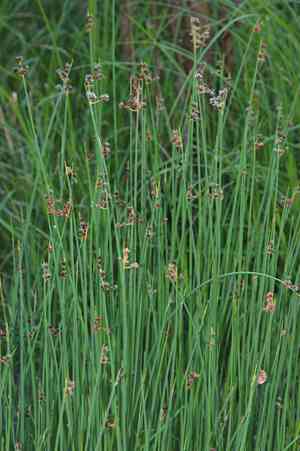
The most suitable period for transplanting softstem bulrush is during the vigorous growth phase from mid-spring through early summer. Select damp, preferably brightly lit spots to replicate the plant's native marsh environments. When arranging more compact groupings, allow for moderate distances to facilitate expansion.
Necessary Preparations Before Relocating Softstem Bulrush?
Optimal Period for Moving Softstem Bulrush?
The best time to move softstem bulrush is during the pleasant warmth of late spring to early summer. This timeframe promotes strong root development before the cold season arrives.
Recommended Spacing Between Softstem Bulrush Plants?
When moving softstem bulrush, allow approximately 1-2 feet (0.3-0.6 m) between each plant. This provides sufficient room for growth without resource competition.
Ideal Soil Blend for Softstem Bulrush Relocation?
Prepare the soil prior to moving softstem bulrush. It prefers rich, damp, slightly acidic to slightly alkaline soil. Incorporate a nitrogen-rich base fertilizer to give your plants a strong start.
Where to Replant Your Softstem Bulrush?
Softstem bulrush will flourish in a spot receiving full to partial sunlight. Therefore, locate an area in your garden where the plant can receive at least 6 hours of daily sun.
Equipment to Prepare Before Transplanting Softstem Bulrush?
Gardening Gloves
To safeguard your hands while handling soil and the softstem bulrush plant.
Spade or Shovel
For digging soil around the softstem bulrush, both at its original and new locations.
Garden Fork
To gently loosen soil around the roots without causing harm.
Wheelbarrow or Bucket
To move the softstem bulrush plant from its initial spot to the new one.
Watering Can or Hose
To hydrate the softstem bulrush plant before and after its relocation.
Mulch
To aid in moisture retention and soil temperature regulation around the newly moved softstem bulrush.
How to Extract Softstem Bulrush from the Soil?
How to Extract Softstem Bulrush from the Soil?
From Ground: First, lightly water your softstem bulrush plant to moisten the soil. Next, dig a wide trench around the plant with your spade or shovel, aiming to keep the plant's root ball intact. Carefully work the spade beneath the root ball to lift the plant and its roots from the ground.From Pot: If the softstem bulrush plant is in a container, water it lightly first. Then, place your hand over the pot's top, allowing the plant stem to pass between your fingers. Invert the pot and gently tap the bottom until the plant slides out, keeping the root ball whole.From Seedling Tray: For softstem bulrush seedlings in a tray, water them initially, then gently press the bottom of each cell or use a small tool, like a craft stick, to lift out the seedlings, ensuring no damage to the delicate roots.
Step-by-Step Guide for Relocating Softstem Bulrush
Locating the Plantâs Root System
Carefully examine the softstem bulrush plant to identify its root ball. The objective is to excavate as much of the root ball as possible to ensure the plantâs survival.
Excavating a New Hole
Dig a hole at the new site that is twice as wide and the same depth as the softstem bulrush's root ball.
Positioning the Plant
Gently place the softstem bulrush in the center of the new hole, ensuring it sits at the same level as its original position.
Refilling
Carefully refill the hole with the removed soil, pressing gently around the base of the softstem bulrush to eliminate any air pockets.
Hydrating
Water the planted area thoroughly to help establish good contact between the roots and soil.
Applying Mulch
Once the softstem bulrush is planted, apply a layer of mulch around the plant's base. This aids in water retention, weed suppression, and soil temperature regulation.
Post-Transplantation Care for Softstem Bulrush
Observation
Monitor the softstem bulrush daily for the initial few weeks after relocation. Any notable changes in leaf color or wilting can signal transplant shock.
Watering
Maintain consistent, but not saturated, moisture levels around the softstem bulrush, especially for the first few weeks to encourage strong root development. Adjust watering based on weather, more in hot, dry conditions, less in cold or wet ones.
Trimming
Lightly prune the softstem bulrush after transplanting to reduce water demand and stimulate new growth.
Resolving Common Issues with Softstem Bulrush Relocation.
When is the optimal time to move softstem bulrush?
The best period to relocate your softstem bulrush is from its mid-growth phases to the onset of maturity, commonly known as S2-S4 stages.
What is the ideal spacing for softstem bulrush during relocation?
When moving softstem bulrush, provide each plant with approximately 1-2 feet (30-60 cm) of space. This allows them ample room to grow without mutual interference.
Which common mistakes should I avoid when moving softstem bulrush?
A frequent error is planting softstem bulrush too deep or too shallow. Aim to position the plant at the same soil level it was previously growing at.
Why is my relocated softstem bulrush wilting?
Wilting after relocation can stem from transplant shock, improper watering practices, or insufficient sunlight. Ensure your softstem bulrush receives appropriate care post-transplant.
How should I water softstem bulrush after relocation?
Keep the soil consistently moist but not waterlogged. A good guideline is to water thoroughly and allow the top 1 inch (2.5 cm) of soil to dry before the next watering.
How much sunlight does softstem bulrush need after relocation?
Softstem bulrush thrives in full sun exposure to partial shade. Aim to provide at least 6-8 hours of sunlight for optimal growth.
How can I ensure the survival of softstem bulrush after relocation?
Maintaining proper moisture levels, providing ample sunlight, and correctly spacing the relocated plants can promote survival. Occasional fertilization may also boost growth.
Can I move softstem bulrush into containers?
Yes, you can. Ensure the container has adequate drainage to prevent root waterlogging. The pot size should allow softstem bulrush to grow without restriction.
What should I do if my relocated softstem bulrush is losing leaves?
Leaf loss is common due to transplant shock. If it persists, check for root rot, insufficient watering, or improper sunlight. Adjust care as needed.
Can I use fertilizer on softstem bulrush after relocating?
Yes, a standard slow-release fertilizer can support softstem bulrush growth after relocation. However, refrain from fertilizing immediately after transplanting to prevent root burn.



