How to Transplant Octopus tree?
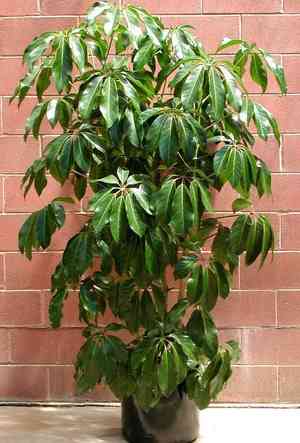
For octopus tree, the optimal period for repotting is from the gentle warmth of late spring through mid-summer, offering perfect conditions for development after being moved. Select a location with ample, diffused light and ensure the soil remains damp to foster smooth adaptation.
Essential Preparations Before Relocating Your Octopus Tree
When is the Optimal Period for Moving Your Octopus Tree?
The ideal time to rehouse your octopus tree is during the prime window of late spring to early summer. This period capitalizes on forthcoming optimal growth conditions, aiding the octopus tree in establishing itself more readily in its new spot. With warmer temperatures and a surge of vital energy during this phase, the octopus tree benefits from an excellent mix of sunlight and mild weather, lessening transplant shock and boosting root development. This strategic timing also allows it to harness summer's full growth potential, giving your octopus tree a head start to thrive in its new environment. So, when you sense that gentle warmth in the air and observe nature revitalizing, it signals that your octopus tree is ready for a change, and with careful attention, you'll pave the way for a flourishing, vibrant green companion.
What is the Recommended Spacing Between Octopus Tree Plants?
When preparing to move your octopus tree, remember to provide ample room for its development. An optimal distance of 4-5 feet (1.2-1.5 meters) between each plant is advised. This ensures they have sufficient space to thrive without competing for essential resources.
What is the Best Soil Mixture for Transplanting Octopus Tree?
Regarding the soil, octopus tree prefers well-drained soil with a peat moss base. Incorporating a slow-release fertilizer before transplantation helps supply nutrients over time. This will give your plant a robust start in its new location.
Where is the Ideal Location to Replant Your Octopus Tree?
The perfect location for your octopus tree is one that offers partial shade to dappled sunlight. Excessive direct sun exposure could scorch its leaves, so aim to find a spot that fits this description. Happy gardening!
Equipment Needed Before Transplanting Octopus Tree
Gardening Gloves
To safeguard your hands while handling soil and the octopus tree.
Shovel or Spade
For excavating the octopus tree from its original site and preparing the new hole for relocation.
Pruning Shears
To trim any damaged roots, branches, or leaves from the octopus tree prior to transplanting.
Watering Pot
For hydrating the plant both before and after its relocation.
Mulch
To assist the soil in retaining moisture after you have moved your octopus tree.
Wheelbarrow or Plant Pot
To transport the octopus tree from its current position to the new site.
A Lining Material (e.g., burlap)
To safeguard the root ball and keep it secure during transit.
How to Extract Octopus Tree from the Soil
How to Extract Octopus Tree from the Soil
From Ground: Since octopus tree has deep roots, it's vital to water the plant the day before the transplant to loosen the soil. Then, dig a wide circle around the plant with your shovel, being careful not to harm the roots. Try to keep as much soil as possible around the root ball and gently lift the plant.From Pot: Water the pot thoroughly, then tilt it sideways, holding the plant's stem and tapping the pot's rim against a surface to slide it out. Never pull the plant by its stem.From Seedling Tray: Water the tray, then use a small spade to carefully pry the seedling out, again maintaining a significant amount of soil to minimize root disturbance.
Detailed Steps for Transplanting Octopus Tree
Preparing the Hole
Ensure the hole is twice the width of your octopus tree's root ball but not deeper. A wide hole provides ample space for roots to spread and develop.
Positioning the Plant
Carefully place the octopus tree into the hole by holding the root ball, not the stem. The top of the root ball should be level with or slightly above the ground surface.
Refilling the Hole
Backfill the hole with the soil previously excavated. After planting, gently firm the soil to eliminate air pockets, but avoid compacting it, which could harm the roots.
Initial Watering
Water the planting area after transplanting to moisten the soil surrounding the root ball.
Applying Mulch
Spread a layer of mulch around your octopus tree, being careful not to cover the stem. This will help retain moisture and foster a healthy growing environment.
Post-Transplant Care for Your Octopus Tree
Staking
If your octopus tree is tall, it may require extra support through staking. Use soft ties to secure it to a stake inserted diagonally into the soil.
Pruning
Lightly prune the plant after transplanting. This reduces the plant's water demand and encourages new growth.
Monitoring
Regularly check for indications of transplant shock, such as yellowing leaves or wilting. If you observe anything unusual, intervene with appropriate care.
Consistent Watering
Water your octopus tree sufficiently to aid its establishment. Do not allow the soil to dry out, especially during the initial weeks post-transplant. Gradually reduce watering as the plant begins to grow.
Addressing Common Issues During Octopus Tree Transplantation.
When is the best time to move octopus tree?
The optimal period to transplant octopus tree is from late spring to early autumn. Ensure temperatures are moderate.
What is the recommended spacing when relocating octopus tree?
Octopus tree plants thrive best when positioned approximately 4-5 feet (1.2-1.5 meters) apart. This provides ample room for their development.
How should I prepare the soil before moving octopus tree?
Ensure the soil drains well. Incorporating organic matter or compost can enhance its fertility and drainage. Dig the hole twice the size of the root ball.
Should I water octopus tree prior to transplanting?
Yes, thoroughly water the octopus tree a day before relocating it. This ensures the plant is hydrated, reducing transplant shock.
Can I trim octopus tree before moving it?
Yes, trimming octopus tree before transplanting helps alleviate stress on the plant. Remove any dead or damaged leaves and branches to promote new growth.
How deep should I plant octopus tree during relocation?
The octopus tree should be planted at the same depth it was previously growing. Planting too deep can lead to root rot, while too shallow may expose roots.
How often should I water octopus tree after transplanting?
Immediately after transplanting, water octopus tree generously. Subsequently, ensure the soil remains consistently moist, but not waterlogged. Frequency will depend on your local climate.
What to do if octopus tree wilts after relocation?
Wilting is a common occurrence after transplanting. Keep the soil consistently moist and shield the plant from intense sunlight. The plant should recover with proper care.
How to minimize transplant shock in octopus tree?
Reduce transplant shock by watering it thoroughly before and after relocation, protecting it from harsh sun or wind, and ensuring it's planted at the correct depth.
What if my relocated octopus tree doesn't grow?
If your octopus tree isn't growing after transplanting, it might not be receiving adequate light or water, or the soil may lack sufficient nutrients. Review these factors and adjust as needed.



