How to Transplant African blood lily?
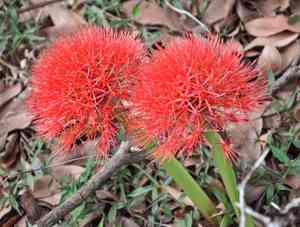
For relocating african blood lily, the ideal period is from early to mid-spring, when the plant awakens from its inactive state. Select a spot providing dappled sunlight and soil that drains effectively. Carefully loosen the roots during the transfer to stimulate development. Exercise caution and perseverance during transplantation for optimal outcomes.
Essential Preparations Before Relocating African Blood Lily
Optimal Period for African Blood Lily Relocation?
The best time for moving african blood lily is typically from early to mid-spring. This timeframe allows roots to firmly establish before intense summer growth. Additionally, the mild weather during these months ensures a smooth transition for the plant to its new spot. For these reasons, it's the most favorable transplanting window for your cherished african blood lily.
Recommended Spacing Between African Blood Lily Plants?
When transplanting african blood lily, ensure adequate room for development. A good spacing guideline is 6-12 inches (15-30 cm) apart. This provides sufficient air circulation and promotes vigorous plant growth.
Ideal Soil Blend for African Blood Lily Transplanting?
For african blood lily, a well-draining soil mixture is perfect. Consider blending equal parts garden soil, compost, and peat moss. Incorporate a balanced, slow-release fertilizer to supply vital nutrients.
Where to Position Your African Blood Lily?
To give african blood lily the best start, select a site with partial shade. Morning sun and afternoon shade offer optimal conditions for this plant. This ensures it receives appropriate sunlight without overheating.
Equipment Needed Before Transplanting African Blood Lily
Gardening Gloves
To safeguard your hands while performing the transplant and handling the soil.
Shovel or Hand Trowel
For excavating the african blood lily from its original location or container and for digging a new hole in the ground.
Bucket or Container
To hold the plant during relocation, keeping its roots moist and protecting the entire root system.
Watering Can
To adequately water the african blood lily before and after transplantation to ensure the roots are well-hydrated.
Mulch
This will help retain moisture and suppress weeds, both crucial for the successful transplantation of african blood lily.
How to Extract African Blood Lily from the Soil?
How to Extract African Blood Lily from the Soil?
From Ground: First, lightly water the african blood lily to slightly moisten the soil, which assists with root removal. Then, dig a wide trench around the plant, ensuring the root ball remains undisturbed. Carefully slide the shovel beneath the root ball to lift the plant from its original spot without damaging the roots.From Pot: If the african blood lily is potted, water it slightly, then gently tip the pot onto its side, easing the african blood lily out. Be careful to support the root ball and stem with your hand and gradually pull it out.From Seedling Tray: Gently grasp the stem of your african blood lily and use a small tool to lift the roots from the tray, being careful not to harm the delicate root system attached to the seedling.
Step-by-Step Guide for Relocating African Blood Lily
Preparation
Ensure your new site is prepared before removing the african blood lily. The new hole should be twice the width of the root ball and of the same depth. Add some compost to the bottom of the hole for nourishment.
Transporting
Move your african blood lily to the new location in your bucket or container, handling it with care as roots are delicate.
Planting
Gently place your african blood lily in the hole. The top of the root ball should be level with the soil surface. Backfill the hole with the excavated soil, gently firming it around the base of the african blood lily.
Watering
Thoroughly water the african blood lily after transplanting. This will help settle the soil around the roots and minimize transplant shock.
Mulching
Apply a layer of mulch around the african blood lily to help retain soil moisture and manage weeds.
Post-Transplant Care for African Blood Lily
Monitoring
Closely observe your african blood lily during the initial weeks following transplantation. Look for any signs of stress, such as wilting or yellowing leaves, and address them promptly.
Pruning
If any of the african blood lily's leaves were damaged during the transplant process, trim them at the stem's base to encourage new growth.
Water Regime
Maintain a consistent watering schedule, but avoid overwatering. The goal is moist, not waterlogged, soil. Also, refrain from watering the leaves of your african blood lily to prevent fungal issues.
Environmental Change
Gradual acclimation to its new surroundings is crucial for your african blood lily. Shield the african blood lily from harsh weather conditions like strong winds, extreme heat, or frost.
Addressing Common Issues with African Blood Lily Transplantation.
When is the best time of year to transplant african blood lily?
The optimal period to replant african blood lily is during the window of early to mid-spring. This timeframe offers ideal growing conditions for the plant.
How should I space african blood lily during transplanting for healthy growth?
For african blood lily to thrive, ensure a spacing of 6-12 inches (15-30 cm) between each plant. This provides ample room for growth.
What type of soil is best for transplanting african blood lily?
African blood lily prefers well-draining soil rich in organic matter. Avoid dense clay or heavily compacted soil as it can impede the bulb's growth.
How deep should I plant african blood lily in the soil?
For african blood lily, plant the bulb approximately 1-2 inches (2.5-5 cm) deep into the soil, ensuring the top of the bulb is at the soil surface.
What level of sunlight is suitable for african blood lily after transplanting?
Once transplanted, african blood lily thrives in partial to full sun. Ensure it receives at least 6 hours of daily sun exposure for optimal results.
How frequently should I water african blood lily after transplanting?
African blood lily requires consistent moisture but avoid excessive watering. Water thoroughly after transplanting, then regularly, allowing the soil to dry out slightly between waterings.
What if my transplanted african blood lily isn't growing as expected?
If african blood lily is struggling, check its sunlight, watering, and soil nutrients. Adjust these factors if necessary and consider using a balanced fertilizer.
How long does it take for african blood lily to establish after being transplanted?
African blood lily typically establishes within a couple of weeks after transplanting. During this period, you might observe initial wilting, but don't worry—it's the plant adapting to its new environment.
Can I transplant african blood lily into a pot instead of the garden?
Yes, you can. Ensure the pot is sufficiently large for the bulb and has drainage holes at the bottom. The soil should be well-draining, and the bulb should be 1-2 inches (2.5-5 cm) deep.
Why are the leaves of my transplanted african blood lily turning yellow?
Yellow leaves could indicate overwatering or a nutrient deficiency. Ensure the plant isn't sitting in water and consider a balanced fertilizer to address potential nutrient issues.



