How to Transplant White mountain saxifrage?
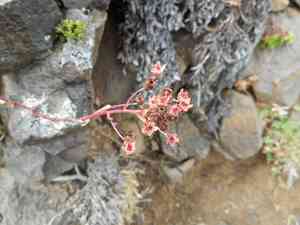
The optimal period for relocating white mountain saxifrage is early spring, when the ground is workable yet still cool. Select a location that receives ample sunlight but is protected from harsh midday sun. A light, well-draining soil facilitates their establishment.
Necessary Preparations Before Relocating White Mountain Saxifrage
Optimal Period for Moving White Mountain Saxifrage?
The best time to move white mountain saxifrage is in mid-spring. This timing allows white mountain saxifrage to establish its root system before the summer heat arrives. Transplanting during this season leverages spring's mild temperatures and moist soil, ensuring a smooth transition for white mountain saxifrage. By choosing this window, you give white mountain saxifrage a head start on growth, fully utilizing the longer daylight hours and the upcoming growing season.
Recommended Spacing Between White Mountain Saxifrage Plants?
For white mountain saxifrage, adequate spacing is crucial for optimal development. An ideal distance of 0.5-1 foot (15-30 cm) between each plant is suggested. This will promote healthy root and foliage expansion.
Best Soil Blend for White Mountain Saxifrage Relocation?
Ensure your soil drains well and is preferably alkaline. Prepare a foundation rich in organic material, such as compost or aged manure. You can initially incorporate a small amount of granular all-purpose fertilizer.
Where to Replant Your White Mountain Saxifrage?
White mountain saxifrage appreciates some sun exposure. Therefore, place them in a bright location but not in direct, full sun. A spot receiving morning sun and afternoon shade would be perfect. They will reward you with vigorous growth.
Equipment Required Before Transplanting White Mountain Saxifrage?
Shovel
A shovel or garden spade will be needed to extract the white mountain saxifrage plant from its original spot and to dig a new hole at the destination.
Gardening Gloves
Essential for hand protection while handling soil and plants.
Watering can
To hydrate the plant both before and after its relocation.
Organic mulch
Beneficial for retaining moisture and regulating soil temperature after transplanting.
Wheelbarrow or Bucket
For moving the plant from its initial site to its new position without causing damage.
Trowel
This tool is useful for precise digging, especially for smaller or younger specimens.
How to Extract White Mountain Saxifrage from the Ground?
How to Extract White Mountain Saxifrage from the Ground?
From Ground: Before removing white mountain saxifrage from the ground, water the area to moisten the soil, making extraction easier while keeping the rootball intact. Use a shovel or garden spade to dig a wide circle around the plant, being careful not to harm the roots. Gently work the spade beneath the rootball to lift the plant, ensuring not to tear or break the roots.From Pot: Water the white mountain saxifrage plant thoroughly and allow excess water to drain completely. Grasp the plant at its base near the soil line and carefully ease it out of the pot. Avoid pulling forcefully, as this can damage its root system.From Seedling Tray: Water the tray well in anticipation of the move. Use a spoon or small trowel to loosen the soil around the seedling, then gently lift it out by its leaves, avoiding contact with the roots.
Step-by-Step Guide for Relocating White Mountain Saxifrage
Digging the Hole
Create a hole at the new site that is twice as wide and roughly as deep as the white mountain saxifrage's root ball.
Positioning the Plant
Place the white mountain saxifrage plant in the hole, ensuring it is not seated deeper than it was in its previous location. The top of the rootball should be level with the soil surface.
Backfilling
Carefully refill the hole with native soil, gently firming it around the rootball. Avoid compacting it too much, as this can restrict root growth.
Water
Thoroughly water the white mountain saxifrage plant after transplanting. Allow the water to absorb, then add more soil if needed to ensure the root ball is fully covered and the plant is stable.
Mulching
Finally, apply a layer of organic mulch around the plant, leaving a small space around the stem to prevent rot.
Post-Transplant Care for White Mountain Saxifrage
Watering
Keep the soil consistently moist but not waterlogged, especially during the initial weeks after transplanting when the white mountain saxifrage plant is developing new roots.
Protection
As the white mountain saxifrage plant adjusts to its new environment, it may benefit from some protection against harsh weather. A temporary shade cloth can offer relief from intense sun, and a windbreak might be useful in exposed areas.
Checking
Regularly inspect your white mountain saxifrage plant for signs of stress or illness. Wilting, yellowing leaves, or a lack of new growth could indicate the plant is struggling. If these symptoms appear, adjustments to care or consultation with a horticultural expert may be necessary.
Addressing Common Issues with White Mountain Saxifrage Transplantation.
When is the best time of year to move white mountain saxifrage?
For successful relocation, the ideal period for white mountain saxifrage is between late spring and early summer (S2-S3). Regrowth is typically more effective during this time.
How much room does white mountain saxifrage require when being transplanted?
For each white mountain saxifrage, maintain a separation of approximately 0.5-1 foot (15-30 cm). This promotes ample growth and spread without overcrowding.
What type of soil should I use when relocating white mountain saxifrage?
White mountain saxifrage prefers soil with good drainage. A mildly acidic to neutral pH, rich in organic matter, enhances the plant's growth potential.
Is there a specific method to follow when transplanting white mountain saxifrage?
Dig the transplant hole twice the size of the root ball. Position the plant so that the top of the root ball is level with the ground surface.
What immediate care is needed after moving white mountain saxifrage?
Thoroughly water white mountain saxifrage immediately after transplanting. Keep the soil moist but never saturated. Applying mulch around the plant can help retain soil moisture.
How to manage sunlight exposure for newly transplanted white mountain saxifrage?
White mountain saxifrage thrives in partial shade to full sunlight exposure. Try to place the plant in a location that meets these conditions for optimal growth.
What indicators should I look for to determine if my transplanted white mountain saxifrage is healthy?
White mountain saxifrage is flourishing when it shows new growth and vibrant foliage. Yellowing or wilting could suggest an issue with watering, light, or soil conditions.
Why are the leaves of my white mountain saxifrage turning yellow after relocation?
Yellowing leaves can signal overwatering or poor drainage. Ensure the soil drains well and you are watering the plant only when the topsoil is dry.
Should I add any fertilizer during white mountain saxifrage's transplant process?
While not essential, it will be beneficial to add a gentle, slow-release fertilizer to the planting hole. This can provide additional nutrients to support initial growth post-transplantation.
Can I move white mountain saxifrage indoors?
White mountain saxifrage is quite adaptable and can be relocated indoors. Ensure it receives adequate sunlight and water, but avoid excessively hot or dry environments.



