How to Transplant Lizard's tail?
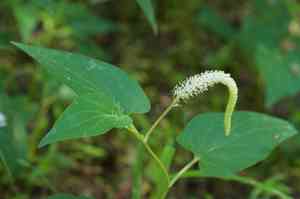
The optimal period for relocating lizard's tail is the pleasant warmth of late spring to mid-summer, fostering robust root development. Select shaded, damp environments, and if transitioning to brighter areas, introduce the change incrementally to allow lizard's tail to adapt.
Essential Preparations Before Relocating Lizard's Tail?
Optimal Period for Moving Lizard's Tail?
The best time to move lizard's tail is from early to mid-summer. This timeframe provides the warmth and stable conditions vital for roots to properly establish in their new spot. Transplanting lizard's tail then ensures the plant benefits from longer days and a strong growth season, setting it up for a flourishing garden. With a friendly and sincere approach, I strongly suggest using this season for transplanting lizard's tail, as it perfectly matches its natural growth cycle, promoting a successful and vigorous transition.
Required Spacing Between Lizard's Tail Plants?
Plan to provide your lizard's tail ample room to expand and develop. Ideally, maintain a separation of approximately 2-3 feet (60-90 cm) between each plant. This will allow them to grow without competing for nutrients or space.
Best Soil Blend for Transplanting Lizard's Tail?
Your lizard's tail will thrive in rich, well-draining soil. Incorporate compost or organic matter to boost soil fertility. You can also use a slow-release granular fertilizer to support the plant's development.
Where to Replant Your Lizard's Tail?
While lizard's tail can endure partial shade, selecting a spot with full sunlight will promote its health and happiness. Ensure this location receives at least six hours of direct sunlight daily.
Equipment Needed Before Transplanting Lizard's Tail?
Gardening Gloves
To safeguard your hands from scrapes and maintain cleanliness while handling the lizard's tail.
Trowel
You'll need this tool to excavate the hole for your lizard's tail's new position.
Spade or Shovel
Perfect for extracting the lizard's tail from its current spot and for loosening the soil at the new site.
Watering Can
For hydrating the lizard's tail plant both before and after its relocation.
Pruning Shears
Utilize these to trim any damaged or excessively long roots.
How to Extract Lizard's Tail from the Soil?
How to Extract Lizard's Tail from the Soil?
From Ground: Thoroughly water the lizard's tail plant a day prior to transplanting to soften the soil and roots, making them easier to manage. Dig a circle around the plant with your shovel, wide enough to encompass all roots without causing damage. Then, gently lift the plant from the ground.From Pot: Water the lizard's tail plant, then invert the pot while carefully supporting the root ball with your hand. The plant should slide out effortlessly.From Seedling Tray: Water the lizard's tail seedlings, then carefully scoop them from the tray using your hands or a spoon, ensuring not to harm the delicate roots.
Step-by-Step Guide for Relocating Lizard's Tail
Preparation
Dig a hole at the new site with a trowel. The hole should be deep enough to accommodate the lizard's tail's root system and its width should be twice the size of the root ball.
Placement
Position the lizard's tail in the center of the hole, ensuring it is not planted deeper than it was in its original spot.
Backfilling
Refill the hole with soil, gently pressing around the base of the lizard's tail to eliminate any air pockets.
Watering
After transplanting, water the lizard's tail generously to settle the soil around the roots and aid their establishment in their new environment.
Post-Transplant Care for Lizard's Tail?
Watering
Consistent watering is crucial after relocating the lizard's tail. Keep the soil moist without over-saturating it.
Pruning
Remove any withered leaves or blooms to help the lizard's tail direct more energy towards root development.
n Mulching
Apply a layer of organic mulch around the lizard's tail to retain moisture and regulate soil temperature.
Monitoring
Closely observe the lizard's tail for several weeks. Watch for any signs of disease or pests and address them promptly to help your plant adapt successfully.
Resolving Common Issues with Lizard's Tail Transplantation.
When is the optimal time to move lizard's tail?
The prime period to transplant lizard's tail is typically late summer to early fall (S4-S5), during cooler months.
What spacing should I maintain between each lizard's tail when transplanting?
You should allow approximately 2-3 feet (60-90 cm) between each lizard's tail to provide ample room for growth.
Why is my relocated lizard's tail wilting?
Wilting after transplanting, or 'transplant shock', can result from improper root handling or insufficient water. Gently water lizard's tail immediately after the transplant.
What kind of soil is best for transplanting lizard's tail?
Lizard's tail thrives in moist soil rich in organic matter for optimal growth. Ensure the soil drains effectively.
Should I prune lizard's tail before or after transplanting?
Before transplanting, you may prune lizard's tail to lessen stress and encourage healthier regrowth. Avoid heavy pruning post-transplant until recovery.
Why are the leaves of my lizard's tail turning yellow after being transplanted?
Yellowing leaves might indicate water stress or excessive sun exposure. Ensure lizard's tail is adequately watered and not exposed to harsh sunlight immediately after transplanting.
Should I fertilize lizard's tail right after transplanting?
No, it's advisable to wait a few weeks before fertilizing newly transplanted lizard's tail to prevent overwhelming the plant and facilitate a smooth adjustment.
How deep should I dig a hole for transplanting lizard's tail?
Dig a hole twice the width of the root ball and equally deep. Ensure the lizard's tail is positioned at the same depth it was in its original location.
How frequently should I water lizard's tail after transplanting?
Water the lizard's tail immediately after transplanting. Continuously check the soil's moisture levels and water as needed to keep the soil consistently moist but not waterlogged.
How do I handle the root ball of lizard's tail during transplanting?
Handle the root ball with care during transplanting. Avoid tearing or damaging the roots as this can hinder the lizard's tail's ability to establish itself in its new location.



