How to Transplant Summer savory?
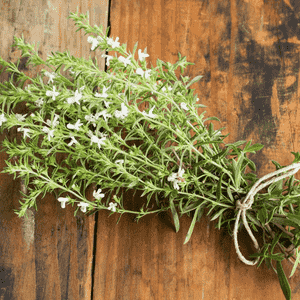
Choose a mild period after the last frost to relocate summer savory, ensuring vigorous development in adequately drained, sun-exposed areas. If necessary, gradually introduce summer savory to external environments to enhance its hardiness.
What Preparations are Needed Before Transplanting Summer Savory?
What is the Ideal Time for Transplanting Summer Savory?
The optimal period for relocating summer savory is during the pleasant warmth of late spring. This allows summer savory to establish its root system while the soil is damp and temperatures are mild, promoting strong development. Moving summer savory then ensures it gains an early advantage before the summer heat, boosting its resilience and vigor.
How Much Space Should You Leave Between Summer Savory Plants?
Begin the preliminary work for moving summer savory by preparing adequate space! These plants thrive with ample room, so aim for a 1-2 foot (30-60 cm) gap between each plant. This will support their growth and enable them to flourish!
What is the Best Soil Mix for Summer Savory Transplanting?
Next, let's get the soil ready for summer savory. A light, well-draining soil is preferable here, ideally with a pH level of 6.7 - 7.3. Initiate the process by incorporating some organic compost as a foundational fertilizer for the soil!
Where Should You Relocate Your Summer Savory?
The final step is locating the perfect spot for summer savory. These plants prefer abundant sunlight, ideally a location where they can receive at least 6 hours of direct sun exposure daily. Not too shaded, not too dark, just right!
What Equipments Should You Prepare Before Transplantation Summer Savory?
Gardening Gloves
To safeguard your hands while handling soil and plants.
Trowel
Useful for excavating holes and moving smaller plants such as summer savory.
Shovel or Spade
These implements aid in digging holes large enough for the root masses of bigger plants.
Pruning Shears
Utilized for trimming the plant if required.
Watering Can or Garden Hose
For hydrating the plant prior to and following its relocation.
Fertilizer
To improve the growing conditions in the new site.
Mulch
To assist in retaining soil moisture and inhibiting weed growth around the plant after transplant.
Gardening Fork
To loosen the soil when extracting the plant from its initial position.
How Do You Remove Summer Savory from the Soil?
How Do You Remove Summer Savory from the Soil?
From Ground: First, hydrate the summer savory plant to moisten the soil. This helps keep its roots intact during removal. Use a gardening fork to gently loosen the soil surrounding the roots before carefully lifting the root with your hands or a trowel. Carefully work the tool beneath the root ball to extract the plant from its original spot, ensuring you lift as much of the root ball as possible.From Pot: Before starting, water the summer savory plant thoroughly, then turn the pot sideways and gently tap the rim on a firm surface. The plant should slide out with the soil and root ball intact.From Seedling Tray: Gently push the summer savory plant from the bottom of the tray, using your fingers or a blunt object like a pencil's eraser end. Hold the seedling by its leaves to prevent damage when lifting it out.
Step-by-Step Guide for Transplanting Summer Savory
Prepare the New Site
Excavate a hole that is twice as wide and identical in depth to the root ball.
Prepare the Plant
Examine the summer savory plant carefully, removing any damaged or dead foliage or stems.
Transplanting
Carefully place the summer savory plant into the hole, ensuring it is not deeper than it was in its previous location. Gently backfill the hole with the previously removed soil, making sure no air pockets are trapped.
Watering
Thoroughly water the newly transplanted summer savory plant, but be careful not to overwater or leave it sitting in water as this can cause root rot.
Application of Mulch
Apply a thin layer of mulch over the soil around the plant for moisture retention and weed suppression.
How Do You Care For Summer Savory After Transplanting?
Watering
Ensure the summer savory plant receives ample water. Be consistent with irrigation, especially in the initial weeks after transplanting, to help it develop strong roots.
Trimming
Regular trimming can stimulate growth for summer savory plant, but be careful not to harm the plant.
Monitoring
Periodically inspect the summer savory plant for any indications of transplant shock, including wilting, yellowing leaves, or a lack of new growth. If these signs appear, adjust watering as needed.
Troubleshooting Common Issues with Summer Savory Transplantation.
When is the best time to transplant summer savory?
The ideal moment to move summer savory is during its third season. This is when the plant has matured and can withstand the environmental change.
What's the ideal spacing for summer savory when transplanting?
When relocating summer savory, ensure each plant has approximately 1-2 feet (30.5-61 cm) of space. This provides sufficient room for healthy development.
How deep should I plant summer savory when transplanting?
Plant summer savory in a hole that matches the depth of the root ball and is twice its width. This guarantees the roots have ample space to spread.
What are some signs that summer savory is ready to be transplanted?
Summer savory is prepared for relocation when it exhibits robust and vigorous growth, possesses multiple sets of true leaves, and has a well-developed root system.
Why is my recently transplanted summer savory wilting?
If the summer savory is wilting after being moved, it might be experiencing transplant shock, often due to insufficient water, reduced sunlight, or improper handling during the transfer.
How do I water summer savory after transplanting?
After relocating summer savory, water it deeply to aid in establishing new roots. It's best to keep the soil consistently moist but avoid waterlogging.
Why are the leaves on my transplanted summer savory turning yellow?
Yellowing leaves could signal overwatering or a nutrient deficiency. Ensure that your summer savory receives the appropriate amount of water and nutrients for its new environment.
How do I deal with pests after transplanting summer savory?
If summer savory shows signs of pests after transplanting, consider employing organic pest control methods like neem oil or introducing beneficial insects that prey on harmful pests.
What kind of soil should I use when transplanting summer savory?
Summer savory thrives in well-draining soil. Incorporating organic matter or compost can improve soil structure and supply essential nutrients.
How much sunlight does summer savory require after transplantation?
Following transplantation, summer savory needs full sunlight for at least 6 hours daily. Sunlight promotes healthy growth and helps the plant establish itself in its new location.



