How to Transplant Common sassafras?
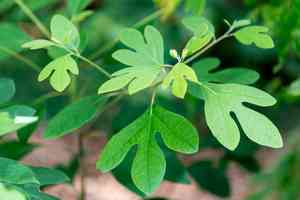
Choose the comforting warmth of early summer to relocate common sassafras, as this period guarantees a moderately heated ground for root development. A bright spot with adequately draining earth invites prosperity. Careful distancing fosters vigorous expansion.
What Preparations are Needed Before Transplanting Common Sassafras?
What is the Ideal Time for Transplanting Common Sassafras?
The best time to move common sassafras is from late spring to mid-summer. This period allows roots to establish well before colder weather, ensuring a successful move.
How Much Space Should You Leave Between Common Sassafras Plants?
When relocating common sassafras, it requires ample room to expand! Ideally, aim to space each plant approximately 15-20 feet (4.5-6 meters) apart. This ensures sufficient growth area without crowding.
What is the Best Soil Mix for Common Sassafras Transplanting?
Common sassafras thrives in well-drained, sandy or clay soil. Be sure to incorporate a balanced base fertilizer when preparing the soil. This will promote a healthy and robust start for your plant.
Where Should You Relocate Your Common Sassafras?
Sunlight is crucial! Common sassafras prefers full sun to partial shade. Therefore, select a garden location that receives a good balance of both direct sunlight and shaded periods throughout the day.
What Equipments Should You Prepare Before Transplantation Common Sassafras?
Gardening Gloves
Protects hands when working with soil or plants.
Shovel or Spade
Used for excavating the plant from its original spot or preparing the new planting site.
Gardening Fork
Helpful for loosening soil, especially when dealing with seedling trays and pots.
Wheelbarrow or Plant Pot
Necessary for moving the plant, particularly if it's large or being transported a distance.
Mulch
Aids in retaining soil moisture once the transplant is complete.
Watering Can
Essential for hydrating the plant during and after the transplanting process.
Pruning Shears
May be required to trim any damaged roots or branches during the transplant procedure.
Measuring Tape
Useful for determining the depth and width of the hole, which should be twice as wide and deep as the root ball.
How Do You Remove Common Sassafras from the Soil?
How Do You Remove Common Sassafras from the Soil?
From Ground: Begin by thoroughly watering the common sassafras plant to moisten the soil. This facilitates easier removal. Next, dig a wide trench around the plant with your shovel, striving to keep the root ball intact as much as possible. Carefully slide the shovel beneath the root ball and lift the plant from its spot.From Pot: Water the plant to dampen the soil, making it simpler to extract the common sassafras. Turn the pot on its side, gently hold the plant by its base, and tap the pot's rim against a firm surface. This should dislodge the plant, allowing it to slide out.From Seedling Tray: Use the gardening fork to carefully lift the common sassafras seedlings. Be gentle to avoid harming the delicate roots. If they are resistant, you can water the tray to loosen the soil and ease seedling removal.
Step-by-Step Guide for Transplanting Common Sassafras
Preparation
Prepare the new planting site by digging a hole twice as wide and deep as the common sassafras plant's root ball. This provides ample room for root expansion and growth.
Placement
Position the plant into the hole. The top of the root ball should be level with or slightly above the surrounding soil to prevent water accumulation at the plant's base.
Filling
Backfill the hole with the original soil. Gently firm the soil around the plant's base.
Watering
Water the plant generously immediately after transplanting. This helps settle the soil and initiates the root establishment process.
Mulching
Apply a layer of mulch around the plant. This aids in moisture retention and suppresses weed growth.
How Do You Care For Common Sassafras After Transplanting?
Watering
Ensure the soil around the common sassafras remains consistently moist, but not waterlogged. Watering is especially crucial during the initial weeks following transplantation.
Pruning
If the common sassafras plant exhibits signs of stress, such as wilting or yellowing leaves, consider light pruning to alleviate stress and encourage quicker recovery.
Observation
Regularly inspect your common sassafras plant for several weeks after transplanting. Look for indications of disease or pests, and verify that the plant is establishing well. If the common sassafras appears to be struggling, consult your local nursery or extension service for guidance.
Troubleshooting Common Issues with Common Sassafras Transplantation.
What's the ideal time to transplant common sassafras?
The best period to transplant common sassafras is from late summer to early fall (S3-S5). This allows the plant sufficient time to establish its roots before winter.
How much space should I leave between plants while replanting common sassafras?
Please ensure each common sassafras is given a generous spacing of 15-20 feet (4.6-6 meters). This spacing promotes healthy growth and optimal development.
Should I water the common sassafras immediately after transplant?
Yes, you should thoroughly water common sassafras right after transplanting. This helps create good contact between the soil and the root system.
What kind of soil does common sassafras need for successful transplantation?
Common sassafras thrives best in well-drained, fertile soils. Avoid heavy, wet soils as they can lead to root rot and other diseases.
How deep should the hole be for transplanting common sassafras?
The hole should be twice the width and the same depth as the root ball or container size of your common sassafras, typically about 10 inches (25 cm).
Is it necessary to prune common sassafras before transplanting?
Pruning is not essential unless the common sassafras is exceptionally large. If you choose to prune, ensure it's light pruning to remove any diseased or damaged sections.
What should I do if the leaves of my transplanted common sassafras start wilting?
Wilting may indicate stress or root damage during transplanting. Water it thoroughly and apply mulch around the base to help maintain soil moisture.
Should I transplant common sassafras in full sun or partial shade?
Common sassafras seeds can tolerate various sunlight conditions. However, for optimal growth, select a location offering partial to full sun exposure.
How should I handle the roots of common sassafras while transplanting?
Handle common sassafras's roots gently. Remove the old soil completely but avoid damaging the delicate roots, as this can cause transplant shock.
Do I need to fertilize common sassafras immediately after transplanting?
No, do not fertilize immediately. Instead, wait a few weeks for common sassafras to establish in its new location. Afterward, use a balanced slow-release fertilizer.



