How to Transplant Rock soapwort?
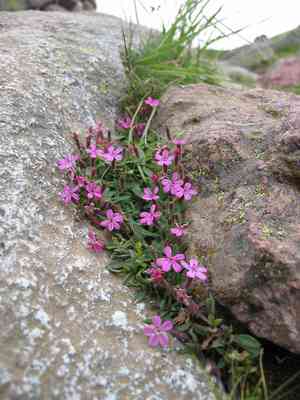
Rock soapwort thrives when relocated in the period spanning early to mid-spring or from mid-autumn to early winter, which facilitates robust root establishment. Select a site offering good drainage and abundant sunlight. Be sure to carefully untangle the roots and irrigate generously following the transplanting process to encourage vigorous development.
What Preparations are Needed Before Transplanting Rock Soapwort?
What is the Ideal Time for Transplanting Rock Soapwort?
Relocating rock soapwort is best done during the mild period of early to mid-spring, or the cool embrace of mid-fall to early winter. This optimal window respects the plant's natural cycle and encourages strong development. Indeed, moving rock soapwort during these times ensures a smooth adjustment to its new location and maximizes its flowering potential. Thus, anticipate a delightful botanical experience, showcasing rock soapwort's vibrant blooms. Just remember to plan ahead, including proper soil preparation and ideal transplanting timing.
How Much Space Should You Leave Between Rock Soapwort Plants?
When moving rock soapwort, aim for a separation of approximately 6-9 inches (15-23 cm) between plants to allow ample room for growth and spreading.
What is the Best Soil Mix for Rock Soapwort Transplanting?
To prepare the ground for rock soapwort, select a soil mixture that drains well with a pH between 6.0-7.5. Incorporate some organic material, such as aged compost, to boost fertility and moisture retention.
Where Should You Relocate Your Rock Soapwort?
Select a location for rock soapwort that receives full sun to partial shade. This is crucial for the plant's development and promotes abundant flowering and robust foliage.
What Equipments Should You Prepare Before Transplantation Rock Soapwort?
Gardening Gloves
To safeguard your hands from dirt and potential abrasions when handling the plant and soil.
Garden Spade or Trowel
To carefully excavate the rock soapwort without harming its root system.
Garden Fork
To loosen the earth in the new planting spot.
Watering Can or Hose
To pre-moisten the removal site and hydrate the plant post-transplant.
Compost
To supply essential initial nutrients to the plant.
Mulch
To help retain soil moisture after the transplanting process.
How Do You Remove Rock Soapwort from the Soil?
How Do You Remove Rock Soapwort from the Soil?
From Ground: First, lightly water the rock soapwort to dampen the soil, making extraction easier. Then, using your garden spade or trowel, dig a wide circle around the plant, ensuring sufficient depth to keep the root ball intact. Carefully work your tool beneath the root ball and gently lift the plant from the ground.From Pot: Initially, water the plant moderately. Invert the container and gently tap it to dislodge the rock soapwort and its soil from the pot. Hold the plant at its base and apply some pressure. Continue by easing it out of its pot, keeping as much of the rootball and soil undisturbed.From Seedling Tray: Water the tray, then carefully push each rock soapwort seedling out from the bottom. Hold them gently by their leaves to avoid damaging the stem and roots.
Step-by-Step Guide for Transplanting Rock Soapwort
Preparation
Begin by getting the new planting site ready. Using a garden fork, cultivate the soil to a depth of about 12 inches, and mix some compost into the loosened earth.
Digging a Hole
The next step involves digging a hole twice as wide as the rock soapwort's root ball and as deep as its height.
Planting
Now, position the rock soapwort in the hole, ensuring it stands upright. The top of the root ball should be level with or slightly above the surrounding soil surface. Firm the soil around the root ball, making sure the plant is stable.
Watering
After planting, thoroughly water the rock soapwort to settle the soil and eliminate any air pockets.
Mulching
Finally, spread a layer of mulch around the base of the rock soapwort to help maintain soil moisture.
How Do You Care For Rock Soapwort After Transplanting?
Watering
As the rock soapwort begins to establish roots, it's crucial to keep the soil consistently moist with regular irrigation.
Pruning
Lightly trim the plant to encourage denser growth and a more compact form.
Protection
If severe weather is anticipated immediately after transplanting, consider providing temporary cover to shield the rock soapwort.
Troubleshooting Common Issues with Rock Soapwort Transplantation.
When is the best time to transplant rock soapwort?
Move the rock soapwort either from the start of spring to its midpoint, or from mid-fall until the beginning of winter. These periods are most favorable for rock soapwort.
What is the recommended space to leave between rock soapwort plants during transplanting?
When transplanting, ensure each rock soapwort has approximately 6-9 inches (15-22 cm) of space on all sides. This provides adequate room for development and reduces competition for resources.
What should I do if my rock soapwort doesn't flower after transplantation?
Try adding a low-nitrogen, slow-release fertilizer. It promotes flower production in rock soapwort without causing excessive leaf growth. Also, ensure adequate watering and sunlight exposure!
Why are the leaves of my transplanted rock soapwort turning yellow?
Yellow leaves might indicate overwatering or poor drainage. Evaluate the soil condition and adjust irrigation as needed. If the issue persists, consider improving the soil's drainage capacity.
Can I transplant rock soapwort in the summer season?
Rock soapwort prefers cooler conditions for relocation. The heat and dryness of summer can significantly stress the plant, hindering its ability to establish and thrive.
Why does my transplanted rock soapwort look always wilted?
If your rock soapwort wilts despite consistent watering, it may be experiencing transplant shock. New plantings require extra gentle care – consider shading from intense sunlight and keeping the soil moist.
What should the soil be like for transplanting rock soapwort?
Rock soapwort thrives in well-draining soil. It should be rich, moderately fertile, and slightly alkaline. If not, you can improve the soil with compost or organic matter before transplanting.
Do I need to prune rock soapwort after transplantation?
Yes, post-transplant pruning can help rock soapwort re-establish more easily. Focus on above-ground growth, removing only damaged or dead parts, without affecting the root system.
What's the best way to water rock soapwort after transplantation?
Water rock soapwort thoroughly after transplanting, but then refrain from watering again until the top 1-2 inches (2.5-5 cm) of soil have dried out. This prevents oversaturation while ensuring sufficient hydration.
Why has my transplanted rock soapwort stopped growing?
Stunted growth can result from a lack of nutrients, improper watering, or even insufficient sunlight. Assess these factors and adjust accordingly to encourage healthy development.



