How to Transplant Mexican creeping zinnia?
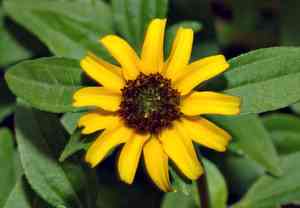
For mexican creeping zinnia, the most favorable period for transplanting is from late spring to early summer's warmth, facilitating a smooth adjustment. Position it in a bright spot with effective water runoff for robust growth. Bear in mind, careful handling aids in its successful rooting.
What Preparations are Needed Before Transplanting Mexican Creeping Zinnia?
What is the Ideal Time for Transplanting Mexican Creeping Zinnia?
For mexican creeping zinnia, the optimal period for relocation is during the mild conditions of late spring to early summer. This timing is beneficial as it allows you to enjoy mexican creeping zinnia's full beauty throughout the summer, and it enables their root systems to strengthen before intense heat arrives. By selecting this calm interval, you will observe vigorous development, as the soil is just warming up and nature provides the young plants with extended daylight and ample soft, filtered sunlight. It's a harmonious interaction with the seasons that primes mexican creeping zinnia for success, as they extend their tendrils and bloom under optimal circumstances.
How Much Space Should You Leave Between Mexican Creeping Zinnia Plants?
When getting ready to transplant mexican creeping zinnia, a key guideline to remember is proper spacing. You should, unlike some other plants, be somewhat generous and position each plant approximately 1-2 feet (30-60 cm) apart. This provides them with adequate room to expand and flourish.
What is the Best Soil Mix for Mexican Creeping Zinnia Transplanting?
Preparing suitable soil is crucial for planting mexican creeping zinnia. A well-draining soil enriched with compost or other organic material serves as the ideal foundation. Additionally, a slow-release fertilizer should be incorporated to support the plant's development.
Where Should You Relocate Your Mexican Creeping Zinnia?
To ensure mexican creeping zinnia thrive, select a location that receives full sun. However, they can also tolerate some partial shade. The best spot is one where the plant will receive at least 6 hours of direct sunlight daily. So, happy planting!
What Equipments Should You Prepare Before Transplantation Mexican Creeping Zinnia?
Shovel or Spade
To excavate the soil for relocating the mexican creeping zinnia.
Gardening Gloves
To safeguard your hands while handling the soil and the plant.
Watering Can
To hydrate the plant before extraction, and after replanting.
Garden Trowel
To assist with delicate root and planting tasks.
Wheelbarrow
To move the plant to its new site if necessary.
Planting Marker
To identify the plant species and the date of transplantation.
How Do You Remove Mexican Creeping Zinnia from the Soil?
How Do You Remove Mexican Creeping Zinnia from the Soil?
From Ground: Begin by watering the mexican creeping zinnia to soften the surrounding soil. Then, use your shovel or spade to dig a wide circle around the plant, deep enough to encompass most of the root ball. Exercise caution to avoid damaging the roots as you gently lift it from the ground.From Pot: Water the mexican creeping zinnia prior to initiating the transplanting process. Turn the pot on its side and gently tap it while supporting the plant at its base. Loosen the soil and carefully extract the plant with its root ball intact.From Seedling Tray: Ensure the mexican creeping zinnia seedlings are sufficiently developed to withstand transplantation. Gently push up the bottom of the seedling cells to ease out the plant with its roots. Be careful not to pull on the stems.
Step-by-Step Guide for Transplanting Mexican Creeping Zinnia
Preparation
Confirm the new planting site is ready before you begin moving the plant. The hole should be twice as wide and as deep as the root ball of the mexican creeping zinnia.
Removal
Execute the procedure outlined in the 'removal process' section based on the plant's current location. Remember to keep the roots moist.
Transplanting
Position the mexican creeping zinnia in the middle of the prepared hole. Backfill the hole with the excavated soil, gently pressing around to ensure the plant is stable and upright.
Watering
Water the transplanted mexican creeping zinnia generously immediately after moving it, ensuring the soil settles around the roots.
How Do You Care For Mexican Creeping Zinnia After Transplanting?
Watering
Maintain consistent watering for the mexican creeping zinnia, especially during the initial weeks post-transplant, to aid in its establishment. Avoid excessive watering to prevent root rot.
Pruning
Once mexican creeping zinnia has become established, prune the plant twice a year to maintain its form and encourage more blooms.
Weeding
Keep the area surrounding the mexican creeping zinnia clear of weeds that might compete for nutrients.
Mulching
Apply a layer of organic mulch around the mexican creeping zinnia to retain moisture, suppress weed growth, and enhance soil conditions.
Troubleshooting Common Issues with Mexican Creeping Zinnia Transplantation.
When is the best time to transplant mexican creeping zinnia?
Ideally, you should transplant mexican creeping zinnia during late summer to early autumn (Season 3 - Season 4). This allows the plant time to adjust before winter arrives.
What is the suggested distance between each mexican creeping zinnia during transplanting?
For optimal growth, maintain a minimum distance of 1-2 feet (30-60 cm) between each plant. This provides your plants with adequate space for development and ensures good air circulation.
How deep should the hole be for transplanting mexican creeping zinnia?
Excavate a hole twice the size of the root ball. This dimension gives the roots ample room to spread and establish themselves quickly after relocation.
How much water should I give to mexican creeping zinnia after transplanting?
Immediately after transplanting, water sufficiently to settle the soil around the roots. Subsequently, water mexican creeping zinnia moderately, keeping the soil moist but not overly saturated.
Should I fertilize mexican creeping zinnia after transplanting?
Yes, absolutely! Two weeks after transplanting, nourish mexican creeping zinnia with a balanced, slow-release fertilizer to boost its growth and develop strong roots.
What type of soil suits mexican creeping zinnia best for transplanting?
Mexican creeping zinnia thrives in well-drained soil, rich in organic matter. When transplanting, amend the planting hole with compost to increase its fertility and improve drainage.
Is it necessary to prune mexican creeping zinnia after transplanting?
No, it's not. However, you can remove any dead or damaged leaves. This helps the plant to direct energy towards new growth and enhances its overall appearance.
What are the common signs of transplant shock in mexican creeping zinnia?
Typical indicators include wilting, leaf drop or yellowing, and stunted growth. If observed, reduce stress with consistent watering, feeding, and providing shaded conditions.
Do I need to loosen the roots of mexican creeping zinnia before transplanting?
Conditionally yes, if the roots are tangled or tightly bound around the root ball, gently untangle them. This encourages better root expansion after transplanting.
What should be my focus for the first few weeks after transplanting mexican creeping zinnia?
Concentrate on keeping the soil consistently moist, but not waterlogged, protecting the plant from extreme weather, and regularly checking for signs of disease or pests.



