How to Transplant Cotton lavender?
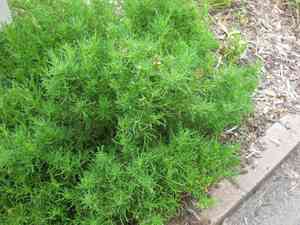
Relocate cotton lavender from early to late spring or late autumn to early winter for peak development. Provide a bright, adequately draining spot for the new planting. Shield juvenile plants from freezing temperatures and contemplate applying a layer of mulch to conserve moisture.
What Preparations are Needed Before Transplanting Cotton Lavender?
What is the Ideal Time for Transplanting Cotton Lavender?
The optimal period to relocate your cotton lavender is from early spring to its conclusion, or as temperatures begin to fall from late autumn to early winter. Moving the plant during these times offers the perfect temperature range for developing robust roots. The mild weather in spring and early winter also boosts your cotton lavender's adaptability, providing strong resilience and a head start before severe weather arrives.
How Much Space Should You Leave Between Cotton Lavender Plants?
To provide your cotton lavender ample room for development, position them 12-24 inches (30-60 cm) apart when moving them. This spacing will ensure they have sufficient area to flourish and expand.
What is the Best Soil Mix for Cotton Lavender Transplanting?
For cotton lavender, a light, well-draining soil is most suitable. Incorporate organic material like compost or aged manure to enrich the soil, and blend in a balanced, slow-release fertilizer prior to planting.
Where Should You Relocate Your Cotton Lavender?
Select a spot with full sun or partial shade for your cotton lavender. They require at least 6-8 hours of daily sunlight to grow vigorously for best outcomes.
What Equipments Should You Prepare Before Transplantation Cotton Lavender?
Gardening Gloves
To safeguard your hands while handling roots and prevent any unexpected injuries.
Garden Trowel
To excavate the cotton lavender plant from its initial spot and to prepare the new planting hole.
Shovel
To assist in digging a wider perimeter if the plant is larger.
Watering Can
To hydrate the plant before and after its relocation.
Garden Hose
A convenient alternative to the watering can for bigger areas.
Wheelbarrow
To move the plant from its original position to the new site.
Organic Matter
To enhance drainage and soil fertility in the new location.
How Do You Remove Cotton Lavender from the Soil?
How Do You Remove Cotton Lavender from the Soil?
From Ground: Start by irrigating the cotton lavender around its roots to soften the earth. Use a trowel or shovel, depending on the plant's size, to dig a wide circle around the plant, being careful not to harm its roots. Once loosened, gently lift the plant from the hole.From Pot: Water the cotton lavender thoroughly before beginning. Invert the pot and, if feasible, tap it lightly to loosen the soil and roots. Try to keep as much of the root ball intact as you carefully slide the plant out.From Seedling Tray: Hydrate the cotton lavender tray to loosen the soil. Gently push upward from the base beneath the cell, holding onto the seedling's leaf, not the stem, to extract it from the cell.
Step-by-Step Guide for Transplanting Cotton Lavender
Site Preparation
Prepare your new location by digging a hole twice the width of the root ball and equal in depth. Add organic material to the hole if necessary.
Placement
Position the cotton lavender into the hole. The top of the root ball should be level with or slightly above the surrounding soil.
Backfill
Fill in around the plant with the soil. Gently firm the soil around the roots, but avoid compacting it excessively.
Watering
Water the cotton lavender thoroughly after planting. Pour the water slowly at the plant's base to minimize the creation of air pockets.
How Do You Care For Cotton Lavender After Transplanting?
Regular Check
Monitor the cotton lavender closely as it might droop shortly after transplanting. This is normal stress from root disturbance. However, if it continues to wilt after a few days, it may require more water or different sun exposure.
Mulching
Applying a layer of mulch around the cotton lavender can help retain soil moisture and inhibit weed growth.
Pruning
Trim back the cotton lavender after transplanting if it appears leggy. This can stimulate new growth and help the plant direct its energy towards root development.
Watering
Always check the soil's moisture level. The plant might need consistent watering until it establishes itself in the new spot. Nevertheless, avoid overwatering as it can lead to root rot.
Troubleshooting Common Issues with Cotton Lavender Transplantation.
When is the most ideal time to transplant cotton lavender?
Relocate cotton lavender from the start of spring to late spring, or from the end of fall to the beginning of winter. These periods are optimal for its growth.
What is the optimal space between cotton lavender when planting?
Cotton lavender plants should be spaced approximately 12-24 inches (30-60 cm) apart. This allows for ideal growth and plant health.
What can I do if the cotton lavender doesn't seem to take root after transplanting?
If cotton lavender struggles to establish roots, consider replanting it. Ensure the hole is of the correct depth and provide good-quality compost. Water moderately too.
How much water does cotton lavender require after transplantation?
Cotton lavender prefers to remain slightly dry, so avoid excessive watering. Ensure the root ball is moist but not waterlogged, especially after transplanting.
What should I do if the cotton lavender's leaves begin to turn yellow after transplantation?
Yellow leaves might indicate waterlogging. Check the soil's moisture levels. If soggy, reduce watering. Check for proper draining conditions to avoid water pooling.
Which type of soil is best for transplanting cotton lavender?
Cotton lavender thrives well in well-drained soil with a neutral pH. Adding compost can enhance the soil's nutrient content and improve plant health.
Should I add compost or fertilizer during cotton lavender transplantation?
Yes, adding compost during transplantation enriches the soil and helps cotton lavender establish quicker. Just be careful not to over-fertilize.
How deep should the hole be when transplanting cotton lavender?
The hole should be twice the size of the root ball of the cotton lavender. This allows the roots to spread out easily.
Do I need to prune cotton lavender before transplanting?
Yes, lightly trim back cotton lavender prior to transplanting it. This helps to reduce transplanting shock and promotes healthier growth post-transplant.
What if the cotton lavender starts wilting after transplanting?
Wilting may be a sign of transplant shock. Ensure optimal water and light conditions. If wilting persists, you might need to consider replanting the cotton lavender.



