How to Transplant Iguanatail?
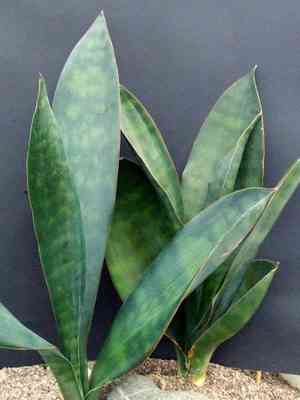
The most favorable period for relocating iguanatail is during the onset of warmer weather, generally spanning from late spring to early summer, to foster vigorous development. To achieve a successful transplant, select a brightly illuminated spot that receives filtered sunlight and emphasize the necessity of soil that drains effectively, recommending a delicate approach throughout the procedure to safeguard the root system.
What Preparations are Needed Before Transplanting Iguanatail?
What is the Ideal Time for Transplanting Iguanatail?
The best time to move iguanatail is during the pleasant warmth of early summer, when the ground is invitingly warm. This period perfectly matches the plant's growth cycle, giving it plenty of chance to develop a strong root system in its new spot before colder weather arrives. By choosing this season, you'll give iguanatail the best opportunity to flourish, ensuring it gets the gentle warmth and extended daylight it needs for a smooth transition.
How Much Space Should You Leave Between Iguanatail Plants?
When relocating your iguanatail, aim for a separation of 18-24 inches (45-60 cm). This provides sufficient room for development, ensuring they will thrive without competing for nutrients.
What is the Best Soil Mix for Iguanatail Transplanting?
Prepare a soil mixture that drains well and is enriched with a balanced, slow-release fertilizer for your iguanatail. Loamy or sandy soil types are most suitable, providing an excellent base for healthy growth.
Where Should You Relocate Your Iguanatail?
Select a spot for your iguanatail that receives bright, indirect sunlight. An east-facing window or an area with filtered afternoon shade would be perfect to meet your plant's light requirements.
What Equipments Should You Prepare Before Transplantation Iguanatail?
Gardening Gloves
To safeguard your hands while handling soil and plants.
Shovel or Spade
To excavate the plant from its initial location.
Hand Trowel
For precise work around the roots and planting in the new spot.
Watering Can or Hose
To hydrate the plant before and after its relocation.
Measuring Tape
To determine the correct distance between the new planting sites.
Wheelbarrow or Plant Dolly
For moving the iguanatail if it is large or heavy.
Pruning Shears
To trim any damaged roots or leaves if necessary.
How Do You Remove Iguanatail from the Soil?
How Do You Remove Iguanatail from the Soil?
From Ground: First, water the iguanatail to moisten the soil. Then, dig a wide trench around the plant using a shovel or spade, making sure to keep the plant's root ball intact. Carefully work the spade beneath the root ball to lift the plant from its original spot.From Pot: Water the iguanatail to make the soil pliable. Turn the pot on its side, hold the plant gently at its base, and tap the bottom of the pot to loosen it. If needed, run a hand trowel along the inside edge of the pot to help separate the root ball.From Seedling Tray: Water the seedlings to ensure the soil is damp. Use a hand trowel or a fork to gently lift the iguanatail out of its cell, being careful not to harm the delicate roots.
Step-by-Step Guide for Transplanting Iguanatail
Arrangement
Gather all necessary tools and materials in your workspace before starting the transplant to prevent any interruptions.
Dig Helper Holes
Measure an appropriate distance between the planned holes and dig them larger than the iguanatail's root ball to allow roots room to spread.
Plant Removal
Follow the specific removal instructions mentioned above, carefully keeping the root ball undamaged.
Transplanting
Place the iguanatail in the center of the new hole at the same depth it was originally growing. Fill around the root ball with soil, and gently pat it down to remove air pockets.
Anchor Root Ball
Use your hands to create a small basin around the plant's base to hold water when irrigating, ensuring the iguanatail's better hydration and establishment.
How Do You Care For Iguanatail After Transplanting?
Immediate Watering
Water the iguanatail thoroughly right after transplanting to help settle the soil and hydrate the roots.
Mulching
Apply a layer of mulch around the base of the iguanatail to help retain moisture, regulate soil temperature, and reduce weed competition.
Observation
Monitor the iguanatail for signs of stress, such as wilting or yellowing leaves, and adjust care promptly.
Gentle Feeding
After a few weeks, apply a balanced, slow-release plant food to encourage strong new growth.
Troubleshooting Common Issues with Iguanatail Transplantation.
What's the best season for transplanting iguanatail successfully?
The optimal period to transplant iguanatail is from late spring to early summer, ensuring a warm growing season ahead.
What spacing is ideal for iguanatail when transplanting?
Ensure to space your iguanatail at least 18-24 inches (45-60 cm) apart to provide them ample room to flourish.
How deep should the hole be for transplanting iguanatail?
The hole should be just deep enough so that iguanatail's roots sit comfortably and the base is level with the soil surface.
Should I water iguanatail immediately after transplanting?
Yes, water iguanatail generously right after transplanting to settle soil around the roots and aid recovery.
How can I tell if iguanatail is ready for transplant?
When iguanatail outgrows its current pot or the roots start to circle the soil's surface, it's time to transplant.
How much sunlight does iguanatail need after transplanting?
After transplanting, iguanatail should be placed in bright, indirect light to avoid stress while it establishes.
How do I prepare the soil for transplanting iguanatail?
Mix well-draining potting soil with organic matter to prepare a nourishing bed for iguanatail.
Can I use fertilizer when transplanting iguanatail?
It's best to avoid fertilizing immediately; wait a few weeks to let iguanatail settle into its new environment.
What's the ideal pot size for transplanting iguanatail?
Choose a pot that's slightly larger than the current one, giving iguanatail a few inches of room to grow.
How do I handle iguanatail's roots during transplanting?
Gently tease out iguanatail's roots to encourage outward growth, taking care to avoid damage.



