How to Transplant Bloodroot?
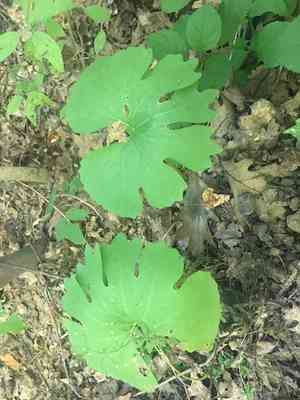
The most favorable period for transplanting bloodroot is as spring invigorates the groundâspecifically during the early to middle part of the season. Select a location offering shade and possessing fertile, adequately draining earth. Careful manipulation of the fragile root system will foster successful establishment.
What Preparations are Needed Before Transplanting Bloodroot?
What is the Ideal Time for Transplanting Bloodroot?
The best time to move bloodroot is in early spring, or as mid-spring progresses. This timing aligns with the plant's natural growth cycle, allowing it to establish roots in cooler, damp soil before the summer heat arrives. Transplanting bloodroot during this period offers a distinct advantage; it provides the plant with a full growing season to develop a strong root system. This ensures a vigorous, healthy display for many years. A gentle reminder, dear gardener, that this preferred timeframe gives bloodroot the tender care it needs for a smooth transition into its new home.
How Much Space Should You Leave Between Bloodroot Plants?
To provide your bloodroot with ample room to grow, position each plant 0.5-1 foot (15-30 cm) apart. This will allow them sufficient space to establish without competition and achieve optimal development.
What is the Best Soil Mix for Bloodroot Transplanting?
Your bloodroot will thrive in a well-draining soil mixture rich in organic matter. Begin by incorporating a base fertilizer to enrich the soil, ensuring bloodroot have the necessary nutrients to flourish!
Where Should You Relocate Your Bloodroot?
When selecting a new spot for your bloodroot, choose an area that receives partial to full shade. This plant prefers less direct sunlight, mimicking its natural forest environment.
What Equipments Should You Prepare Before Transplantation Bloodroot?
Gardening Gloves
To safeguard your hands while handling the plant and soil.
Garden Shovel
To excavate the hole in the ground where bloodroot will be replanted.
Hand Trowel
To assist in extracting the plant from its original position.
Pruning Shears
This tool will be useful if any damaged roots require removal.
Watering Can
To moisten the soil and provide the bloodroot with water after replanting.
Gardening Fork
This useful tool will help to loosen the soil around the plant, making extraction easier.
Burlap
In case the roots need protection during transport.
How Do You Remove Bloodroot from the Soil?
How Do You Remove Bloodroot from the Soil?
From Ground: Begin by watering the bloodroot to moisten the surrounding soil. This facilitates easier removal of the plant without harming its roots. Use a hand trowel or gardening fork to dig a wide circle around the plant, being careful not to cut into the root system. Gently work the tool beneath the plant and lift it from the ground, keeping the roots as intact as possible.From Pot: Water the plant thoroughly beforehand. Tilt the pot sideways, gently grasp bloodroot and pull it out of the pot. You might need to tap the pot's edge to loosen the soil and roots.From Seedling Tray: First, water the seedlings thoroughly. Gently hold the bloodroot by its leaves, never by its stem, and push up from the tray's bottom to lift it out. Handle the seedling by its root ball, not its stem, to prevent any damage.
Step-by-Step Guide for Transplanting Bloodroot
Digging the Hole
Start by using your shovel to dig a hole in the ground. The hole should be twice the width of the plant's root ball and equally deep.
Preparing the Plant
Remove the bloodroot from its initial location following the instructions above. If any roots are broken or damaged, trim them using pruning shears.
Placing in the Hole
Carefully position the bloodroot in the hole, ensuring it's at the same depth as it was in its original spot. The plant should stand upright, and its roots should be spread out evenly.
Backfill the Hole
Refill the hole with soil, pat it down firmly but gently to eliminate any air pockets. Be careful not to bury the bloodroot's stem with soil. Water the plant generously using the watering can.
Monitor
Observe closely for the next few days to ensure the plant is adjusting well to its new surroundings.
How Do You Care For Bloodroot After Transplanting?
Mulching
Apply a layer of mulch around your bloodroot to retain moisture and suppress weeds. Avoid piling mulch against the plant stem, as this can lead to stem rot.
Watering
Water the bloodroot thoroughly after transplanting, maintaining consistent moisture levels in the initial weeks. They prefer slightly moist but well-drained soil. Prevent waterlogging, as it can cause root rot.
Pruning
If you notice any wilting or yellow leaves after transplant, prune them off to reduce plant stress.
Monitoring
Watch for signs of distress or disease in your bloodroot, such as wilting, yellowing, or unusual growth. If you observe any of these indicators, adjust your care routine as needed.
Troubleshooting Common Issues with Bloodroot Transplantation.
When's the best time to transplant bloodroot?
The ideal season to transplant bloodroot is between season 1 and season 2. Adhering to this schedule is crucial for successful growth.
What's the proper spacing for bloodroot?
Bloodroot plants need sufficient room to grow, ideally spaced 0.5-1 foot (15-30 cm) apart. This prevents overcrowding and promotes healthy development.
How do I prepare the ground for transplanting bloodroot?
Ensure the soil is well-drained and rich in organic matter. Dig a hole twice as wide as the root ball and approximately the same depth (6-8 inches / 15-20 cm).
Why are my transplanted bloodroot wilting?
Wilting may indicate insufficient water. Water bloodroot immediately after transplanting and then regularly, ensuring soil moisture, especially during dry periods.
Should I fertilize bloodroot after transplanting?
Yes, provide bloodroot with a slow-release, balanced fertilizer after planting. Avoid excessive fertilization to prevent damage to the newly established root system.
My transplanted bloodroot are turning yellow, why?
This could suggest watering problems or a nutrient deficiency. Ensure the plant receives adequate water and consider using a well-balanced fertilizer.
How deeply should I plant bloodroot?
Bloodroot should be planted so that the top of the root ball is level with the soil surface (6-8 inches / 15-20 cm deep). Never bury the stems.
What's the best location to transplant bloodroot?
Bloodroot prefers shaded or partially shaded areas. Ensure it receives filtered sunlight for a few hours daily for healthier growth.
When will my transplanted bloodroot start blooming?
With proper care, bloodroot typically blooms in spring. Keep in mind that transplant stress could lead to a delayed flowering season.
What should I do if the transplanted bloodroot's growth seems stunted?
Ensure bloodroot isn't overcrowded and is receiving adequate water and nutrients. If the issue persists, consider a soil test to identify any deficiencies.



