How to Transplant North china red elder?
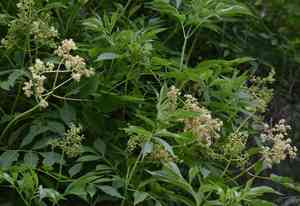
The most suitable time to transplant north china red elder is in mid-spring, a season characterized by renewal and robust development. Choose a location featuring soil that drains effectively and offers partial shade. Carefully managing the root system during relocation aids in successful establishment and promotes overall health.
Essential Preparations Before Relocating North China Red Elder?
When is the Optimal Period for Moving North China Red Elder?
The prime time to relocate north china red elder is during the revitalizing period of late spring. The moderate temperatures and consistent moisture during this season encourage strong root development. Moving north china red elder as nature awakens allows the plant to settle comfortably in its new spot, promoting vigorous growth and a smooth adjustment. Placing north china red elder during this fertile time utilizes nature's cycle of renewal, boosting survival rates and ensuring a flourishing start for the upcoming year.
What is the Recommended Spacing Between North China Red Elder Plants?
When preparing to rehome north china red elder in your garden, remember to provide a comfortable distance of 6-10 feet (1.8-3 meters) between each plant. This ensures every north china red elder has ample room to thrive and expand its foliage!
What is the Ideal Soil Blend for North China Red Elder Relocation?
For your north china red elder, the perfect foundation for its roots is well-draining soil rich in organic material. Incorporating a mild, slow-release fertilizer initially will give your north china red elder a positive start. Aim for a pH between 5.5 and 6.5 for optimal root health!
Where is the Best Place to Replant Your North China Red Elder?
Your north china red elder loves sunlight but also appreciates some shade during the hottest part of the day. Select a spot that receives full to partial sunâat least 4-6 hours of direct sunlight dailyâto keep your north china red elder flourishing.
What Tools Are Necessary Before Relocating North China Red Elder?
Gardening Gloves
To safeguard your hands while handling soil and the plant.
Shovel or Spade
For excavating the plant from its original spot.
Garden Fork
To assist in loosening the soil surrounding the root ball.
Watering Can or Hose
For hydrating the north china red elder before and after its move.
Pruners or Scissors
To trim any damaged roots or stems.
Wheelbarrow or Garden Cart
To transport the plant and soil efficiently.
Measuring Tape
To ensure correct spacing when planting in the ground.
Mulch
To apply around the plant's base post-transplant for moisture retention and weed control.
How to Extract North China Red Elder from the Ground?
How to Extract North China Red Elder from the Ground?
From Ground: Begin by watering the north china red elder to soften the earth. Use a shovel to dig a wide circle around the plant, being careful not to harm the root ball. Gently insert a garden fork beneath to help loosen and lift the plant, keeping as much of the root ball intact as possible.From Pot: First, water the north china red elder thoroughly to facilitate removal. Tilt the pot sideways and gently tap or squeeze the sides to loosen the roots. If needed, use pruners to cut the pot away without damaging the roots. Then, carefully slide the plant out, supporting the root ball.From Seedling Tray: Water the seedling tray to make the soil pliable. Use a small tool, such as a dibber or spoon, to carefully lift individual plants from their cells, ensuring the delicate roots and surrounding soil are preserved.
Detailed Instructions for Relocating North China Red Elder
Preparing the new site
Determine the approximate size of your north china red elder's root ball and dig a hole in the ground that is twice as wide and equally deep. Loosen the soil around the hole to facilitate root expansion.
Root Ball Care
Inspect the north china red elder's root ball, removing any broken or damaged roots with clean pruners. If the plant was root-bound in its previous container, gently separate the roots.
Plant Placement
Position the north china red elder in the center of the prepared hole, ensuring the top of the root ball is level with the surrounding ground. Adjust the hole's depth if necessary.
Backfilling the Hole
Fill in around the root ball with the excavated soil, gently firming it down to eliminate air pockets. Water thoroughly after backfilling to help settle the soil around the roots.
Adding Support
If your north china red elder is large or in a windy area, insert a stake near the base and gently tie the plant to it for stability while the roots establish.
Mulching
Spread an even layer of mulch around the base of the north china red elder, keeping it a few inches away from the stem to prevent rot and pests.
How to Care for North China Red Elder After Relocation?
Watering
For the initial few weeks, water the north china red elder deeply to encourage root development. Avoid letting the soil dry out completely, but do not overwater.
Staking
Monitor your stakes and supports, ensuring they are secure but not too tight as the north china red elder grows.
Pruning
Trim away any dead or damaged foliage to encourage new growth and reduce stress on the north china red elder.
Observation
Keep an eye on your north china red elder for signs of transplant shock, such as wilting or leaf drop, and take appropriate action if necessary.
Addressing Common Issues with North China Red Elder Relocation.
What is the optimal time of year to move north china red elder?
Relocate north china red elder during the ideal window from mid to late spring for best establishment.
How much space should I allow between north china red elder when moving them?
Ensure each north china red elder has ample room to flourish by spacing them 6-10 feet (1.8-3 meters) apart.
Why is my north china red elder wilting after being moved?
Wilting may be due to shock. Ensure sufficient water and avoid direct sun until the plant recovers.
How do I prepare the soil for moving north china red elder?
Prepare the soil by ensuring it is fertile, well-drained, and mulched to retain moisture.
How deep should the hole be for moving north china red elder?
Dig a hole as deep as the root ball and twice as wide to allow roots to spread.
What should I do if north china red elder shows signs of relocation shock?
Maintain soil moisture, provide shade, and avoid fertilizers until signs of recovery like new growth appear.
Should I prune north china red elder when moving it?
Light pruning to remove damaged or dead branches can stimulate healthy growth after relocation.
Can I move north china red elder on a hot, sunny day?
Avoid moving north china red elder on hot, sunny days. Overcast days are ideal to prevent stress.
Do I need to fertilize north china red elder immediately after moving?
Wait to fertilize until north china red elder has established in its new location to prevent root burn.
How much should I water north china red elder after moving?
Water thoroughly to settle the soil around the roots, then maintain consistent moisture without overwatering.



