How to Transplant American elder?
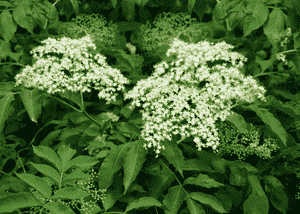
The ideal period for relocating american elder is amidst the burgeoning vitality of early to mid-spring. Select a site featuring somewhat acidic, adequately draining earth that receives ample sunlight to partial shade. Bear in mind, careful manipulation of the fragile root system contributes to a successful transplantation.
What Preparations are Needed Before Transplanting American Elder?
What is the Ideal Time for Transplanting American Elder?
The best period for relocating american elder is during the revitalizing phase of early to mid-spring. This timeframe allows american elder sufficient development in its new spot prior to winter. Moving it during these refreshing months can foster a robust, thriving american elder, making the effort worthwhile.
How Much Space Should You Leave Between American Elder Plants?
For american elder, an appropriate transplant distance is 8-12 feet (2.4 - 3.7 meters) apart. This will provide ample room for the plants to grow and expand while minimizing competition for nutrients and sunlight.
What is the Best Soil Mix for American Elder Transplanting?
To prepare the soil, utilize a well-draining, loamy soil with a pH between 5.5 and 7. Incorporate some organic compost or well-rotted manure as a foundational fertilizer to supply essential nutrients for american elder.
Where Should You Relocate Your American Elder?
Ensure the new location receives full sun to partial shade. American elder requires approximately 6-8 hours of daily sunlight for optimal development. Select a spot with good sun exposure and minimal obstructions from nearby structures or trees.
What Equipments Should You Prepare Before Transplantation American Elder?
Gardening Gloves
To safeguard your hands while handling soil and the plant.
Shovel or Spade
To excavate a hole for the american elder plant at the new site and extract the plant from its original position.
Garden Trowel
To assist in creating a more precise planting hole and working with the soil.
Pruning Shears
To trim any damaged roots or branches if necessary.
Watering Can or Hose
To hydrate the american elder plant before and after its relocation.
Mulch
To aid in moisture retention and weed suppression around the transplant area.
How Do You Remove American Elder from the Soil?
How Do You Remove American Elder from the Soil?
From Ground: First, moisten the american elder plant to dampen the soil. Then, excavate a wide trench around the plant using a shovel or spade, ensuring the plant's root ball remains intact. Carefully work the spade beneath the root ball to lift the plant from its initial spot.From Pot: Hydrate the american elder plant, then gently extract it from its container by placing your hand over the soil surface, inverting the pot, and tapping it lightly. If the plant is root-bound, carefully untangle the roots before transplanting.From Seedling Tray: Water the american elder seedlings, then use a garden trowel or spoon to carefully lift each seedling from the tray while preserving its root system.
Step-by-Step Guide for Transplanting American Elder
Site Selection
Choose a spot that offers ample room for your american elder plant to grow and spread. Avoid planting it too close to buildings or other vegetation.
Digging the Hole
Using a shovel or spade, dig a hole that is slightly wider and deeper than the american elder plant's root ball. Break up any compacted soil at the bottom of the hole for improved root penetration.
Setting the Plant
Center the american elder plant in the hole, ensuring the top of the root ball is level with the surrounding soil. Backfill the hole with soil, gently firming it around the root ball. Avoid planting the plant too deep or too shallow.
Watering
Use a watering can or hose to thoroughly soak the soil around the american elder plant, allowing the water to penetrate and settle the soil.
Mulching
Add a layer of mulch around the base of the american elder plant, extending it beyond the planting hole to help conserve moisture and suppress weeds. Avoid placing mulch directly against the plant's stems.
How Do You Care For American Elder After Transplanting?
Watering
Keep the soil around the american elder consistently moist, but not waterlogged, for the initial weeks after transplanting to help establish strong roots. Afterward, water when the top inch of soil feels dry.
Pruning
Prune the american elder in late winter or early spring to maintain its form and size. Remove any dead or damaged branches at this time.
Frost Protection
In colder climates, shield the american elder from frost by applying a layer of winter mulch or wrapping the plant with frost protection fabric.
Pest and Disease Management
Regularly inspect the american elder for indications of pests or diseases. Take prompt action, such as pruning affected areas or applying suitable treatments, to prevent further harm to the plant.
Troubleshooting Common Issues with American Elder Transplantation.
When is the best time to transplant american elder?
Relocate american elder in the early to mid-spring for optimal outcomes. This allows the plant to establish its root system in the new location before the summer heat arrives.
What's the ideal distance between each american elder when transplanting?
Provide each american elder ample room to grow. Plant them 8 to 12 feet (2.4 to 3.7 meters) apart. This aids in ensuring proper airflow and sufficient space for root and branch expansion.
How deep should we plant american elder during the transplant?
Always plant american elder at the same depth as they were in their previous spot. This depth would typically be about the diameter of the root-ball.
Does american elder need special soil for transplanting?
American elder is quite adaptable, but they prefer moist, fertile soil with plenty of organic matter. Small adjustments like adding compost can help improve the soil quality.
How to handle american elder's roots during transplanting?
Minimize root damage when handling american elder. Gently tease roots if they appear compacted and spread them out when placing them into the planting hole.
What should be done after transplanting american elder?
After transplantation, water american elder generously. Keeping the soil slightly moist rather than waterlogged yields better results, and continue this until the plant is well established.
Is there a need for any special care for american elder after transplantation?
Monitor young american elder after transplantation. They may be vulnerable to pests or diseases until fully established. Don't worry, with your gentle care, they will thrive!
Why are my transplanted american elder wilting?
Wilting can indicate transplant shock for american elder. Ensure american elder has plenty of water, and its roots were not compacted or excessively disturbed during the process.
How can I promote healthy growth in american elder after transplanting?
Fertilize transplanting american elder in the late winter or early spring. A slow-release shrub and tree fertilizer can encourage healthy growth.
What if american elder doesnât establish after transplantation?
If american elder fails to take root and exhibit new growth within 6-8 weeks post-transplant, it might be best to replant. Remember, transplanting is an art, that's mastered with care and patience!



