How to Transplant Rosemary?
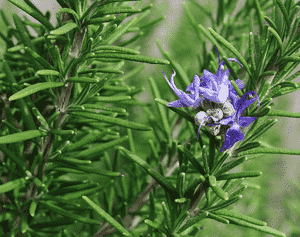
The optimal period for relocating rosemary is from mid-spring through late-spring, or mid-autumn through late-autumn, as this facilitates root development prior to harsh weather conditions. Select a bright spot with soil that drains effectively. Carefully untangle the roots during the transfer to enhance subsequent growth.
What Preparations are Needed Before Transplanting Rosemary?
What is the Ideal Time for Transplanting Rosemary?
The optimal period to relocate rosemary is from mid to late spring, or mid to late autumn. This ensures favorable conditions, fostering robust root development and vigorous growth. You'll enjoy abundant foliage and a thriving plant!
How Much Space Should You Leave Between Rosemary Plants?
When relocating rosemary, aim for a separation of approximately 2-4 feet (60-120 cm) between each specimen. This will provide ample room for them to expand and flourish.
What is the Best Soil Mix for Rosemary Transplanting?
For rosemary, soil that drains effectively is crucial. Consider incorporating some organic material or compost to enhance the soil's structure. As a foundational nutrient, utilize a balanced slow-release granular fertilizer, such as a 10-10-10 blend.
Where Should You Relocate Your Rosemary?
Rosemary thrives in sunlight! Select a spot that receives at least 6-8 hours of direct sun daily. This will ensure your plant develops robustly and healthily.
What Equipments Should You Prepare Before Transplantation Rosemary?
Gardening Gloves
To safeguard your hands while handling soil and the plant.
Shovel or Spade
For excavating a hole in the ground and extracting the plant from its initial spot.
Garden Trowel
For manipulating the soil within the planting cavity.
Garden Fork
For loosening the earth surrounding the plant in its original position.
Pruning Shears
For trimming away any dead, diseased, or damaged branches.
Watering Can or Hose
For hydrating the plant in its new location.
Mulch
To aid in moisture retention and suppress weeds around the plant post-transplant.
How Do You Remove Rosemary from the Soil?
How Do You Remove Rosemary from the Soil?
- From Ground:First, moisten the rosemary plant to dampen the soil. Then, excavate a broad trench around the plant using a shovel or spade, ensuring the plant's root ball remains intact. Carefully work the spade beneath the root ball to lift the plant from its initial position.- From Pot:Hydrate the rosemary plant in its container. Gently slide the plant out, taking care not to harm the roots. Loosen the root ball by lightly massaging the roots to help them adapt to their new environment more easily.- From Seedling Tray:Water the rosemary seedlings and carefully extract them from the tray by pressing up on the base of each cell individually. Gently loosen the roots by lightly massaging them, if necessary.
Step-by-Step Guide for Transplanting Rosemary
Root Preparation
Carefully remove any lifeless or compromised roots from the rosemary plant. Proper root preparation ensures the plant can establish itself quickly in its new location.
Hole Digging
Excavate a hole that is twice as wide and deep as the rosemary plant's root ball, using a shovel or spade. This provides ample space for the roots to spread and grow easily.
Soil Amendment
If the soil in the planting hole is dense clay or excessively sandy, incorporate some compost to enhance drainage and supply nutrients to the rosemary plant.
Placing the Plant
Position the rosemary plant in the hole, ensuring its crown is level with the soil surface. Carefully backfill the hole with soil, gently firming it around the root ball with your hands.
Watering
Thoroughly water the rosemary plant immediately after transplanting to help the soil settle and eliminate air pockets around the roots.
Mulching
Apply a layer of mulch around the rosemary plant to help conserve moisture, maintain a more consistent soil temperature, and reduce weed growth.
How Do You Care For Rosemary After Transplanting?
Monitoring
Inspect the rosemary plant daily for indications of wilting or stress, and take appropriate measures, such as providing additional water, shade, or support.
Pruning
Trim back any damaged, dead, or diseased branches to encourage healthy new growth.
Fertilizing
Wait at least one month after transplanting before fertilizing the rosemary plant to avoid burning the roots.
Pest Control
Keep an eye out for pests and treat any infestations promptly to prevent damage to the rosemary plant.
Seasonal Care
Provide any necessary seasonal care, such as protecting the rosemary plant during harsh winter weather or extreme heat in the summer.
Troubleshooting Common Issues with Rosemary Transplantation.
When is the best time to transplant rosemary?
Relocate rosemary in mid-spring to late spring, or mid-fall to late fall for optimal outcomes.
What is the ideal spacing for rosemary when transplanting?
Space rosemary 2-4 feet (0.6-1.2 meters) apart to provide sufficient room for development.
How deep should the hole be when transplanting rosemary?
Dig a hole that is twice as wide and deep as the root ball of your rosemary plant.
What type of soil is best for transplanting rosemary?
Rosemary prefers well-draining soil with a pH between 6.0 and 7.0 for optimal growth.
How should I water rosemary after transplanting?
Water rosemary thoroughly after transplanting, ensuring the soil is moist but not waterlogged.
How much sunlight does rosemary need after transplanting?
Rosemary requires full sun, with at least 6-8 hours of direct sunlight per day.
Should I fertilize rosemary after transplanting?
Fertilize rosemary with a balanced, slow-release fertilizer once after transplanting to promote growth.
How can I protect rosemary from transplant shock?
Protect rosemary from transplant shock by watering it deeply, adding mulch, and avoiding excessive pruning.
When can I start harvesting rosemary after transplanting?
Allow rosemary a few weeks to establish strong roots before harvesting leaves or branches.
What signs indicate transplant issues with rosemary?
Wilting, yellowing, or dropping leaves may indicate transplant issues with rosemary. Adjust care accordingly.



