How to Transplant Meadow sage?
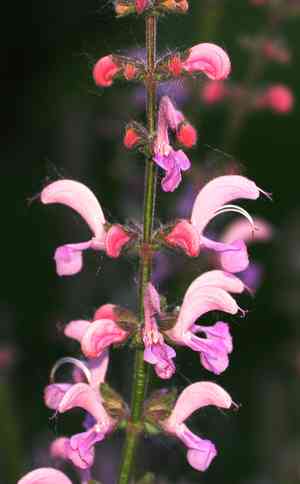
For optimal outcomes, relocate meadow sage preferably from early to late spring or from mid-autumn to early winter. Select a site with full sun exposure to partial shade to preserve its vivid hues. During the transplanting process, ensure meadow sage has ample space to expand and thrive. Enjoy your gardening!
Essential Preparations Before Relocating Meadow Sage
Optimal Period for Relocating Meadow Sage
The prime window for relocating meadow sage spans from early to late spring, or from mid-autumn to early winter. Moving plants during these times allows meadow sage to establish roots and acclimate to its new environment without harsh weather extremes. Rest assured, your meadow sage will thrive in its new location!
Recommended Spacing Between Meadow Sage Plants
When relocating meadow sage, ensure a spacing of approximately 12-18 inches (30-45 cm) between plants. This provides ample room for growth and expansion, leading to a robust and visually appealing plant display.
Ideal Soil Mixture for Meadow Sage Relocation
For meadow sage, a well-draining soil is preferred, ideally a loamy or sandy blend. Incorporate a slow-release, balanced fertilizer to provide nutrients and encourage vigorous, healthy development.
Selecting a New Location for Your Meadow Sage
Choose a garden spot where meadow sage will receive full sun to partial shade. This translates to at least 6 hours of direct sunlight daily, which promotes abundant and vibrant blooms throughout the season.
Tools Required for Meadow Sage Relocation
Gardening Gloves
To safeguard your hands while handling the plant and soil.
Shovel or Spade
For carefully excavating around the plant's root system.
Hand Trowel
To easily scoop and backfill soil around the plant.
Wheelbarrow
For transporting the plant and soil materials.
Pruning Shears
To trim back any excessive growth before and after relocation.
Watering Can or Hose
To hydrate the plant before and after its move.
Mulch
To help maintain soil moisture around the plant post-relocation.
Method for Extracting Meadow Sage from the Ground
How to Extract Meadow Sage from its Current Location
From Ground: Start by watering the meadow sage plant to soften the soil. Next, use a shovel or spade to dig a wide, deep circle around the plant, being very careful not to damage the roots. Gently pry the tool under the root ball and slowly lift the plant from its hole.From Pot: Hydrate the meadow sage plant before beginning. Carefully tilt the pot sideways and guide the plant and its soil out, supporting the plant's base. If the plant is root-bound, gently loosen the roots.From Seedling Tray: Moisten the tray's substrate to keep the seedling's roots intact during removal. Hold the meadow sage plant by its leaves, not the stem, and gently push the base from underneath the tray.
Step-by-Step Guide for Relocating Meadow Sage
Site Preparation
Clear the relocation area of any debris and remove all weeds. The chosen spot should offer ample room for the plant's future growth.
Hole Preparation
Excavate a hole using a hand trowel or shovel. This hole should be twice as wide and as deep as the plant's root ball.
Plant Placement
Carefully position the meadow sage in the hole, ensuring the top of the root ball is level with the surrounding ground.
Soil Backfill
Refill the hole with the excavated soil. Lightly firm the soil around the base of the meadow sage, but avoid excessive compaction to allow for proper water and air circulation.
Watering
Thoroughly water the meadow sage immediately after relocation.
Post-Relocation Care for Meadow Sage
Pruning
After relocation, use pruning shears to remove any damaged or dead leaves and branches. This encourages new growth and maintains a neat appearance for meadow sage.
Watering
Provide a generous amount of water to your meadow sage after relocation, and continue regular watering. The top inch of soil should remain moist but never waterlogged.
Mulching
Apply a layer of mulch around the plant, leaving some space near the stem. Mulch helps regulate soil temperature and conserve moisture, while also deterring weeds.
Observation Period
Refrain from fertilizing for several weeks post-relocation and closely monitor your plants for any signs of stress, such as wilting or discoloration.
Addressing Common Issues During Meadow Sage Relocation
When is the optimal time to move meadow sage?
Ideally, relocate meadow sage from early spring through its later stages, or between mid-autumn and the beginning of winter.
What is the correct spacing for meadow sage during relocation?
To ensure adequate development, meadow sage should be positioned 12-18 inches (30-45 cm) apart when being relocated.
What action should I take if meadow sage shows wilting after relocation?
If meadow sage appears wilted post-relocation, it might indicate water stress. Gradually increase watering, without overdoing it, until the plant recovers.
Why are the leaves of my relocated meadow sage turning yellow?
Yellowing leaves could signal overwatering or inadequate drainage. Assess the soil moisture and drainage conditions, then adjust the watering schedule for meadow sage accordingly.
How should I prepare the soil for relocating meadow sage?
Before relocating meadow sage, enrich the soil with organic matter or compost, ensuring it drains well and retains moisture effectively.
What if the rootball of meadow sage disintegrates during relocation?
If the rootball of meadow sage crumbles, remain calm. Carefully reincorporate the loose roots into the new planting hole, ensuring they are evenly spread.
Why is my relocated meadow sage not flowering?
Meadow sage may not bloom if it's in an overly shaded area. Ensure it receives ample sunlight, approximately 6-8 hours daily, for optimal flowering.
How deep should I plant meadow sage when relocating?
The relocation hole for meadow sage should be deep enough to fully cover the rootball. Be careful not to bury the crown (where the stem meets the roots).
Why are the leaves of my relocated meadow sage curling inward?
Inward leaf curling could indicate insufficient watering or extreme temperatures. Ensure meadow sage receives a consistent water supply and is protected from harsh weather.
How soon should I water meadow sage after relocation?
Water meadow sage immediately after relocation to settle the soil and minimize transplant shock. However, excessive water can lead to root rot, so water moderately.



