How to Transplant Common sage?
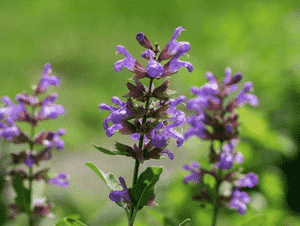
For optimal results, relocate common sage in the initial to middle stages of spring, when elevated temperatures and damp earth foster swift development. Select a bright, adequately drained spot. During the transplanting process, carefully separate the roots to aid in their settling. Enjoy your gardening!
Preparations for Transplanting Common Sage
Optimal Timing for Common Sage Transplant
Relocate common sage ideally during the vibrant period of early to mid-spring. This timeframe is perfect for revitalization, offering the developing plant prime conditions for abundant growth. By planting common sage then, you leverage spring's excellent growth potential, maximizing chances for a plentiful yield.
Required Spacing Between Common Sage Plants
An excellent spacing for common sage transplantation is approximately 18-24 inches (45-60 cm) apart. This ensures each plant has ample room to expand and flourish.
Best Soil Blend for Common Sage Transplant
For common sage, utilize well-draining soil with a pH of 6-7. Incorporate some organic compost as a foundational fertilizer to enrich the soil and encourage robust development.
Ideal Location for Your Common Sage
Select a garden spot that receives ample sunlight, as common sage thrives in full sun. At least 6-8 hours of direct sunlight daily is perfect for these perennial plants to prosper.
Equipment Needed Before Transplanting Common Sage
Gardening Gloves
These will safeguard your hands while handling soil and plants.
Shovel or Spade
These are crucial for extracting your common sage plant from its initial spot.
Trowel
An essential implement for excavating the hole where common sage will be placed.
Watering Can or Hose
Necessary for hydrating the plant during the relocation process.
Organic Compost
This will assist the plant's recovery post-transplant.
Mulch
Protects the root system, retains moisture, and inhibits weed growth.
Garden Pruners
For trimming the plant, if needed, to manage its size and remove unhealthy sections.
How to Extract Common Sage from the Soil
How to Extract Common Sage from the Soil
From Ground: First, water the common sage plant to moisten the soil, which facilitates easier removal and keeps the root ball intact. Use a shovel or spade to dig a wide trench around the plant. Ensure you dig sufficiently deep to avoid damaging the root system. Carefully lift the plant from its original location, striving to keep as much of the root ball and surrounding soil undisturbed as possible.From Pot: Hydrate the plant before commencing the transplanting process. Invert the pot while gently holding your hand over the soil surface with the common sage stem between your fingers. Tap the pot's bottom to loosen the root ball, then carefully remove the plant from the container.From Seedling Tray: Fill a small pot with potting mix and create a hole in the center. Gently lift each common sage seedling by its leaves and place it in the hole. Backfill with soil and press down lightly.
Step-by-Step Guide for Transplanting Common Sage
Preparation
Dig a hole twice the width of the root ball and of equal depth. Keep the excavated soil to one side.
Planting
Position the common sage in the center of the hole with the top of the root ball level with the garden surface. Carefully backfill around the root ball with the removed soil, and gently firm it. Ensure no roots are visible on the surface.
Fertilizing
Apply a layer of organic compost around the plant's base, making sure it does not directly touch the stem.
Watering
Water thoroughly after transplanting. Moisture is vital for the plant's roots to establish good contact with the new soil.
Mulching
Once the plant is watered, apply mulch around its base to conserve moisture and suppress weeds that might compete for nutrients.
Post-Transplant Care for Common Sage
Routine Maintenance
Monitor your newly transplanted common sage closely. New growth indicates a successful transplant.
Watering
Maintain consistent soil moisture, but prevent overwatering. Excessive water can lead to root rot.
Pruning
During the subsequent growth season, lightly prune the plant to encourage bushier growth and help it support the weight of its foliage.
Companion Planting
Consider planting common sage near plants with similar care requirements, such as rosemary or thyme. This creates an attractive arrangement and ensures all plants receive appropriate care.
Troubleshooting Common Issues with Common Sage Transplantation
When is the best time to transplant common sage?
Transplant your common sage from early to mid-spring. This period allows the plant to establish itself before the summer heat.
What spacing is recommended when transplanting common sage?
Aim for a spacing of approximately 18-24 inches (45-61 cm). Adequate space promotes healthy development and optimal air circulation around your plant.
What if my transplanted common sage isn't thriving?
Verify the plant's location. Common sage needs full sun and well-drained soil. If conditions are unsuitable, consider moving the plant. Also, ensure regular watering.
How much water does a newly transplanted common sage require?
Common sage doesn't need excessive water. Water the soil thoroughly after transplanting, then keep it slightly moist. Avoid over-watering to prevent root rot.
Why are the leaves of my transplanted common sage turning yellow?
Yellow leaves might signal overwatering or insufficient light. Ensure your common sage is in a sunny spot and avoid waterlogging the soil.
Is it necessary to add compost when transplanting common sage?
While not essential, incorporating compost into the hole before transplanting common sage can supply nutrients and enhance soil structure, fostering better growth.
Should I prune common sage after transplanting?
Give your common sage a light trim after transplanting to help it focus on root development. It also aids in maintaining a compact, bushy form.
Why is my common sage wilting after transplant?
Some wilting is normal immediately after transplant. However, persistent wilting could be due to transplant shock, overwatering, or hot weather. Ensure proper care and patience.
How deep should the hole be when transplanting common sage?
The hole should be twice the size of the root ball. This provides ample space for the roots to spread and become established.
What type of soil is ideal for common sage during transplanting?
Common sage prefers well-draining soil with a pH between 6.0 and 7.0. Ideally, enrich the soil with compost or organic matter prior to transplant.



