How to Transplant Baby sage?
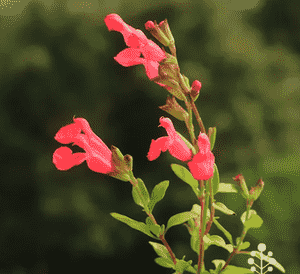
The optimal period for relocating young sage plants is from mid-spring to early summer, since the elevated temperatures foster robust root development. Select a site featuring soil that drains effectively and receives abundant sunlight. Ensure sufficient spacing between plants, providing ample area for their expansion.
Essential Preparations Before Relocating Baby Sage
Optimal Period for Transplanting Baby Sage?
The best time to move baby sage is from mid-spring to early summer, a vibrant growth phase. This timeframe is chosen because baby sage's roots establish firmly, absorbing nutrients efficiently due to ideal soil temperatures. Abundant daylight also supports photosynthesis, promoting vigorous, healthy development. Successful transplanting during this window ensures strong growth.
Recommended Spacing Between Baby Sage Plants?
When moving baby sage, position them approximately 18-24 inches (45-60 cm) apart. This provides adequate room for growth and enhances air circulation, minimizing disease risk.
Ideal Soil Blend for Baby Sage Transplanting?
Select well-draining, loamy soil for baby sage, enriching it with compost for added nutrients. Prior to planting, incorporate a balanced granular fertilizer (such as 10-10-10) to give the plants a strong start.
Optimal Location for Your Baby Sage?
Find a sunny spot for your baby sage! These plants thrive in full sun but can endure light shade. Therefore, a location receiving at least 6 hours of direct sunlight daily will encourage robust growth and plentiful blooms.
Necessary Equipment for Baby Sage Transplantation
Gardening Gloves
To safeguard your hands while handling soil and the baby sage plant.
Trowel
For digging precise holes when transplanting baby sage.
Shovel
Used for extracting baby sage from its original location, especially if it's in the ground.
Watering Can
To hydrate the baby sage during and after the transplanting process.
Pruning Shears
To trim any dead or damaged foliage before relocating baby sage.
Wheelbarrow
If baby sage is large, a wheelbarrow may be necessary for transport.
Method for Extracting Baby Sage from the Soil
Method for Extracting Baby Sage from the Soil?
From Ground: Begin by thoroughly watering the baby sage to moisten the surrounding soil. Next, dig a wide trench around the plant with your shovel, being careful not to harm the root ball. Gently work your shovel beneath the root ball and gradually lift baby sage from its initial position. From Pot: If baby sage is in a pot, first water it well. Then, turn the pot sideways, hold the plant gently, and pull at the base. If it doesn't release easily, tap the pot's sides to loosen the soil and try again. From Seedling Tray: When transferring from a seedling tray, dampen the soil and carefully remove baby sage, ensuring you retain as much root and soil mass as possible. A small trowel will be useful for this.
Detailed Steps for Transplanting Baby Sage
Digging
Excavate a hole with your trowel in the chosen transplant site. The hole should be twice the width of baby sage's root mass and of equal depth.
Pre-placement
Position baby sage in the hole, ensuring it is level with the ground. If it sits too low, add some soil and adjust.
Placement
Once at the correct height, backfill the hole with soil, making sure baby sage is securely planted.
Watering
Use your watering can to generously water baby sage, ensuring it is thoroughly hydrated without becoming waterlogged.
Cleanup
Remove any excess soil and tidy the area by hand. Ensure the base of baby sage is clear of any accumulated debris.
Post-Transplantation Care for Baby Sage
Pruning
Remove any dead or damaged foliage from baby sage using your pruning shears. This helps the plant direct energy towards root development.
Watering
Water baby sage regularly, especially during dry periods. Be cautious not to overwater; baby sage should remain consistently moist but not saturated.
Viewing
Frequently inspect baby sage after transplanting to observe any changes. Look for new growth as an indicator that baby sage has adapted to its new location and is thriving.
Resolving Common Issues with Baby Sage Transplantation
When is the optimal time to transplant baby sage?
The best period to transplant baby sage is from mid-spring to early summer. This allows the plant ample time to establish before winter.
What is the ideal spacing for baby sage during transplanting?
Provide baby sage with sufficient room to grow by maintaining approximately 18-24 inches (45-60 cm) between each plant during the transplanting process.
Why is baby sage wilting after transplanting?
Baby sage may wilt post-transplant due to transplant shock. Keep it adequately watered but avoid overwatering. It should recover within a few days.
What type of soil does baby sage prefer for transplanting?
Baby sage favors well-draining soil. If the soil is too dense, consider amending it with perlite or sand to enhance drainage.
How do I ensure baby sage receives enough sunlight after transplanting?
Baby sage thrives in full sun to partial shade. Place the plant in an area that gets about 6-8 hours of sunlight daily.
Why are baby sage leaves turning yellow after transplanting?
Yellowing leaves can indicate overwatering or nutrient deficiency. Review your watering schedule and soil quality to correct the issue.
How often should I water baby sage after transplanting?
During the initial weeks after transplanting, keep baby sage consistently moist. Once established, baby sage is drought-tolerant and requires less frequent watering.
Is it necessary to fertilize baby sage after transplanting?
While not essential, you can provide baby sage with a slow-release, balanced fertilizer post-transplant to support healthy growth.
Can I transplant container-grown baby sage to the garden?
Absolutely! Just ensure to transplant it during the ideal season (mid-spring to early summer) and maintain the recommended spacing of 18-24 inches (45-60 cm).
How can I protect newly transplanted baby sage from pests?
Regularly check for pest signs. If detected early, many infestations can be managed using natural methods like manual removal or water sprays.



