How to Transplant Purple sage?
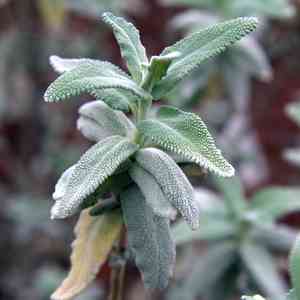
Select early to mid-spring for relocating purple sage, guaranteeing its prosperity in the upcoming cultivation period. Pick a brightly lit spot with soil that drains effectively and allow ample room for peak development.
What Preparations are Necessary Before Moving Purple Sage?
When is the Best Time to Relocate Purple Sage?
The optimal period for relocating purple sage is at the onset of spring. Planting purple sage during this season promotes vigorous development after winter's dormancy, ensuring strong establishment. A friendly reminder: this timely shift guarantees your purple sage will benefit from spring's nurturing touch, optimizing root growth and plant health for the season's bloom.
What is the Recommended Spacing Between Purple Sage Plants?
When relocating your purple sage, it's crucial to provide ample room for growth. Ensure each plant is spaced approximately 1-2 feet (30-60 cm) apart. This will allow them to expand and thrive.
What is the Ideal Soil Mixture for Purple Sage Relocation?
For your purple sage, prepare a soil that drains well and includes a base fertilizer to encourage strong growth. A sandy or loamy soil enriched with compost would be perfect. Incorporating a slow-release fertilizer can also support their nutritional requirements.
Where Should You Replant Your Purple Sage?
Consider sunlight when deciding where to replant your purple sage. Select a spot that receives full sun exposure for at least six hours daily. This will help your plants flourish and produce beautiful blooms.
What Tools Should You Prepare Before Relocating Purple Sage?
Gardening Gloves
These will safeguard your hands when working with soil and plants, and handling tools such as a gardening trowel or hand fork.
Gardening Trowel
An essential tool for planting purple sage, as it simplifies digging holes and moving soil without harming the plant.
Hand Fork
Utilize this to gently loosen the soil and remove any weeds surrounding the plant.
Watering Can
Required for hydrating the plant before and after relocation.
Gardening Apron
Useful for carrying all necessary tools, seeds, or seedlings.
Wheelbarrow
If the purple sage is a larger specimen, a wheelbarrow might be needed to transport the plant to its new location.
Mulch
Used to cover the soil surface around the purple sage after relocation to retain moisture and inhibit weed growth.
Compost
To enrich the soil in the new location before relocating the purple sage.
How Do You Extract Purple Sage from the Soil?
How Do You Extract Purple Sage from the Soil?
From Ground: Begin by watering the purple sage plant to moisten the surrounding soil. This can help prevent root damage during the process. Then, using a gardening trowel, dig a wide circle around the plant, ensuring the plant's root ball remains intact. Carefully slide the trowel beneath the root ball, lifting the purple sage out of the hole.From Pot: If the purple sage plant is in a pot, ensure it's watered first. Then, place your hand on top of the soil with the purple sage stem between your fingers. Invert the pot, tap gently to loosen the plant, then carefully guide the plant and its root ball out of the pot.From Seedling Tray: Water the purple sage seedlings in the tray and allow it to soak. Using a hand fork or your fingers, push the soil from below each cell of the seedling tray. The purple sage seedling should pop out. Handle it by its leaves, if necessary, never by the stem.
Step-by-Step Guide for Relocating Purple Sage
Digging
Using a gardening trowel, dig a hole in the prepared ground. The hole should be twice the diameter of the purple sage's root ball, and its depth should be just slightly more than the root ball's height.
Placement
Position the purple sage plant in the hole, ensuring the top of the root ball is level with the ground surface.
Backfilling
Refill the hole with the soil you removed, gently firming it around the root ball. It's crucial to eliminate air pockets as they can dehydrate the roots.
Watering
Thoroughly water the purple sage after relocation to establish good soil-to-root contact.
Mulching
Apply mulch around the plant without touching the stem. Mulch helps retain moisture and deters weed growth after relocation.
How Do You Care For Purple Sage After Relocation?
Consistent Care
Inspect the purple sage daily to ensure it receives adequate water, especially during the initial weeks after relocation. The soil should remain damp, but not waterlogged.
Protection
If the weather is very hot, consider using a shade cloth to shield the newly relocated purple sage during the first few days after moving.
Mulching
Mulch can dry out or decompose, so replenish it periodically to ensure moisture retention and weed control.
Monitoring
Watch for any pests or diseases that could harm the purple sage. If you notice anything unusual, consult a gardening expert or seek information online.
Troubleshooting Common Issues with Purple Sage Relocation.
What's the ideal time to relocate purple sage?
Relocate purple sage during the transitional seasons, between winter and spring, or between summer and autumn. This allows the plant sufficient time to establish roots before extreme temperatures.
How far apart should purple sage plants be spaced in the garden?
An optimal distance between two purple sage plants is 1-2 feet (30-61 cm). This provides ample space for growth while ensuring an attractive, dense appearance in your garden.
Why is my relocated purple sage wilting?
Wilting could be due to relocation shock. Purple sage may take time to adjust to its new environment. Provide ample water and initially avoid intense sun exposure.
How should I prepare the soil before relocating purple sage?
Ensure the soil drains well. Add compost for nutrients and keep the soil moist, but not saturated. A pH of 6.0-6.5 is perfect for purple sage.
Should I prune purple sage before relocating?
Absolutely! Pruning encourages vigorous growth. Before relocating, remove diseased or damaged stems and prune down to 1/3rd of the purple sage's original size.
How deeply should I be planting purple sage?
Position purple sage in the hole so the top of the rootball is at or slightly above ground level. Planting too deeply can lead to root rot.
The leaves of my relocated purple sage are turning yellow, why?
Yellowing leaves could indicate overwatering. Ensure your purple sage is in well-draining soil and avoid keeping it soggy. Adjust watering based on weather conditions.
Can I relocate my purple sage in full sun?
Yes, purple sage thrives in full sun. However, after being relocated, it could benefit from some shade for a few days to recover from the relocation shock.
How often should I water purple sage post-relocation?
Water your purple sage once on relocation day, then regularly, keeping the soil moist for the first couple of weeks. Reduce frequency once the plant appears established.
When will I see new growth on my relocated purple sage?
Generally, purple sage shows signs of new growth within 2-4 weeks post-relocation. However, initial growth focuses underground on the roots, so be patient.



