How to Transplant East asian sage?
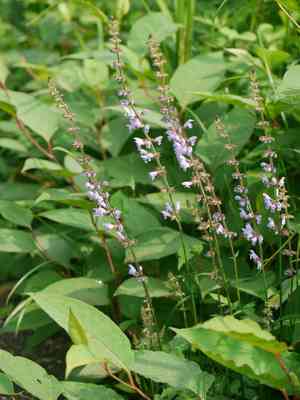
The spring equinox signifies an ideal time for transplanting east asian sage, as moderate temperatures and damp earth facilitate root development. Select a partially shaded spot with adequately draining ground, remembering the helpful advice to preserve soil integrity for seamless adaptation.
Essential Preparations Before Relocating East Asian Sage
Optimal Period for East Asian Sage Relocation?
The most favorable season to move your east asian sage is during the gentle onset of spring. This timeframe offers an ideal balance of moderate temperatures and sufficient moisture, promoting robust root development. Transplanting east asian sage at this point encourages vigorous growth, as the soil is adequately warm for root establishment, yet the intensity of summer heat has not yet arrived. This strategic timing allows your east asian sage to acclimate comfortably, ensuring a flourishing presence in your garden.
Recommended Spacing Between East Asian Sage Plants?
To allow east asian sage ample room to thrive, it's advisable to position each plant 2-3 feet (0.6-0.9 meters) apart. This provides sufficient space for expansion and prevents competition for nutrients and sunlight. Remember, patience and careful observation are key in gardening. Best of luck!
Ideal Soil Mixture for East Asian Sage Transplanting?
For east asian sage to flourish, prepare a well-draining soil foundation and incorporate organic compost as a nutrient source. This supplies vital nutrients and enhances soil texture. A neutral pH soil (pH 6.5-7.5) would be perfect. This step requires effort, but your dedication will undoubtedly yield rewards!
Optimal Location for Relocating Your East Asian Sage?
When selecting the perfect spot for east asian sage, keep in mind its preference for partial shade to full sun. An area receiving filtered sunlight or bright indirect light would be ideal. Understanding your garden's sun exposure patterns will help your plants prosper and enhance your gardening skills!
Equipment Needed Before Transplanting East Asian Sage
Gardening Gloves
To safeguard your hands from dirt and potential harm while handling the east asian sage plant.
Garden Spade or Shovel
For excavating the east asian sage plant from its original spot and creating a new hole in the ground.
Garden Fork
To loosen the soil around the east asian sage plant both before and after its removal.
Watering Can
To gently hydrate the east asian sage plant prior to and following transplantation.
Mulch
To cover the ground surrounding the east asian sage plant post-transplant, aiding in soil moisture retention and weed suppression.
Compost or Organic Matter
To enrich the soil structure and supply nutrients for the east asian sage plant.
Method for Removing East Asian Sage from Soil
Method for Removing East Asian Sage from Soil
From Ground: Initially, moisten the east asian sage plant's soil to facilitate digging. Using your garden spade or shovel, carefully excavate a wide trench around the plant, keeping the root ball intact. Loosen the soil with a garden fork and, working the spade beneath the root ball, gently lift the plant from the ground. Exercise caution to minimize root damage.From Pot: Water the potted east asian sage plant to soften the soil. Tilt the pot sideways, gently tap its sides to loosen the soil, and carefully slide the plant out. Use your hands to assist the plant's removal if necessary, applying gentle pressure around the root ball.From Seedling Tray: Dampen the soil around the east asian sage seedling, use a small tool or your finger to create a trench around it, then carefully lift the seedling, holding it by its leaves rather than the stem to prevent injury.
Step-by-Step Guide for Transplanting East Asian Sage
Removal
Execute the appropriate removal procedure based on the east asian sage plant's initial location. Be extra careful to minimize root damage.
Prepare New Site
Clear the new location of weeds and debris. Dig a hole twice as wide and the same depth as the east asian sage's root ball.
Planting
Position the east asian sage plant in the center of the hole, ensuring the top of the root ball is level with the soil surface. Backfill the hole with soil, applying gentle pressure around the plant's base.
Watering
Generously water the east asian sage plant, ensuring the soil is thoroughly saturated. Be careful to avoid waterlogging, which can lead to root rot.
Mulching
Apply a layer of mulch around the plant's base, but remember to keep it away from the east asian sage stem to prevent fungal diseases.
Post-Transplanting Care for East Asian Sage
Monitoring
Regularly observe your east asian sage plant. In the initial weeks after transplanting, the plant might show signs of transplant shock, such as wilting or leaf drop. This is normal and should subside once the plant adjusts to its new environment.
Nourishment
Approximately one month after transplanting, once the east asian sage plant has fully acclimated to its new spot, you can begin a consistent feeding regimen with a balanced plant food. Always adhere to the package instructions for correct quantities and application.
Weather Protection
Transplants are susceptible to harsh weather. Shield your east asian sage from extreme conditions by providing temporary cover during intense sun, wind, or rain. Implement measures like shading, windbreaks, or cloches.
Addressing Common Issues with East Asian Sage Transplantation.
When is the best time to transplant east asian sage?
The optimal period for transplanting east asian sage is during the S1-S3 seasons, which provide ideal conditions for its growth.
What is the recommended spacing for east asian sage?
For healthy development and ample room, east asian sage should be spaced 2-3 feet (60-90 cm) apart. This prevents competition for resources.
How deep should the hole be when transplanting east asian sage?
Excavate a hole that is approximately twice the diameter of east asian sage's current container and of equal depth. This will provide sufficient space for growth.
What type of soil is best for east asian sage?
East asian sage thrives in well-draining soil. If the soil retains too much moisture, consider incorporating compost or sand to enhance drainage.
How much should I water east asian sage after transplanting?
Immediately after transplanting east asian sage, water it thoroughly. Subsequently, maintain consistently moist soil but avoid saturation to prevent root rot.
Why are east asian sage's leaves turning yellow after transplanting?
Yellowing leaves can indicate stress from relocation. Allow east asian sage time to adapt; if the problem persists, review watering, sunlight, and soil conditions.
Can east asian sage experience shock during transplanting?
Yes, plants like east asian sage can undergo transplant shock, displaying wilting or yellowing. Proper watering and a partially shaded location can aid in easing the transition.
What if east asian sage doesn't seem to grow after being transplanted?
Don't be concerned, east asian sage may be prioritizing root development initially. If no signs of growth appear after several weeks, check water, sunlight, and soil conditions.
How should I handle east asian sage during transplanting?
Handle east asian sage gently during transplant to avoid root damage. Lift it by the root ball or pot, not by the stem or foliage.
How to care for east asian sage after transplanting?
Maintain consistent watering, protect from intense sunlight, and fertilize with a balanced plant food. Watch for signs of stress and adjust care as needed.



