How to Transplant Mealycup sage?
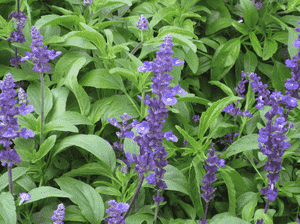
Salvia farinacea flourishes when relocated in the initial to middle stages of spring, as temperatures start to ascend, providing a new and favorable setting. Select a site with ample sunlight, guaranteeing soil that drains effectively and plants that are adequately spaced. Ensure consistent watering following transplantation to facilitate optimal rooting and development.
What Preparations are Needed Before Transplanting Mealycup Sage?
What is the Ideal Time for Transplanting Mealycup Sage?
Begin relocating mealycup sage from early spring through mid-spring. This timeframe promotes vigorous growth as mealycup sage thrives in spring temperatures. Additionally, spring rainfall aids healthy root development, reducing your watering efforts. Thus, early spring is optimal for mealycup sage, leading to beautiful, flourishing plants.
How Much Space Should You Leave Between Mealycup Sage Plants?
To ensure your mealycup sage flourishes, provide approximately 18-24 inches (45-60 cm) of space between each plant. This allows ample room for growth and proper nutrient absorption from the soil.
What is the Best Soil Mix for Mealycup Sage Transplanting?
For mealycup sage, well-drained soil with a pH between 6.0-7.0 is perfect. Enhance the soil's nutritional content by incorporating organic compost or aged manure as a foundational fertilizer before transplanting.
Where Should You Relocate Your Mealycup Sage?
When selecting a new spot for your mealycup sage, choose a location that receives full sun exposure. This means the area should get at least 6 hours of direct sunlight daily to foster strong and healthy plant development.
What Equipments Should You Prepare Before Transplantation Mealycup Sage?
Gardening Gloves
To safeguard your hands while handling soil and the mealycup sage plant.
Trowel
For excavating small holes and carefully extracting the plant from its initial spot.
Shovel or Spade
To dig larger holes in the ground for relocating the mealycup sage plant.
Watering Can or Hose
To hydrate the plant both before and after its relocation.
Organic Compost or Fertilizer
To supply essential nutrients to the plant post-transplantation.
How Do You Remove Mealycup Sage from the Soil?
How Do You Remove Mealycup Sage from the Soil?
From Ground: First, moisten the mealycup sage plant's soil. Then, use a shovel or spade to dig a wide trench around the plant, ensuring the root ball remains intact. Carefully work the spade beneath the root ball to lift the plant from its original position.From Pot: Thoroughly water the mealycup sage plant in its container. Turn the pot on its side and gently tap its edges to loosen the soil. Carefully extract the plant and its root ball from the pot, keeping the root system undisturbed.From Seedling Tray: Water the mealycup sage seedlings to moisten the soil. Use a trowel or your fingers to gently lift the seedlings from their cells, being careful not to harm their delicate roots.
Step-by-Step Guide for Transplanting Mealycup Sage
Digging the Hole
Use a shovel or spade to create a hole twice the width and slightly deeper than the mealycup sage plant's root ball. Place a layer of compost or organic fertilizer at the bottom of the hole.
Placing the Plant
Gently lower the mealycup sage plant into the hole, ensuring the root ball rests on the compost layer. Position the plant at the same depth it was growing in its previous location.
Backfilling
Refill the hole with soil, gently compacting it around the root ball to eliminate any air pockets. Water the plant to help the soil settle.
Mulching
Apply a 2-3 inch layer of mulch around the base of the mealycup sage plant to help retain moisture and stabilize soil temperature.
How Do You Care For Mealycup Sage After Transplanting?
Watering
Maintain consistently moist, but not waterlogged, soil around the mealycup sage for the initial few weeks post-transplant to encourage strong root establishment.
Pruning
Pinch or snip off faded flower spikes to promote new blooms and maintain a compact form.
Fertilizing
Apply a balanced organic fertilizer monthly during the growing season to support vigorous growth and flowering.
Pest Control
Monitor for pests like aphids or whiteflies, and treat with insecticidal soap or neem oil if necessary.
Troubleshooting Common Issues with Mealycup Sage Transplantation.
When's the perfect time to transplant mealycup sage?
The ideal period to plant mealycup sage is from early to mid-spring once your garden has begun to warm.
What's the ideal spacing for transplanting mealycup sage?
Mealycup sage requires ample room to thrive. Ensure each plant is 18-24 inches (45-60 cm) from its neighbor.
Should the soil be damp when transplanting mealycup sage?
Absolutely, mealycup sage prefers moist soil. Be sure to thoroughly water the soil several hours before transplanting.
How deep should I plant mealycup sage in the soil?
Mealycup sage should be planted at the same depth it was in its original container. Leveling the soil around it ensures good root contact.
Should mealycup sage receive full sun after transplantation?
Yes, mealycup sage thrives in sunlight! It grows best in a spot where it can get full sun for at least 6-8 hours daily.
How often should I water transplanted mealycup sage?
Mealycup sage generally needs watering once a week. However, ensure the soil is dry to the touch before re-watering.
Do transplanted mealycup sage need some kind of support?
Mealycup sage is robust and typically doesn't require support. Yet, if exposed to strong winds, a stake can be beneficial.
Can I fertilize mealycup sage right after transplanting?
It's advisable to wait a few weeks before fertilizing transplanted mealycup sage to prevent shock and allow it to acclimate.
Is there a problem if leaves of my transplanted mealycup sage start wilting?
Yes, wilting leaves can signal transplant shock. Reduce sun exposure and keep the soil moist to aid the plant's recovery.
Can I transplant mealycup sage indoors?
Mealycup sage can be moved indoors, but ensure it receives ample sunlight and the room temperature stays around 65-70°F (18-21°C).



